

Israeli Couscous Pilaf
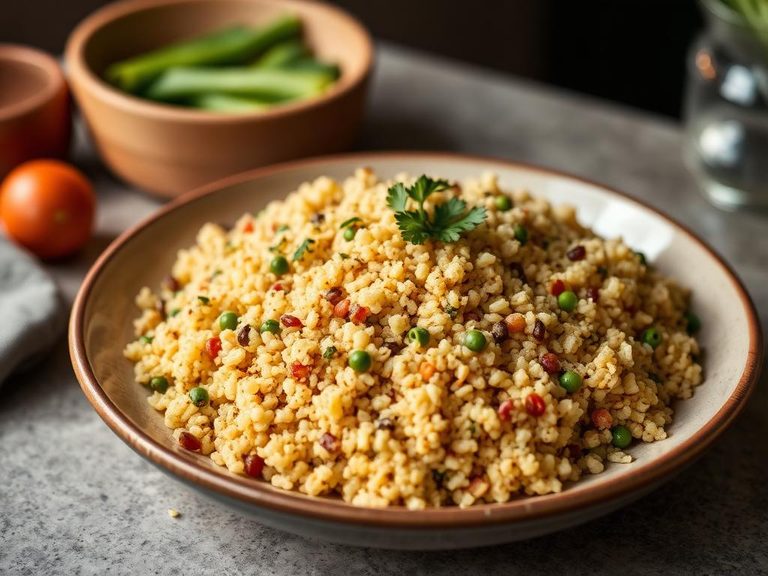
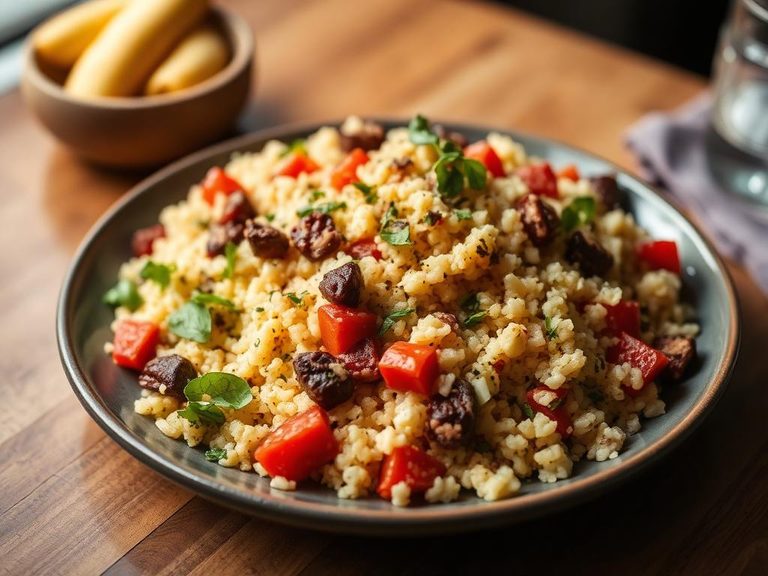
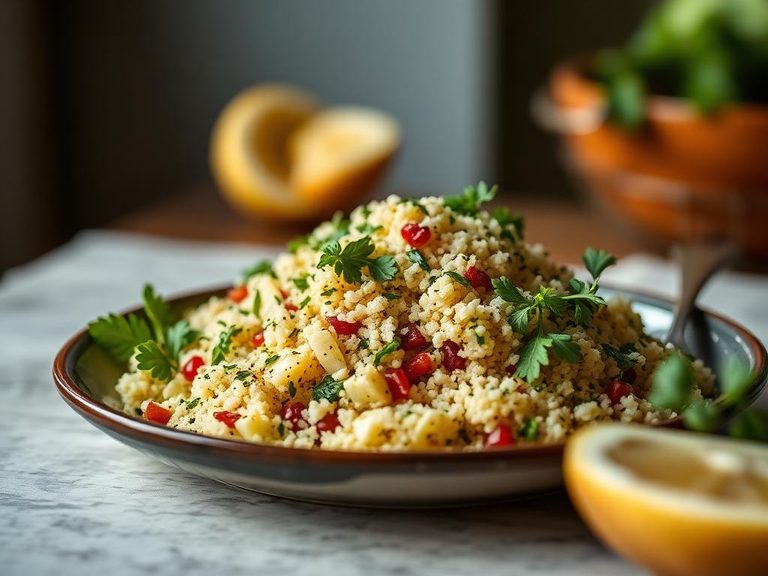
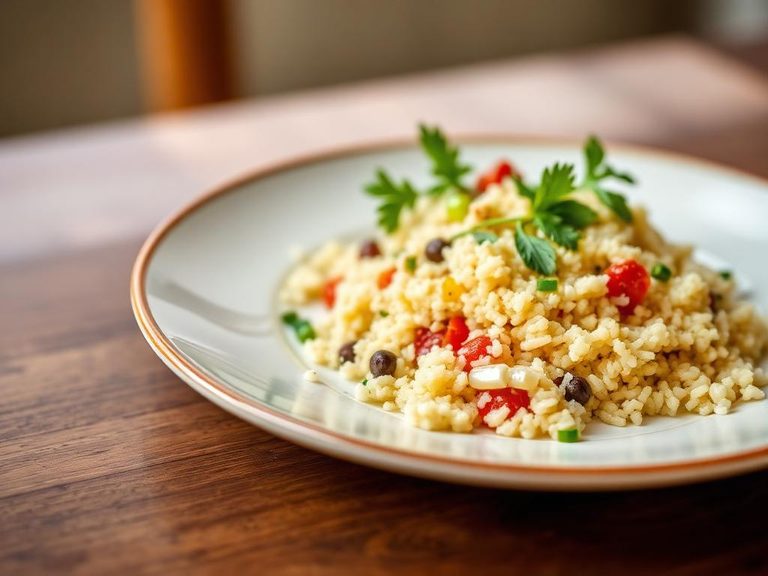
Israeli Couscous Pilaf is a flavorful dish centered around pearl couscous, small toasted pasta balls, which are simmered in broth and often mixed with vegetables, herbs, and spices. Originating from Israel, it's a staple in Middle Eastern cuisine, commonly featuring ingredients like olive oil, onions, garlic, and sometimes chickpeas or dried fruits. The dish is known for its light, fluffy texture and versatile, savory profile.
🍽️ Nutrition at a glance
This dish is primarily high in carbohydrates from the couscous, with a moderate amount of fat if cooked with olive oil or other oils, and can be a good source of protein if legumes or meat are added. Key nutrients include fiber, iron, and B vitamins, with a typical serving containing around 300-400 calories, depending on preparation and additions.
Nutrition breakdown
| Calories | 280 kcal |
| Protein | 8 g |
| Carbs | 52 g |
| Fat | 4.5 g |
| Fiber | 4 g |
| Sugar | 3 g |
| Sodium | 450 mg |
| Iron | 2.5 mg |
| Magnesium | 45 mg |
| Phosphorus | 120 mg |
| Potassium | 200 mg |
| Zinc | 1.5 mg |
| Folate | 80 µg |
| Thiamin (B1) | 0.2 mg |
| Selenium | 15 µg |
Per 1 cup (180 g) · estimated, varies by recipe
💡 What's interesting
Israeli couscous, also known as 'ptitim' or 'pearl couscous,' was actually invented in Israel in the 1950s as a rice substitute during austerity periods, making it a modern culinary innovation with historical roots. Nutritionally, it offers a satisfying, energy-dense base that pairs well with a variety of flavors, from fresh herbs to warm spices like cumin or cinnamon, reflecting the diverse influences of Israeli cuisine.
🍽️ Related dishes


AI estimate may be inaccurate · Terms