Homemade baby food blending
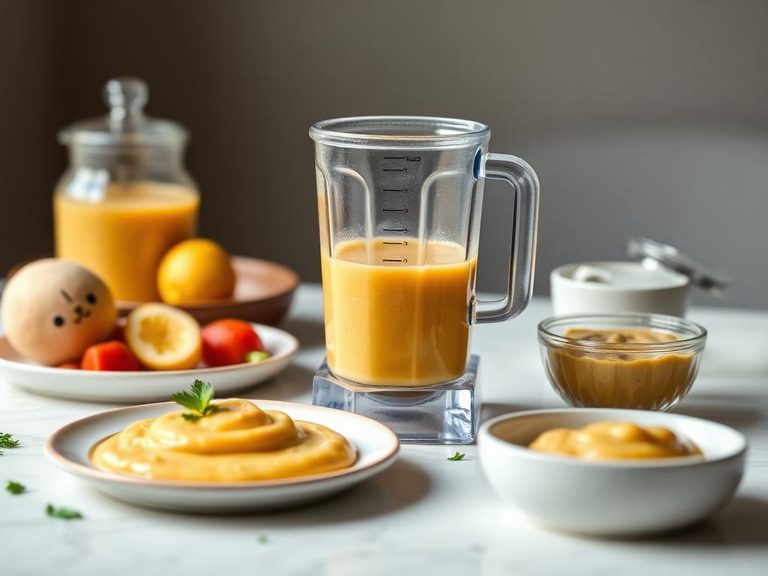
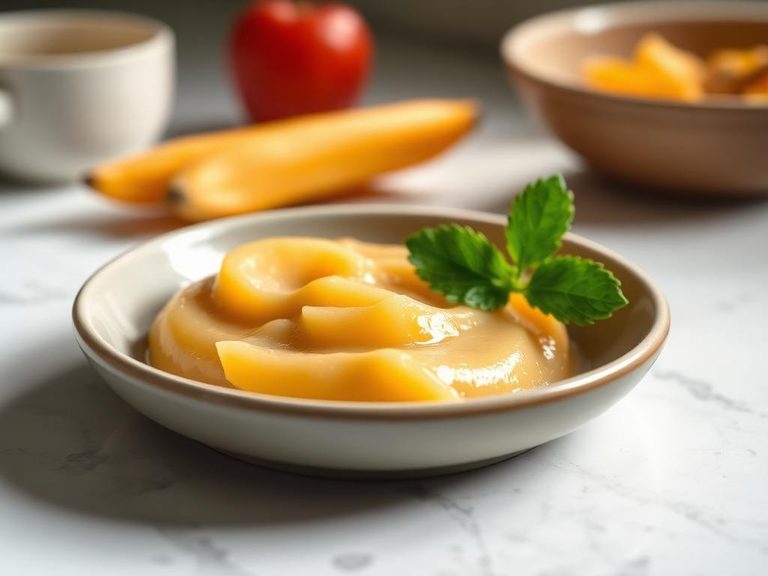
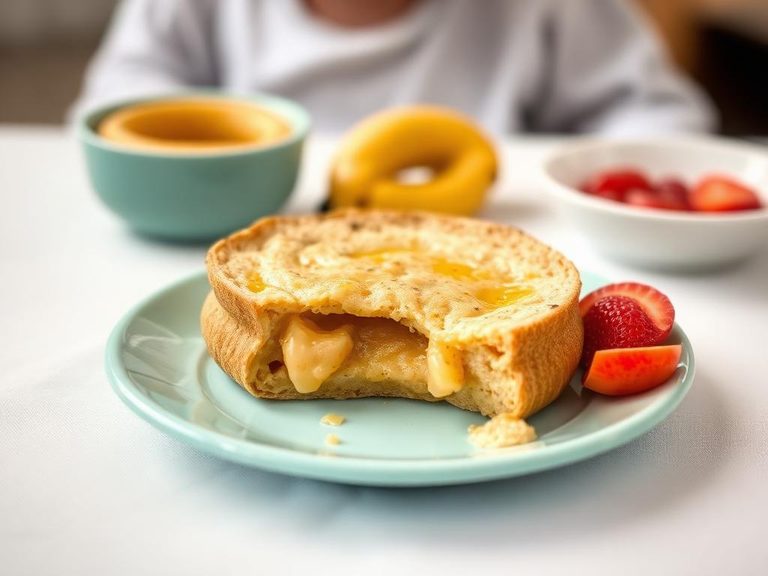
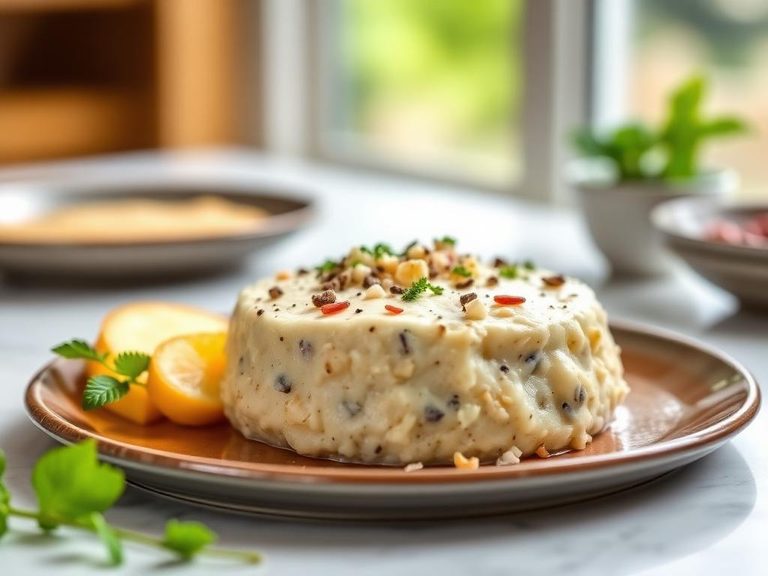
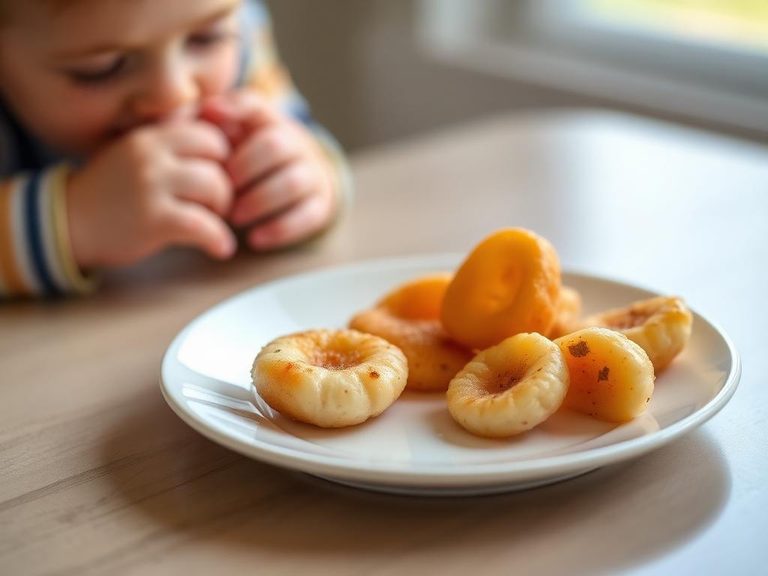
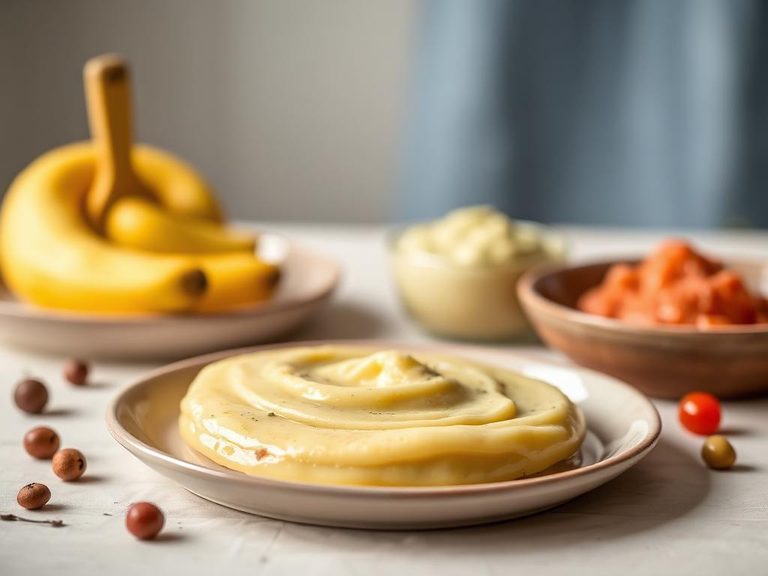
Homemade baby food blending is the process of preparing fresh, age-appropriate meals for infants by pureeing or mashing whole foods. It typically starts with simple single-ingredient purees like sweet potato, carrot, or pear, and progresses to mixed combinations as the baby grows. This practice is a global tradition, with parents in every culture adapting local staples for their little ones.
🍽️ Nutrition at a glance
The nutrition varies widely based on the ingredients used, but it is generally nutrient-dense, providing essential vitamins and minerals without added sugars or salts. A typical single-ingredient serving might range from 50 to 100 calories, focusing on easily digestible carbohydrates, natural sugars, and small amounts of protein or healthy fats.
Nutrition breakdown
| Calories | 80 kcal |
| Protein | 1.5 g |
| Carbs | 18 g |
| Fat | 0.5 g |
| Fiber | 3 g |
| Sugar | 8 g |
| Sodium | 15 mg |
| Vitamin A | 450 mcg RAE |
| Vitamin C | 15 mg |
| Potassium | 300 mg |
| Iron | 1 mg |
| Calcium | 30 mg |
| Vitamin B6 | 0.2 mg |
| Magnesium | 25 mg |
| Folate | 20 mcg |
Per 1/2 cup (120 g) · estimated, varies by recipe
💡 What's interesting
Making baby food at home allows parents to introduce a wide variety of flavors and textures early on, which can help develop a child's palate and reduce picky eating. Nutritionally, it often retains more of the food's natural vitamins and fiber compared to some commercial options.