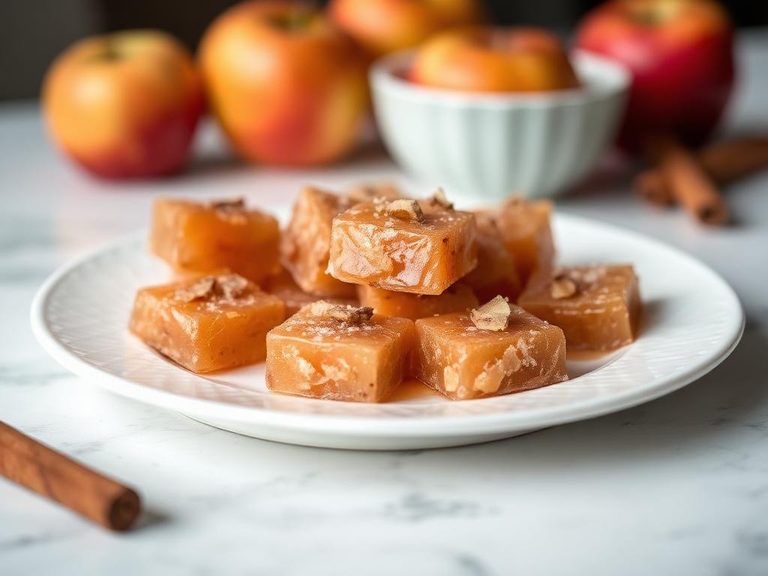
Gummy Candy Base
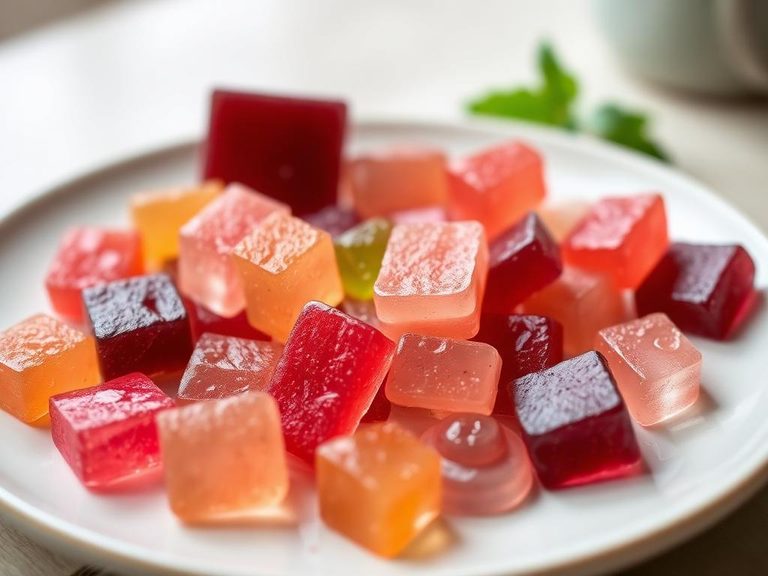
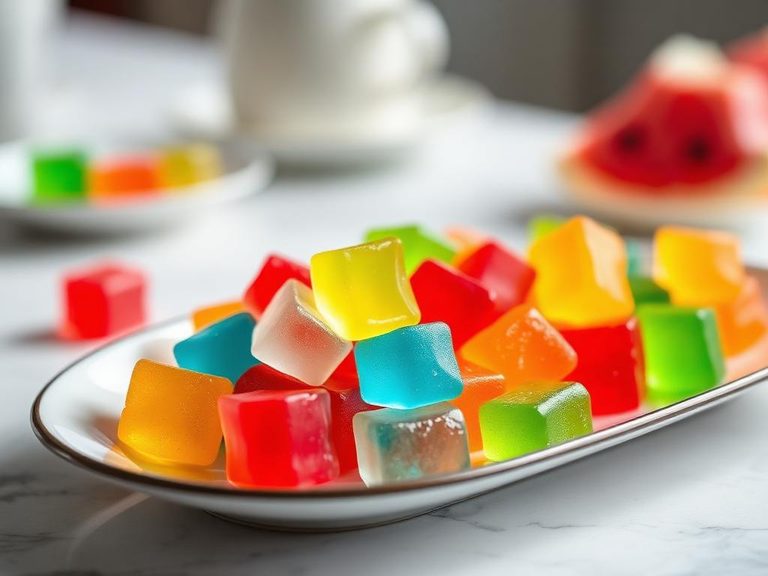
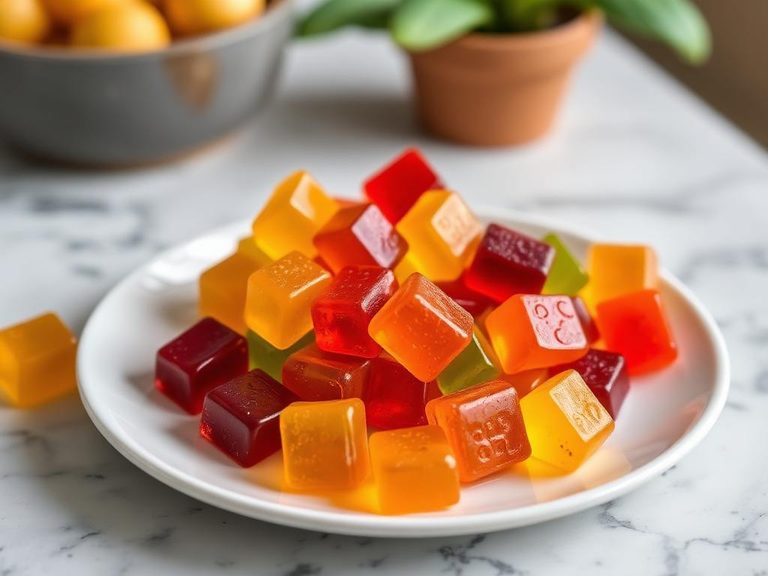
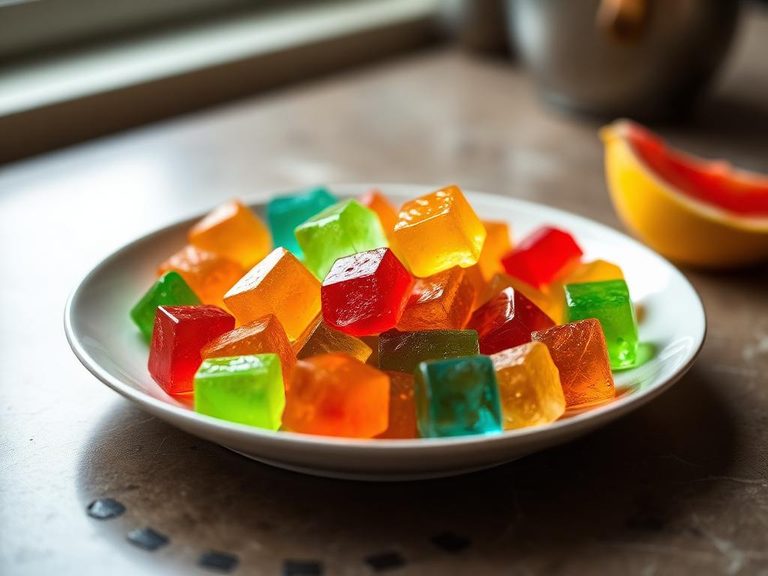
Gummy candy base is the foundational, gelatinous mixture used to create a wide variety of gummy sweets, from bears to worms. Its core ingredients typically include a gelling agent like gelatin or pectin, sugar or corn syrup for sweetness and texture, and water, with flavorings and colorings added later. While its exact origin is tied to the development of modern confectionery in 19th-century Europe and America, it is now a global staple in candy manufacturing.
🍽️ Nutrition at a glance
This base is very high in simple carbohydrates (sugar) and provides virtually no protein, fat, or essential vitamins and minerals. Its primary nutritional contribution is quick energy from calories, with a typical serving (about 30g) containing roughly 100 calories.
Nutrition breakdown
| Calories | 870 kcal |
| Protein | 0.5 g |
| Carbs | 210 g |
| Fat | 0 g |
| Fiber | 0 g |
| Sugar | 180 g |
| Sodium | 50 mg |
| Potassium | 20 mg |
| Calcium | 10 mg |
| Iron | 0.2 mg |
| Magnesium | 5 mg |
| Phosphorus | 10 mg |
| Zinc | 0.1 mg |
| Copper | 0.05 mg |
| Manganese | 0.1 mg |
Per 1 cup (240 g) · estimated, varies by recipe
💡 What's interesting
The magic of the gummy base lies in its gelling agent—traditionally animal-derived gelatin, which gives that classic chewy bounce, but increasingly plant-based alternatives like pectin for vegan options. Nutritionally, it's a pure 'fun food' with no significant health benefits, celebrated more for its playful texture and role in treats than for any nutritional value.