

German Schweinebraten
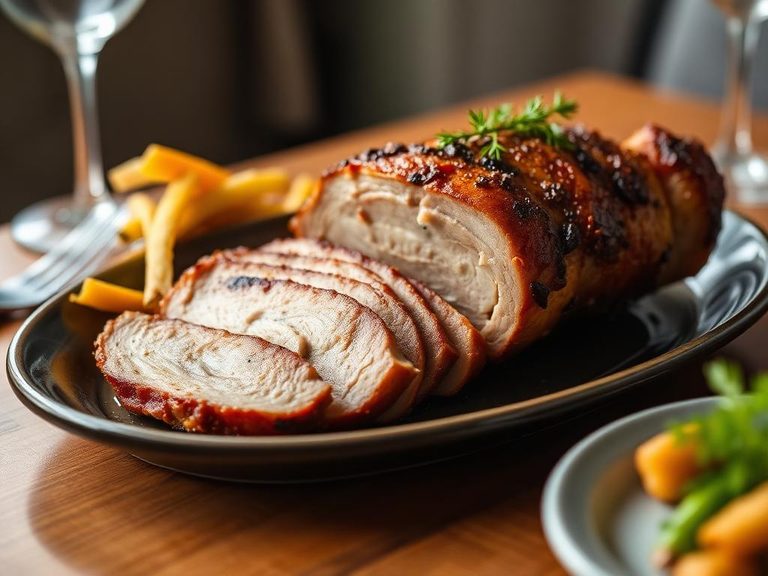
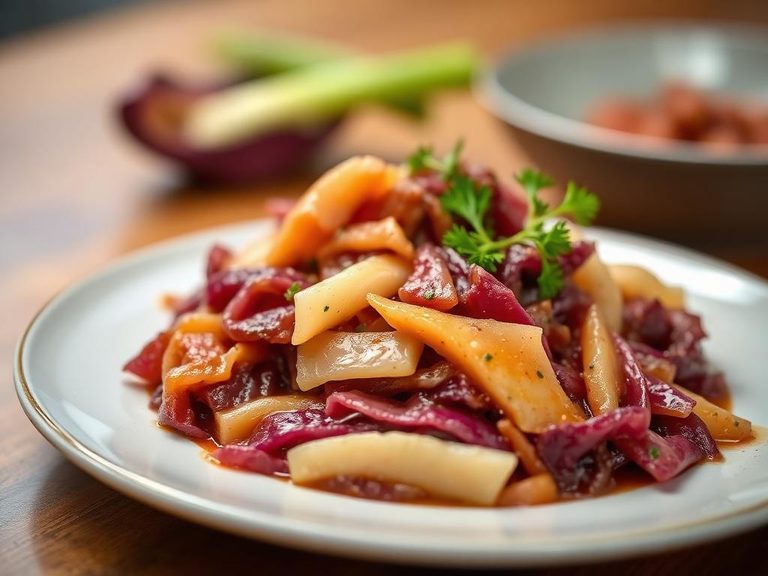
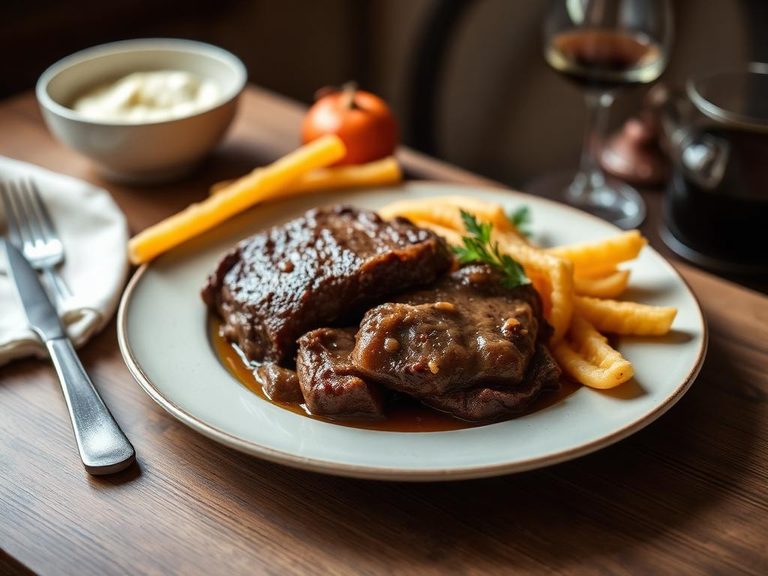
German Schweinebraten is a traditional, hearty roast pork dish, typically made from pork shoulder or loin, seasoned with caraway seeds, marjoram, and garlic, and slow-roasted until tender. It is a cornerstone of Bavarian and Swabian cuisine, often served with rich brown gravy, potato dumplings (Knödel), and red cabbage.
🍳 View the full German Schweinebraten recipe →
🍽️ Nutrition at a glance
This dish is high in protein and fat, providing a substantial amount of B vitamins (especially B12 and niacin), zinc, and selenium. A typical serving can range from 400 to 600 calories, depending on the cut of meat and the amount of gravy.
Nutrition breakdown
| Calories | 450 kcal |
| Protein | 35 g |
| Carbs | 8 g |
| Fat | 30 g |
| Fiber | 1 g |
| Sugar | 2 g |
| Sodium | 800 mg |
| Potassium | 450 mg |
| Phosphorus | 300 mg |
| Zinc | 4 mg |
| Iron | 2 mg |
| Niacin (B3) | 10 mg |
| Vitamin B6 | 0.6 mg |
| Vitamin B12 | 1.5 mcg |
| Selenium | 40 mcg |
Per 1 serving (200 g) · estimated, varies by recipe
💡 What's interesting
Culturally, Schweinebraten is a centerpiece of German beer hall fare and festive gatherings, embodying the concept of 'Gemütlichkeit'—a feeling of warmth, friendliness, and good cheer. Nutritionally, the slow-roasting process helps break down connective tissue, making the protein more digestible while rendering some of the fat, which contributes to its succulent texture.
🍽️ Related dishes

AI estimate may be inaccurate · Terms