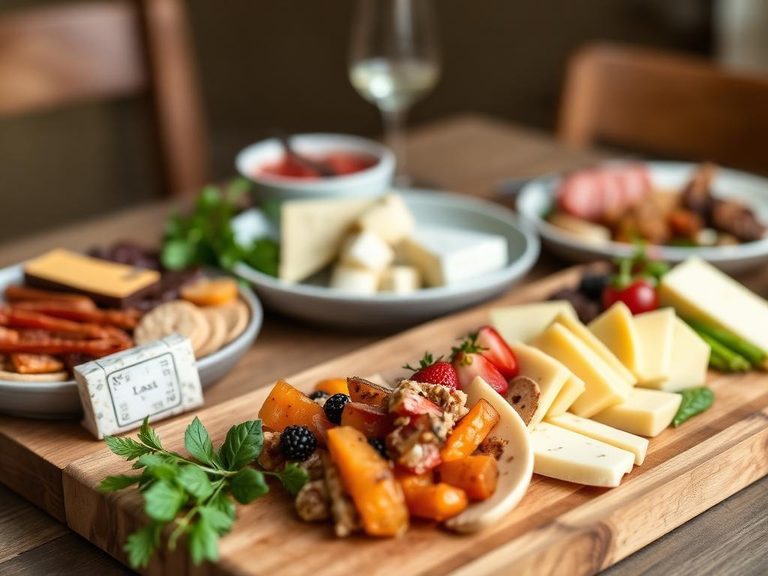
Charcuterie board sweet element
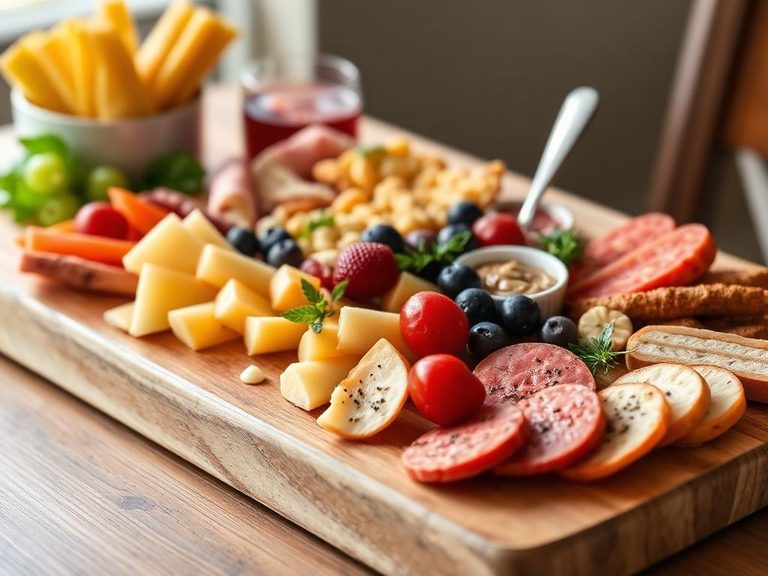
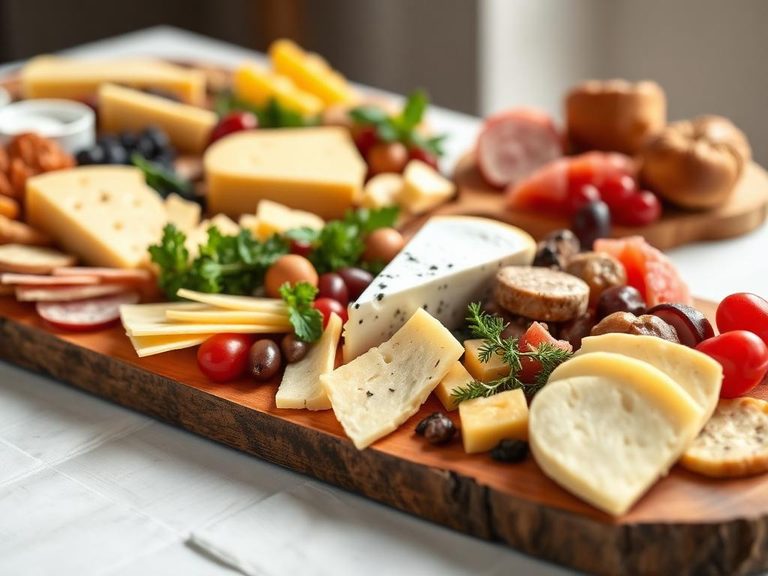
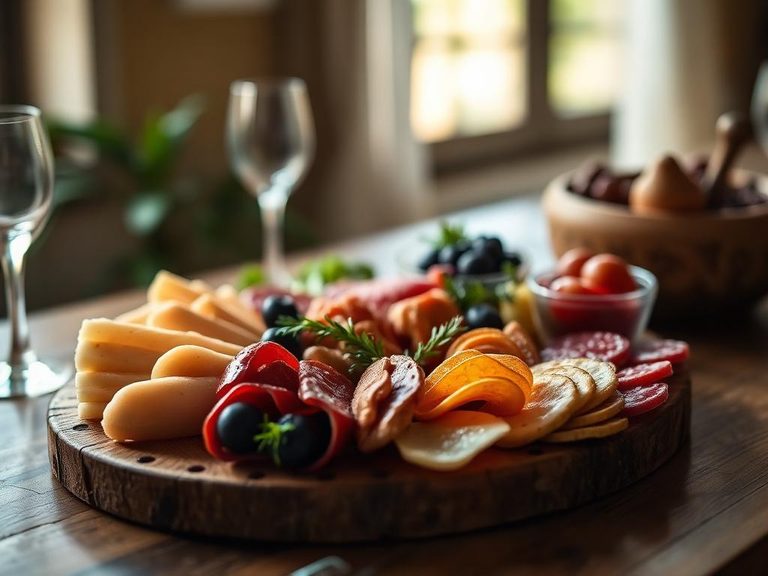
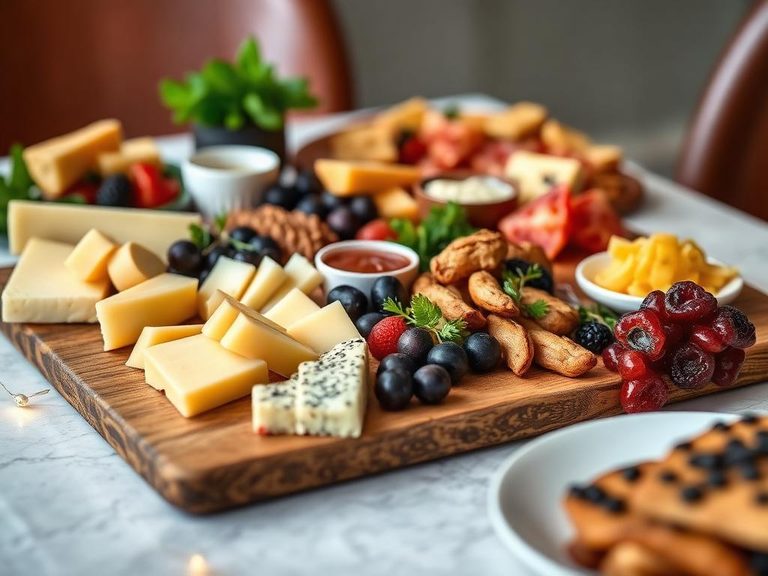
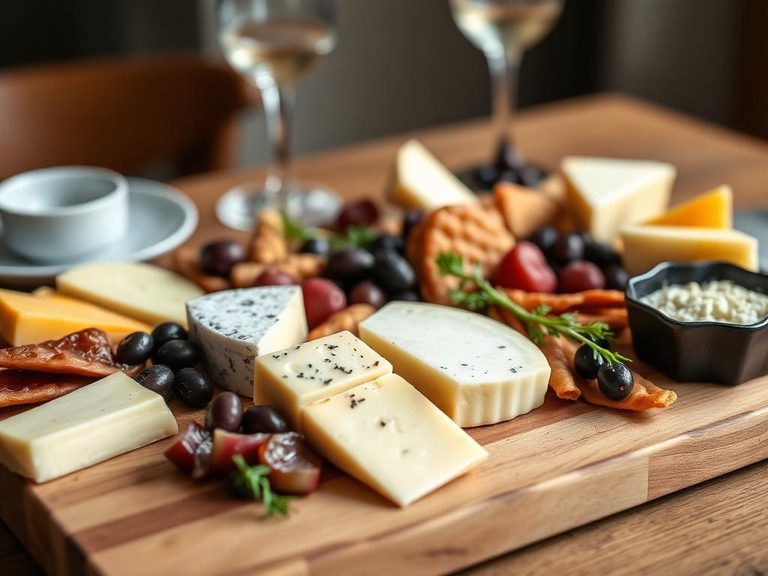
A charcuterie board's sweet element refers to the fruit preserves, honey, or fresh fruits that accompany cured meats and cheeses. Common ingredients include fig jam, honeycomb, fresh grapes, or dried apricots, designed to balance the board's salty and savory flavors. This concept is a modern evolution of the traditional European charcuterie platter, popularized globally through social media and culinary trends.
🍽️ Nutrition at a glance
These sweet components are typically high in natural sugars and carbohydrates, providing quick energy. They offer minimal protein and fat but can contribute small amounts of fiber and antioxidants, with a calorie range of 50-150 kcal per typical serving depending on the specific item.
Nutrition breakdown
| Calories | 100 kcal |
| Protein | 0.2 g |
| Carbs | 25 g |
| Fat | 0.1 g |
| Fiber | 1.2 g |
| Sugar | 22 g |
| Sodium | 5 mg |
| Potassium | 65 mg |
| Iron | 0.3 mg |
| Magnesium | 5 mg |
| Vitamin C | 2 mg |
| Calcium | 15 mg |
| Manganese | 0.1 mg |
Per 2 tablespoons (40 g) fig jam · estimated, varies by recipe
💡 What's interesting
Culturally, the sweet element transforms charcuterie from a simple meat platter into a balanced, interactive dining experience, reflecting the French culinary principle of contrasting flavors. Nutritionally, pairing sugary items with protein-rich meats and cheeses can help moderate blood sugar spikes compared to consuming sweets alone.