

Candied peel in stollen

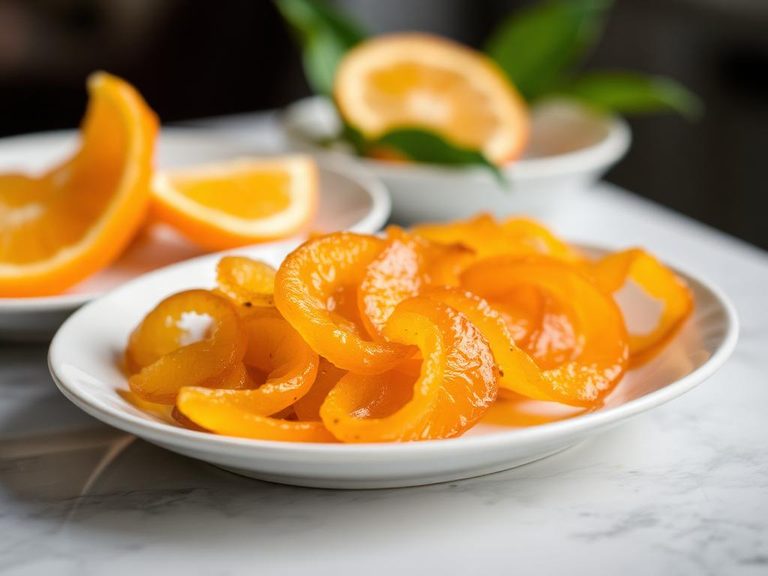
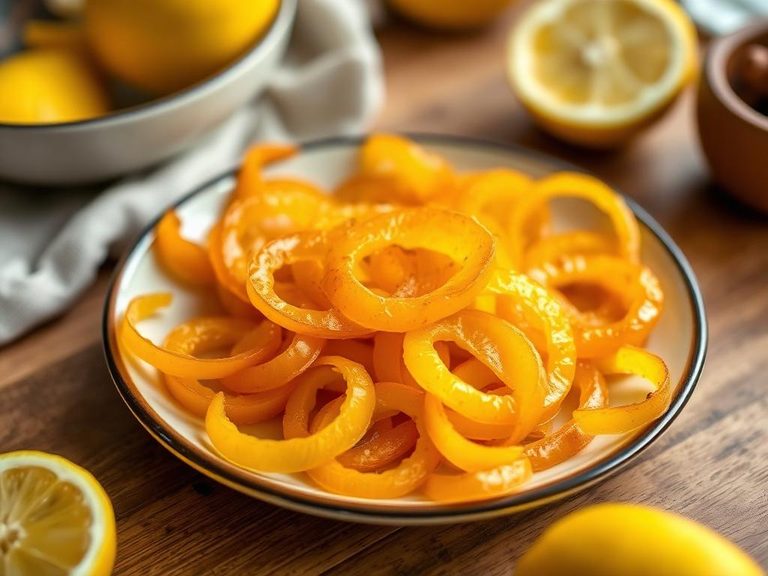
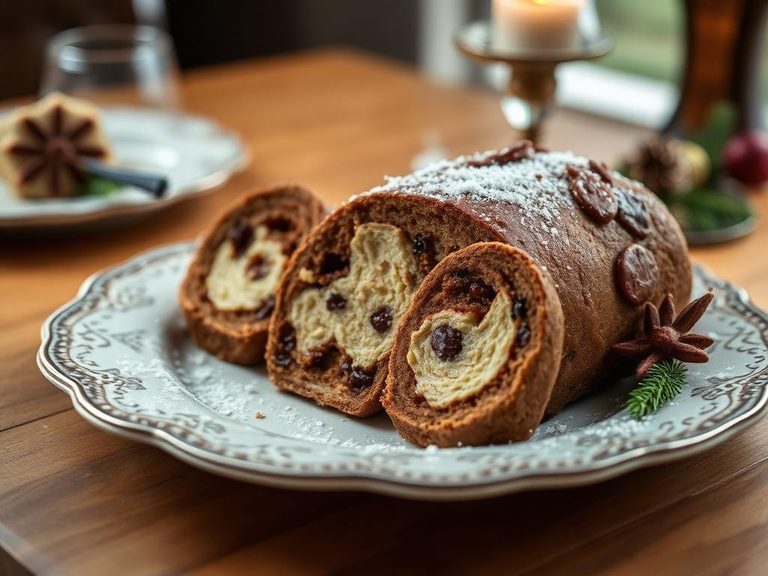
Candied peel in stollen refers to the sweetened, dried citrus peel (typically orange or lemon) that is a key ingredient in the traditional German Christmas bread, Stollen. The peel is made by preserving fruit rinds in a sugar syrup, which are then chopped and folded into the rich, yeast-leavened dough along with dried fruits, nuts, and spices. This festive bread originates from Germany, particularly the regions of Dresden and Thuringia.
🍽️ Nutrition at a glance
Stollen is a calorie-dense, energy-rich food, primarily high in carbohydrates from sugar and flour, with a significant amount of fat from butter and marzipan. A typical serving provides a quick energy boost and small amounts of iron, potassium, and B vitamins from the enriched dough and dried fruits.
Nutrition breakdown
| Calories | 370 kcal |
| Protein | 5.5 g |
| Carbs | 50 g |
| Fat | 17 g |
| Fiber | 3 g |
| Sugar | 28 g |
| Sodium | 180 mg |
| Iron | 2.1 mg |
| Potassium | 150 mg |
| Magnesium | 20 mg |
| Phosphorus | 60 mg |
| Vitamin B1 (Thiamine) | 0.1 mg |
| Vitamin B2 (Riboflavin) | 0.05 mg |
| Niacin (B3) | 1.2 mg |
| Folate | 25 µg |
Per 1 slice (100 g) · estimated, varies by recipe
💡 What's interesting
Culturally, stollen has been a symbolic Christmas treat in Germany for centuries, with its shape said to represent the swaddled infant Jesus. Nutritionally, the candied peel adds a concentrated source of dietary fiber and antioxidants like flavonoids from the citrus rinds, which are preserved through the sugaring process.
🍽️ Related dishes




AI estimate may be inaccurate · Terms