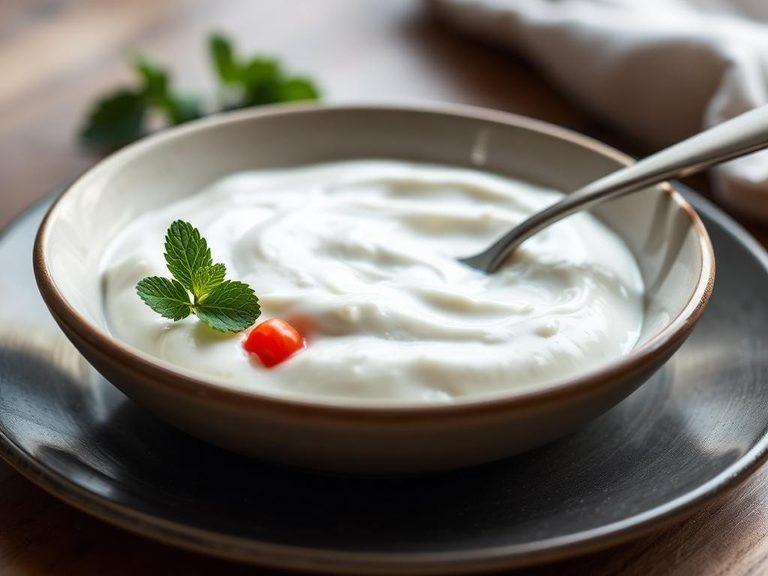
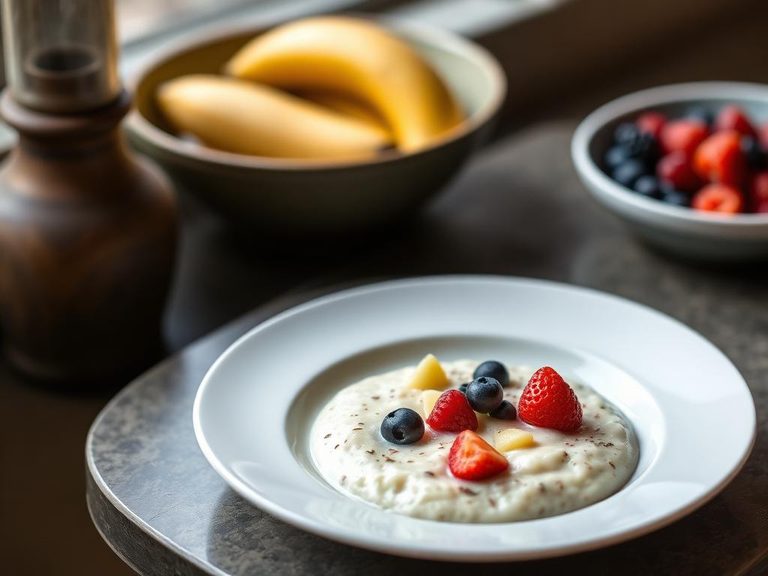
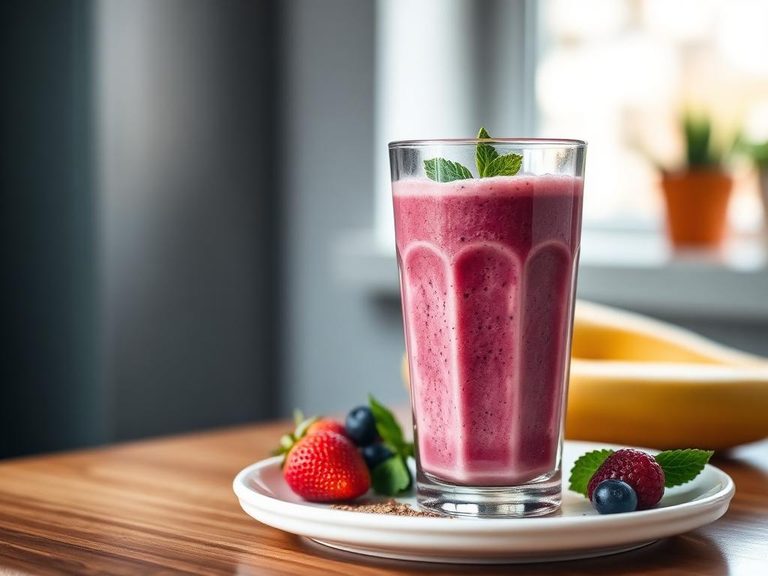
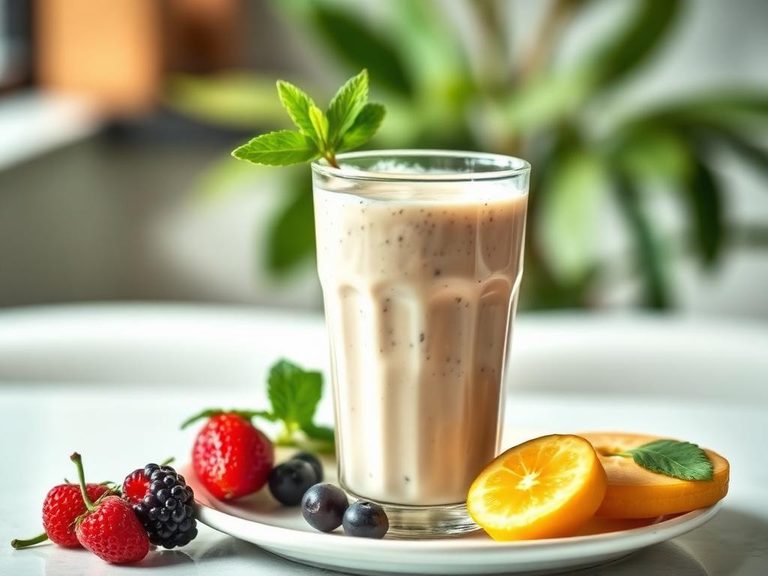
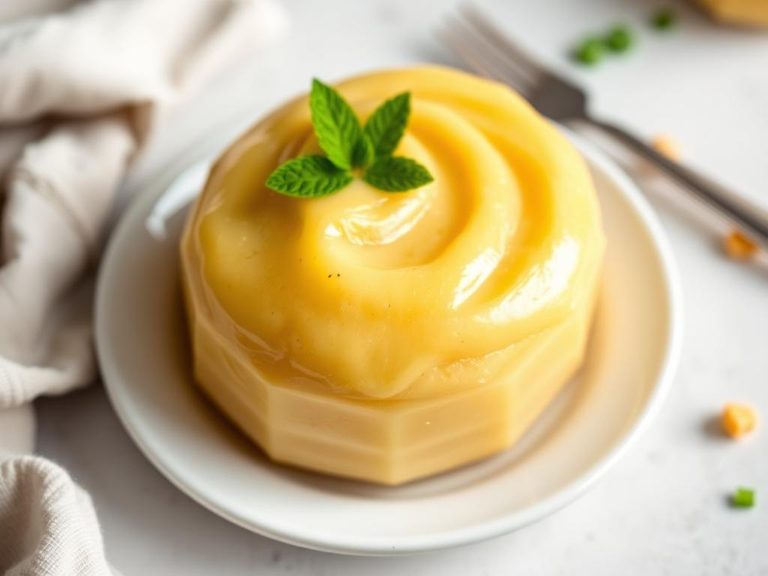
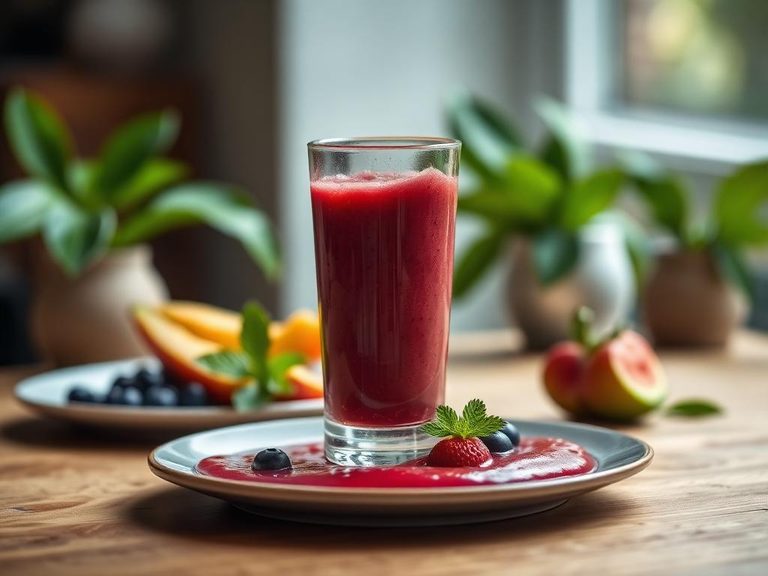
Blended into a thicker porridge consistency
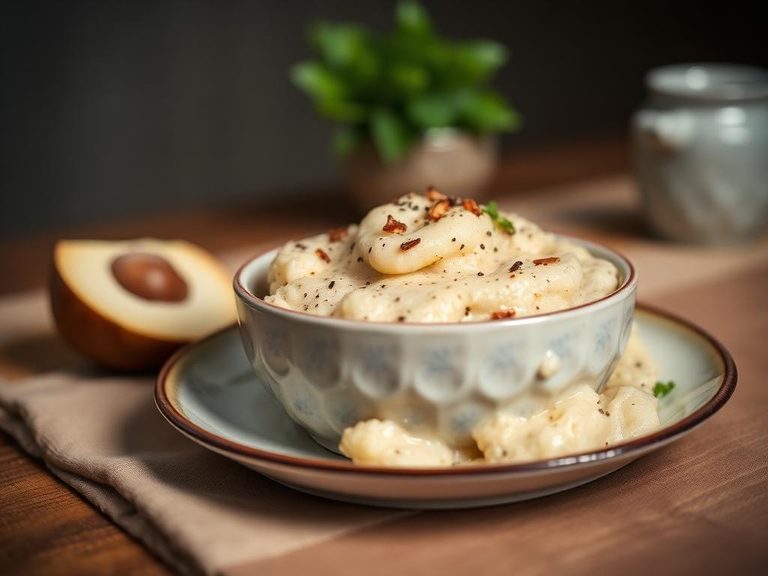
This dish refers to a thick, hearty porridge, most commonly a congee or jook, made by slow-coving grains (like rice) with a large amount of water or broth until they break down into a smooth, thick consistency. It is a foundational comfort food across many Asian cuisines, particularly in China, and can be served plain or with a wide variety of savory toppings like ginger, scallions, fried shallots, or preserved eggs.
🍽️ Nutrition at a glance
This dish is primarily a source of complex carbohydrates for energy, with a relatively low fat and protein content unless enriched with added ingredients. It provides easily digestible calories and can be a good source of B vitamins and minerals like selenium, depending on the grain used.
Nutrition breakdown
| Calories | 200 kcal |
| Protein | 4 g |
| Carbs | 42 g |
| Fat | 1.5 g |
| Fiber | 1.5 g |
| Sugar | 0.5 g |
| Sodium | 10 mg |
| Selenium | 11 mcg |
| Thiamin (B1) | 0.2 mg |
| Niacin (B3) | 2.5 mg |
| Magnesium | 15 mg |
| Phosphorus | 50 mg |
| Manganese | 0.6 mg |
| Copper | 0.1 mg |
| Iron | 1.2 mg |
Per 1.5 cups (360 g) · estimated, varies by recipe
💡 What's interesting
Culturally, this thick porridge is a universal comfort food often served to the ill, elderly, or young for its gentle, nourishing properties. Nutritionally, the long cooking process breaks down starches, making it exceptionally easy to digest while still providing sustained energy.