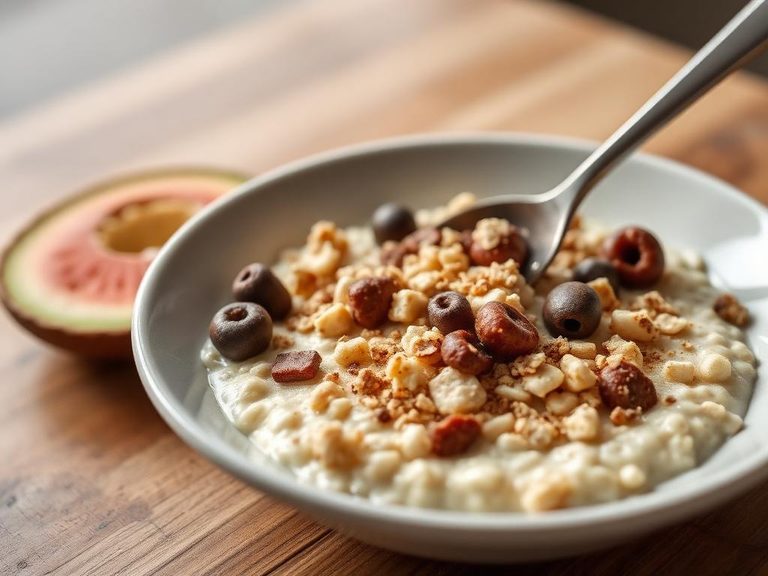
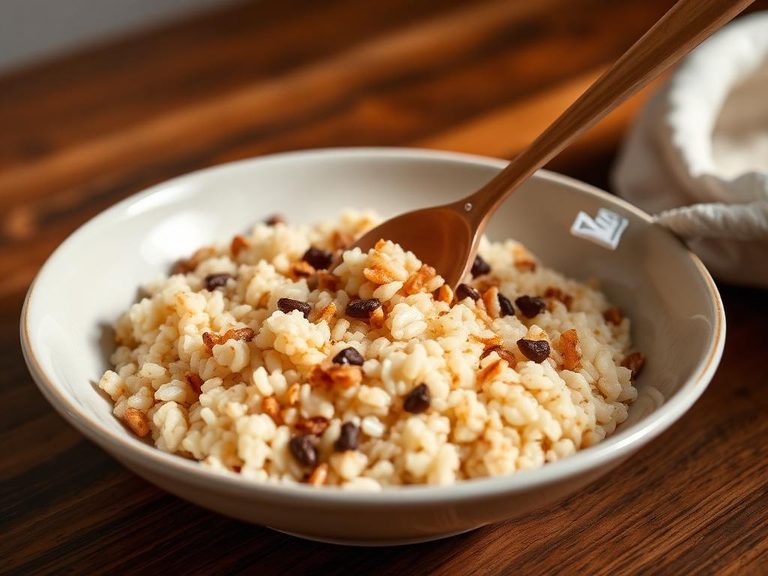
Stirred into yogurt for a thicker texture
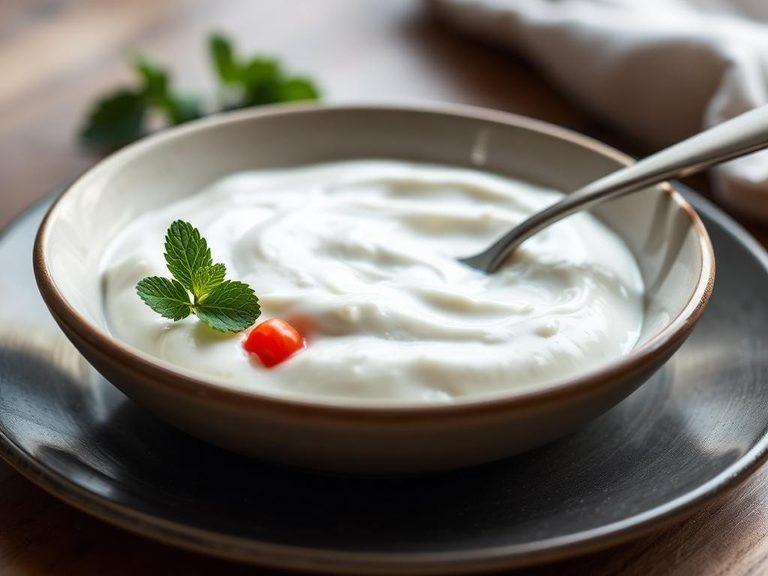
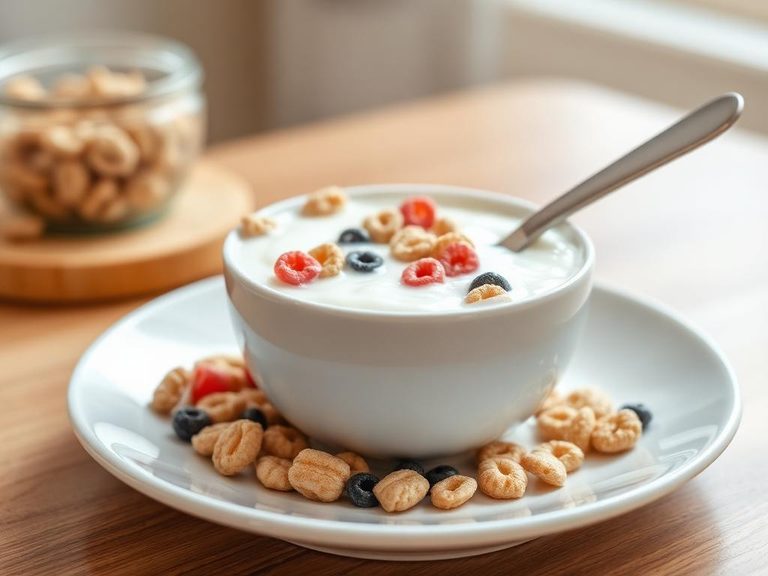
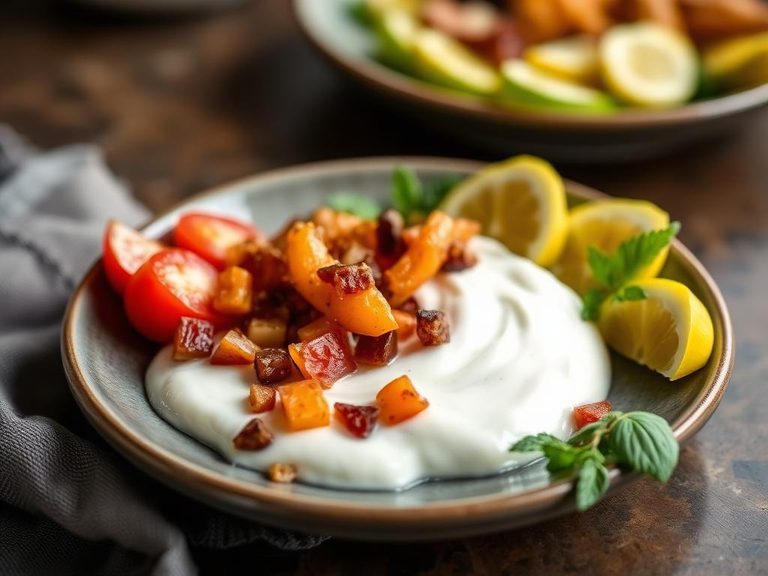
This is not a standalone dish but a common preparation technique where ingredients like fruit, granola, or seeds are stirred into plain yogurt to create a thicker, more textured, and flavorful meal or snack. The base is typically plain yogurt, often Greek-style for extra thickness, combined with additions like berries, nuts, honey, or oats. This method is ubiquitous in Western and global health-conscious cuisines.
🍽️ Nutrition at a glance
This preparation is generally high in protein (especially if using Greek yogurt) and can vary in carbohydrates and fat depending on the mix-ins. It provides key nutrients like calcium, probiotics, and potassium, with a typical serving ranging from 150 to 300 calories.
Nutrition breakdown
| Calories | 220 kcal |
| Protein | 20 g |
| Carbs | 15 g |
| Fat | 8 g |
| Fiber | 3 g |
| Sugar | 10 g |
| Sodium | 60 mg |
| Calcium | 250 mg |
| Potassium | 350 mg |
| Phosphorus | 200 mg |
| Vitamin B12 | 1.2 mcg |
| Riboflavin (B2) | 0.3 mg |
| Magnesium | 30 mg |
| Vitamin D | 0 mcg |
| Probiotics | Live active cultures |
Per 1 cup (240 g) of plain Greek yogurt with 1/2 cup (75 g) mixed berries and 1 tbsp (10 g) chopped almonds · estimated, varies by recipe
💡 What's interesting
Culturally, this is a foundational breakfast and snack format in many parts of the world, from American parfaits to Middle Eastern yogurt with fruit. Nutritionally, the combination of protein from yogurt and fiber from additions creates a satiating food that supports gut health.