Blended into a smoothie base
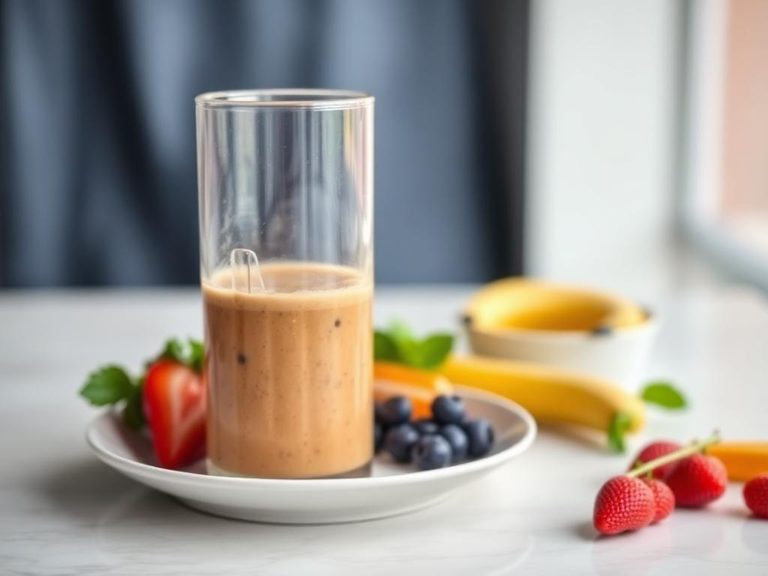
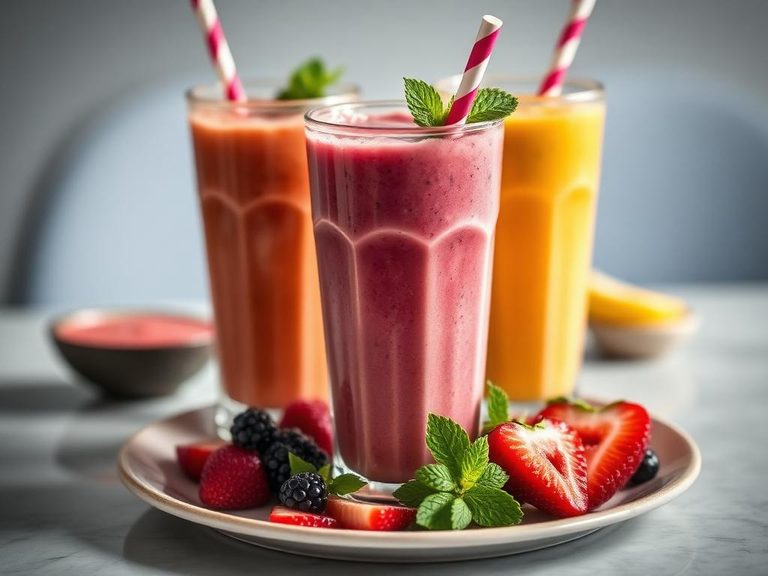
A blended smoothie base is a thick, drinkable mixture made by puréeing fruits, vegetables, and a liquid like milk or juice in a blender. It typically features a combination of ingredients such as bananas, berries, spinach, yogurt, or protein powder. While originating from modern health food trends, its roots are in the broader category of blended drinks popularized in the 20th century.
🍽️ Nutrition at a glance
This base is generally moderate in carbohydrates from fruit and added sugars, with protein and fat content varying widely based on ingredients like yogurt, nuts, or protein powder. It provides a good source of vitamins (like Vitamin C and A), minerals (like potassium), and fiber, with a typical serving ranging from 150 to 400 calories.
Nutrition breakdown
| Calories | 220 kcal |
| Protein | 8 g |
| Carbs | 40 g |
| Fat | 3 g |
| Fiber | 6 g |
| Sugar | 25 g |
| Sodium | 50 mg |
| Potassium | 450 mg |
| Vitamin C | 30 mg |
| Vitamin A | 120 mcg |
| Calcium | 150 mg |
| Iron | 1.5 mg |
| Magnesium | 40 mg |
| Vitamin K | 30 mcg |
| Folate | 60 mcg |
Per 1 cup (240 g) · estimated, varies by recipe
💡 What's interesting
Smoothie bases are uniquely customizable, acting as a nutritional canvas that can be tailored for a post-workout boost, a meal replacement, or a vitamin-packed snack. They are a cornerstone of modern wellness culture, often used to conveniently incorporate multiple servings of fruits and vegetables into one's diet.
🍽️ Related dishes
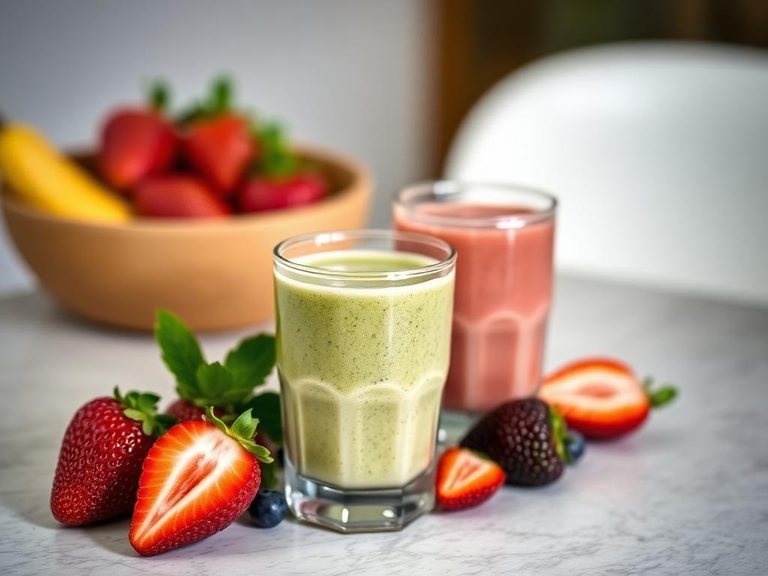 Blended into fruit smoothies for older toddlers
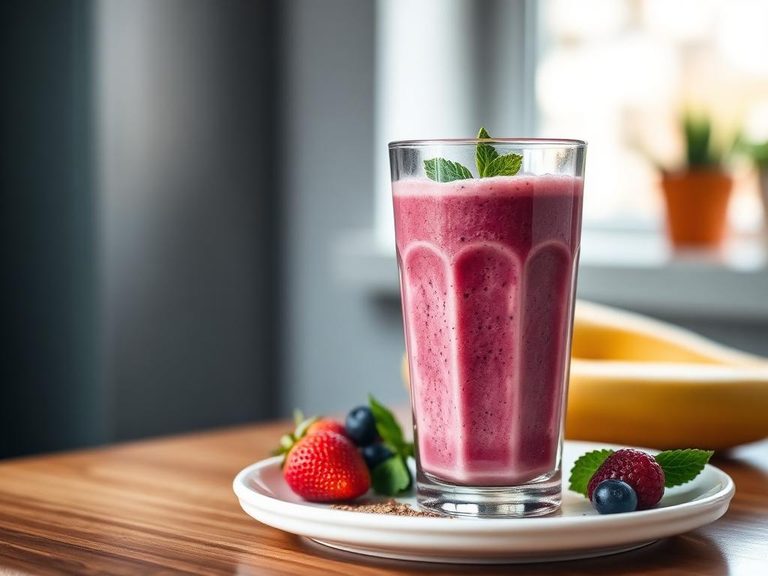 Blended into a post-workout smoothie
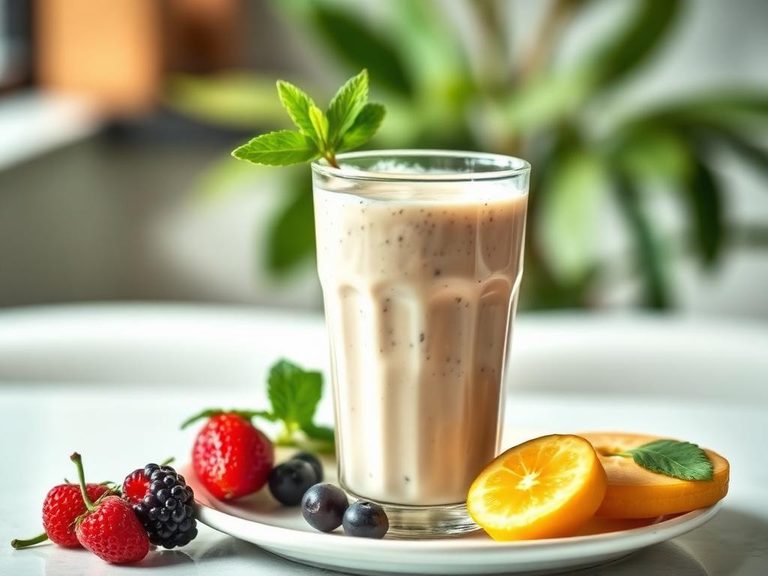 Blended into a smoothie with milk or yogurt
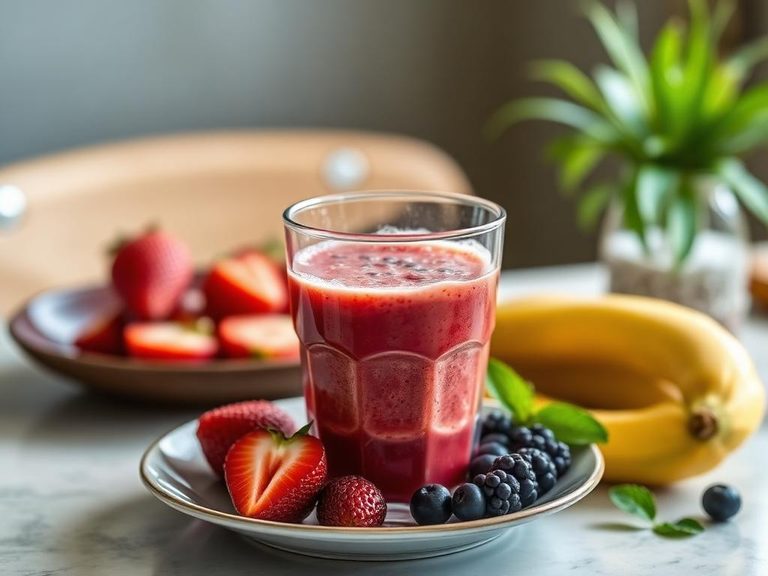 Blended into a fruit smoothie
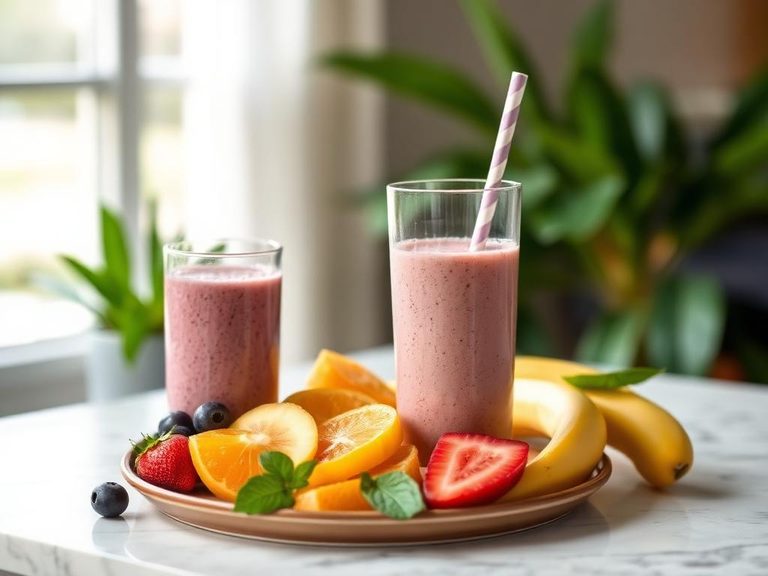 Blended into smoothies for added thickness and sweetness
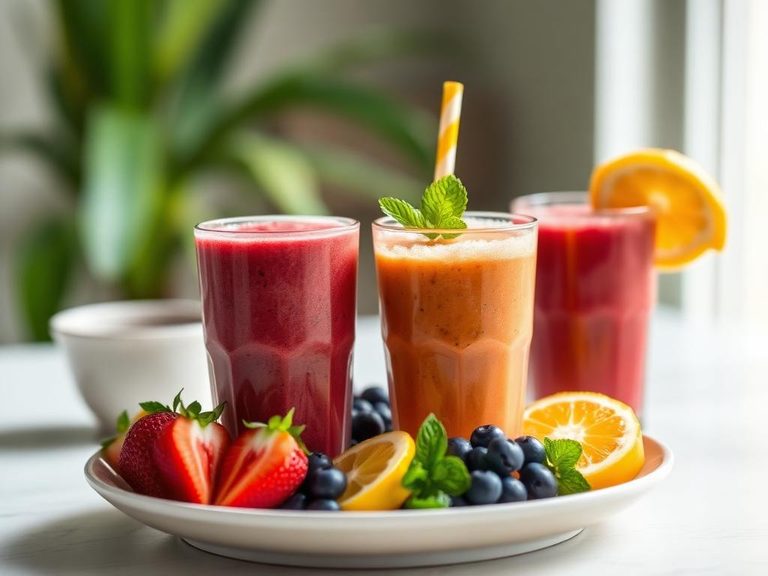 Blended into fruit smoothies
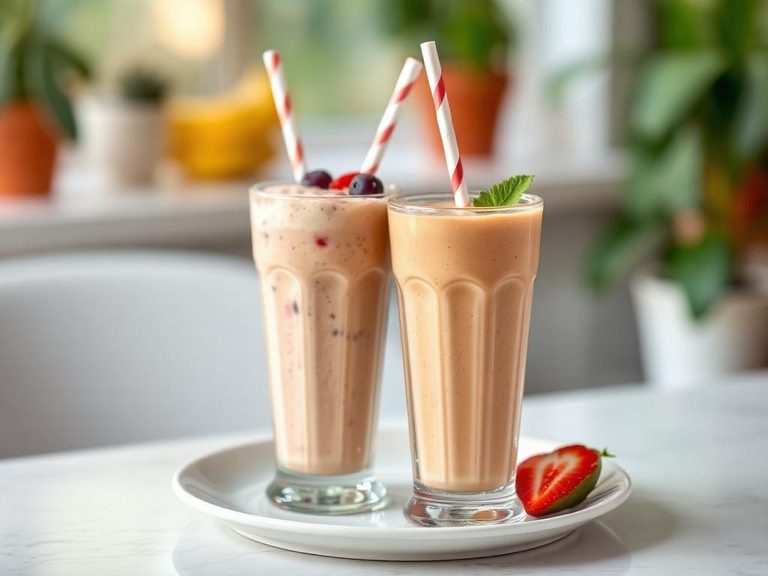 Blended into milkshakes or smoothies
 Blended into smoothies for toddlers