

Base for homemade cereal bars
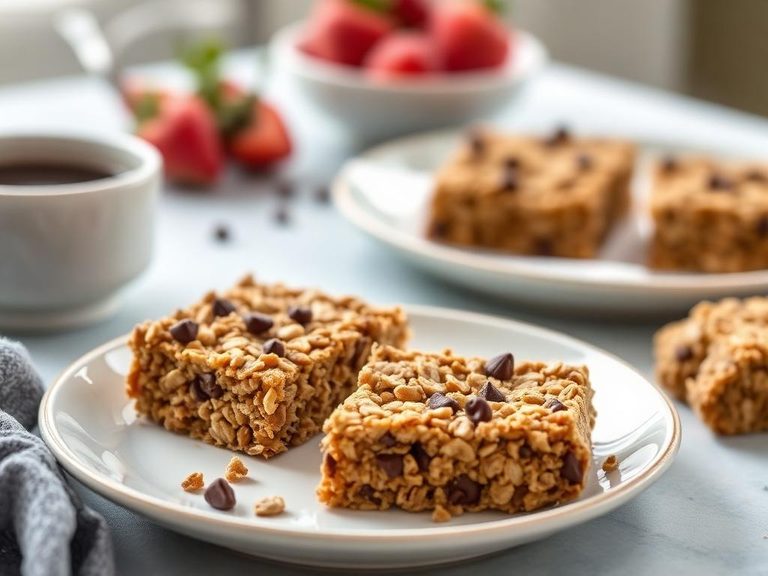
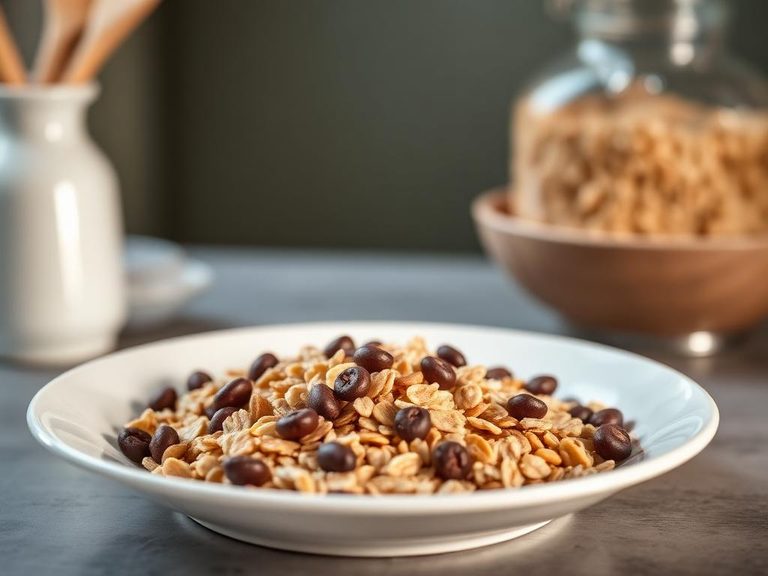
A base for homemade cereal bars is a versatile, no-bake mixture typically combining rolled oats, a sticky sweetener like honey or maple syrup, and a fat source such as nut butter or coconut oil. It originates from modern health-conscious cooking, particularly popular in North America and Europe as a customizable alternative to store-bought granola bars. This foundational mixture can be customized with add-ins like dried fruits, nuts, seeds, or chocolate chips before being pressed into a pan and chilled.
🍽️ Nutrition at a glance
This base is generally carbohydrate-rich from the oats and sweetener, with moderate fat from the nut butter or oil, and a modest amount of protein. It provides sustained energy from complex carbs, dietary fiber, and key minerals like iron and magnesium, with a typical serving containing roughly 200-250 calories.
Nutrition breakdown
| Calories | 230 kcal |
| Protein | 6 g |
| Carbs | 32 g |
| Fat | 9 g |
| Fiber | 4 g |
| Sugar | 12 g |
| Sodium | 50 mg |
| Iron | 2.1 mg |
| Magnesium | 45 mg |
| Phosphorus | 120 mg |
| Manganese | 1.5 mg |
| Zinc | 1.2 mg |
| Copper | 0.2 mg |
| Thiamin (B1) | 0.15 mg |
| Selenium | 8 mcg |
Per 1 bar (approximately 60 g) · estimated, varies by recipe
💡 What's interesting
Culturally, this recipe represents the DIY and clean-eating movement, allowing for complete control over ingredients and sugar content compared to commercial bars. Nutritionally, the combination of oats and a sticky binder creates a matrix that helps slow digestion, providing a more stable release of energy than many processed snacks.
🍽️ Related dishes
AI estimate may be inaccurate · Terms