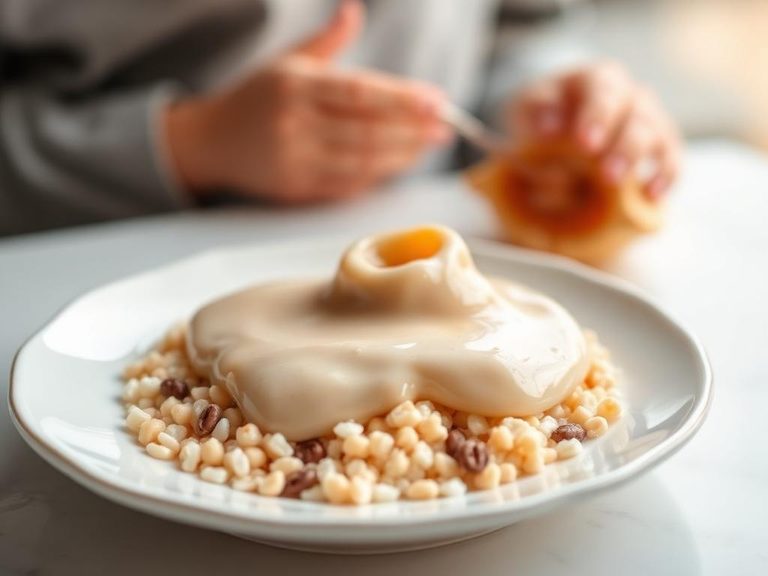
Formula-mixed baby cereal
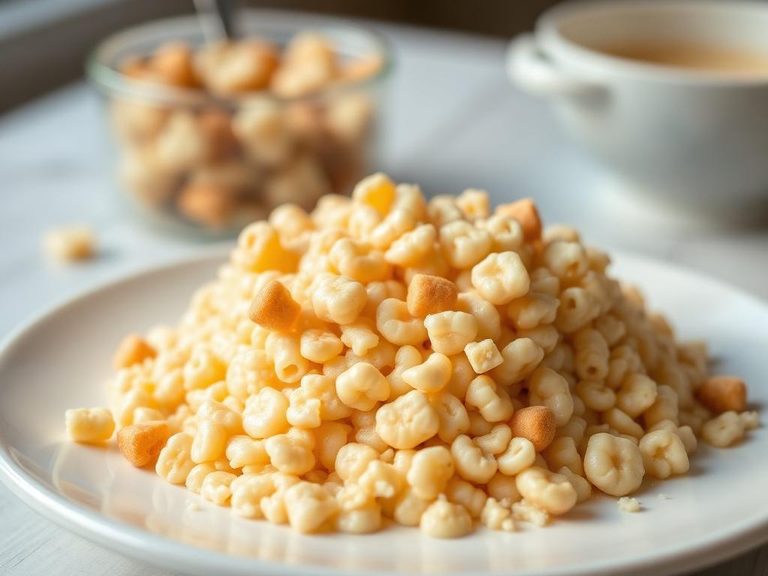
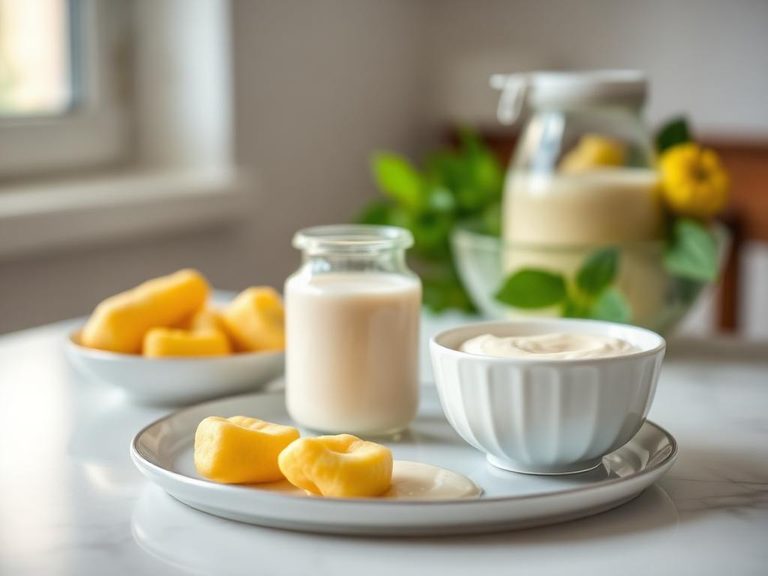
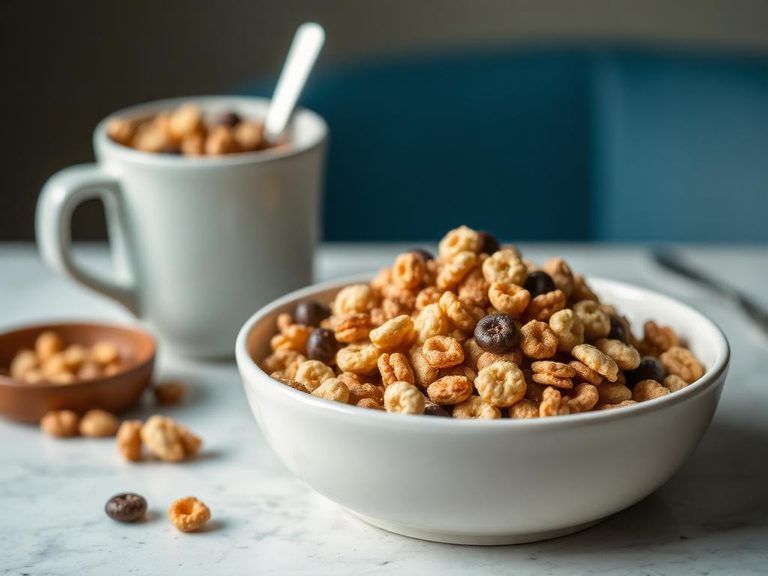
Formula-mixed baby cereal is a processed, fortified food product designed as an early solid food for infants, typically introduced around 4-6 months of age. It is usually made from a single grain like rice or oat, or a blend, and is mixed with breast milk, formula, or water to create a smooth, semi-liquid porridge. This type of cereal is a staple in many countries worldwide, especially in Western and industrialized nations.
🍽️ Nutrition at a glance
This cereal is primarily a source of carbohydrates for energy, with a modest amount of protein. It is almost always fortified with essential vitamins and minerals, such as iron and zinc, which are critical for an infant's growth and development. A typical dry serving of about 15 grams contains roughly 60 calories.
Nutrition breakdown
| Calories | 60 kcal |
| Protein | 2 g |
| Carbs | 12 g |
| Fat | 0.5 g |
| Fiber | 1 g |
| Sugar | 2 g |
| Sodium | 20 mg |
| Iron | 10 mg |
| Zinc | 3 mg |
| Calcium | 120 mg |
| Potassium | 100 mg |
| Vitamin B6 | 0.3 mg |
| Vitamin B12 | 0.5 mcg |
| Vitamin C | 15 mg |
| Thiamin | 0.3 mg |
Per 1 dry serving (15 g) · estimated, varies by recipe
💡 What's interesting
The cultural uniqueness of formula-mixed baby cereal lies in its role as a standardized, convenient, and scientifically formulated 'first food' that reflects modern nutritional science and busy lifestyles. Nutritionally, its key feature is the mandatory fortification with iron, as an infant's natural iron stores begin to deplete around six months of age.