Homemade baby formula
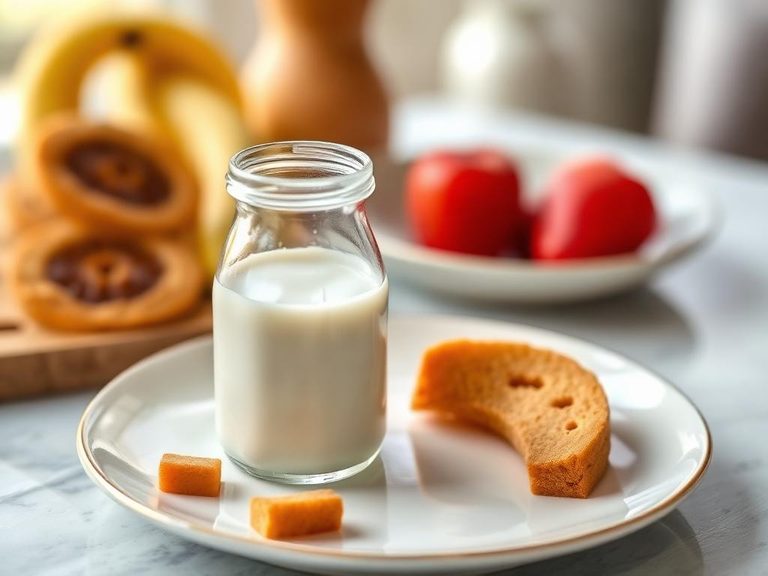
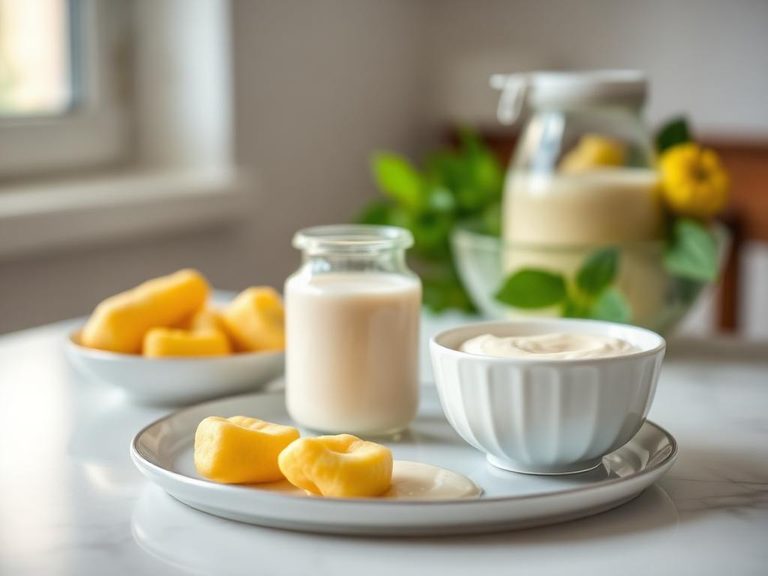
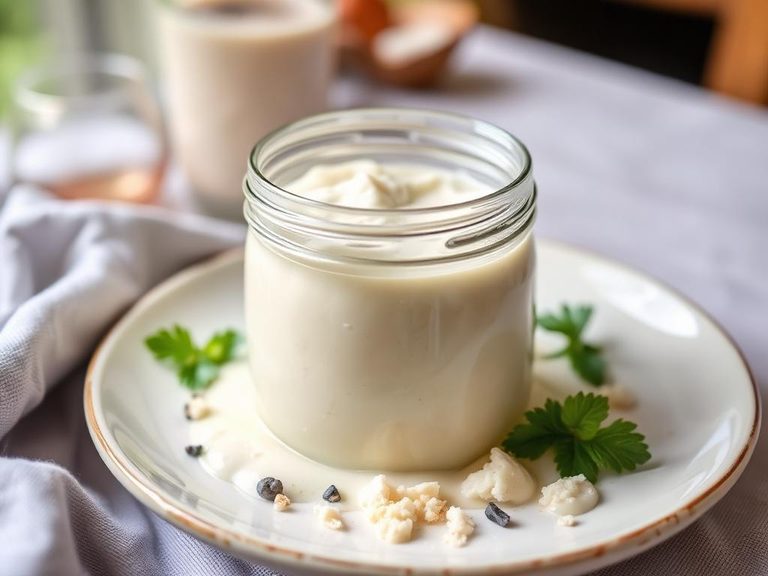
Homemade baby formula is a DIY alternative to commercial infant formula, typically made from a base of goat's milk or cow's milk blended with ingredients like corn syrup, oils, and vitamins. It is not a single standardized recipe but rather a collection of formulas created by parents, often inspired by older recipes or natural parenting philosophies. This practice is generally discouraged by pediatricians and health organizations in favor of commercially prepared formulas or breastfeeding.
🍽️ Nutrition at a glance
A typical homemade formula is generally balanced in carbohydrates, fats, and protein, designed to mimic the macronutrient profile of breast milk or commercial formula. It provides essential calories for growth, along with added vitamins and minerals, though the exact nutrient content can vary widely and may be incomplete or unbalanced.
Nutrition breakdown
| Calories | 120 kcal |
| Protein | 3.5 g |
| Carbs | 15 g |
| Fat | 5.5 g |
| Fiber | 0 g |
| Sugar | 10 g |
| Sodium | 50 mg |
| Calcium | 120 mg |
| Vitamin D | 40 IU |
| Iron | 1.5 mg |
| Zinc | 1.0 mg |
| Vitamin A | 150 IU |
| Vitamin C | 10 mg |
| Potassium | 150 mg |
| Phosphorus | 90 mg |
Per 1 cup (240 g) · estimated, varies by recipe
💡 What's interesting
The practice of making homemade baby formula has seen a resurgence in recent years, often driven by formula shortages or a desire for more 'natural' ingredients, despite significant safety and nutritional concerns. It is a fascinating example of how parents adapt to perceived needs, often drawing on historical or alternative health knowledge, but it highlights the critical importance of meeting an infant's precise nutritional requirements.