

Baltic Herring Casserole
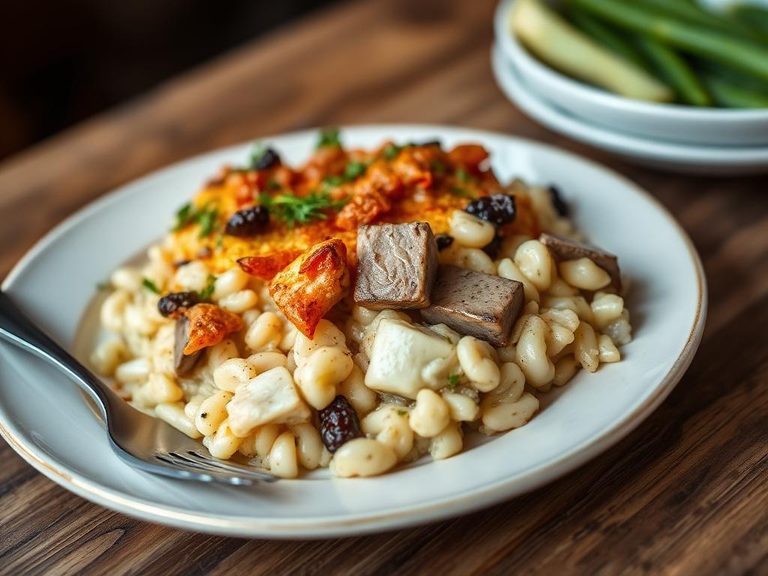
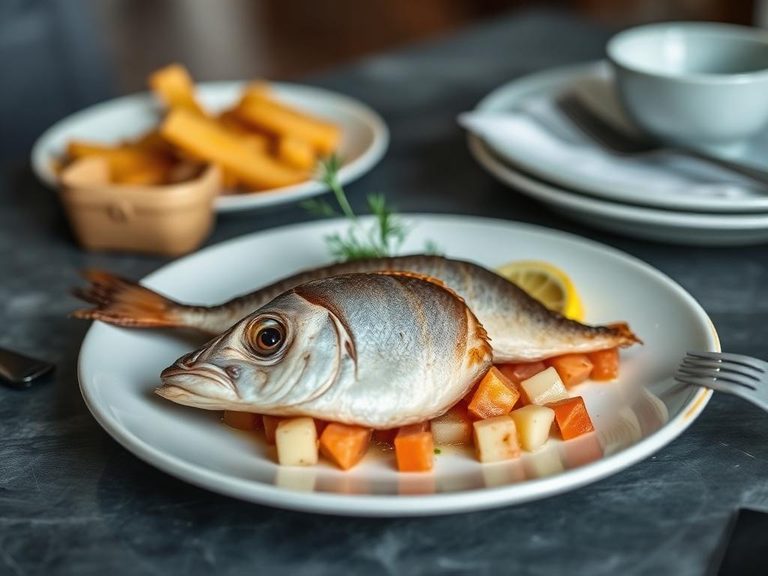
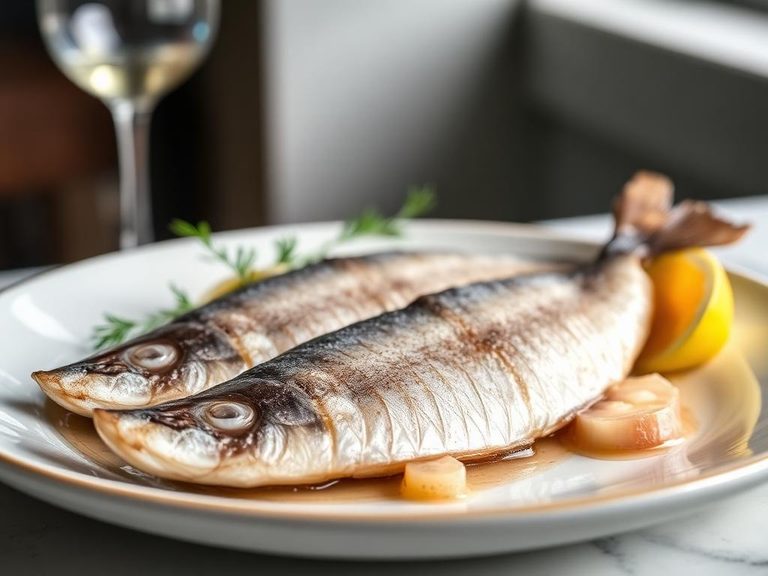
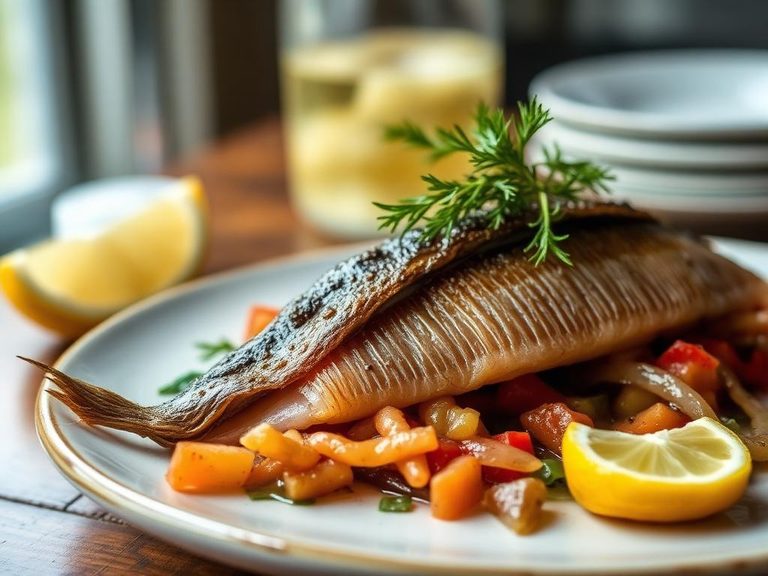
Baltic Herring Casserole, known as 'Lohikeitto' in Finnish or 'Sildikartulivorm' in Estonian, is a comforting baked dish from the Baltic region, particularly popular in Finland and Estonia. It typically features layers of sliced potatoes, onions, and Baltic herring fillets, often baked in a creamy sauce or with a milk-based topping. The dish reflects the region's reliance on preserved fish and root vegetables as staple ingredients.
🍽️ Nutrition at a glance
This casserole is a balanced meal, offering a good source of protein from the herring, complex carbohydrates from the potatoes, and healthy fats from the fish and any added dairy. A typical serving provides a moderate calorie count, around 300-400 kcal, and is rich in omega-3 fatty acids, vitamin D, and B vitamins.
Nutrition breakdown
| Calories | 350 kcal |
| Protein | 22 g |
| Carbs | 30 g |
| Fat | 15 g |
| Fiber | 4 g |
| Sugar | 3 g |
| Sodium | 680 mg |
| Omega-3 (EPA+DHA) | 1.2 g |
| Vitamin D | 8.5 µg |
| Vitamin B12 | 3.8 µg |
| Selenium | 35 µg |
| Phosphorus | 280 mg |
| Potassium | 520 mg |
| Niacin (B3) | 5.5 mg |
| Vitamin B6 | 0.4 mg |
Per 1 cup (250 g) · estimated, varies by recipe
💡 What's interesting
Culturally, this dish is a prime example of Nordic 'everyday cuisine' (arkiruoka), showcasing how simple, preserved ingredients like pickled or salted herring are transformed into a hearty, family-style meal. Nutritionally, the use of whole, unprocessed ingredients like potatoes and fish makes it a naturally nutrient-dense option without relying on heavy sauces.
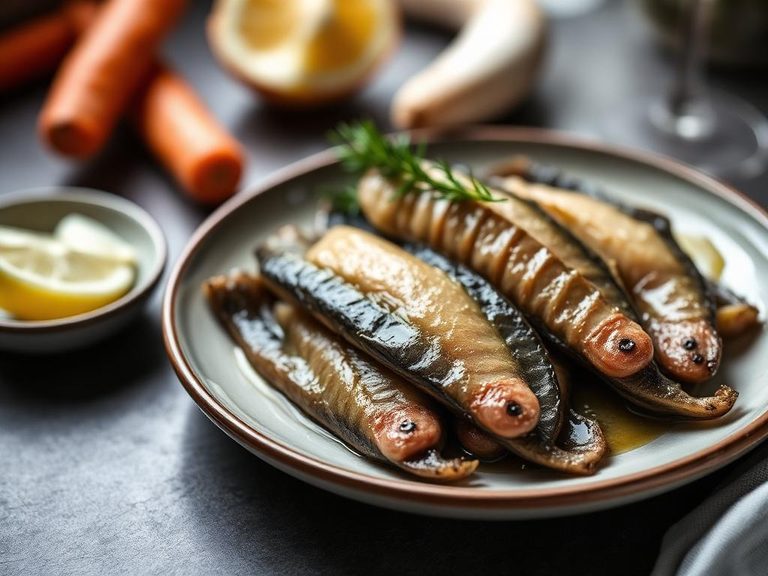
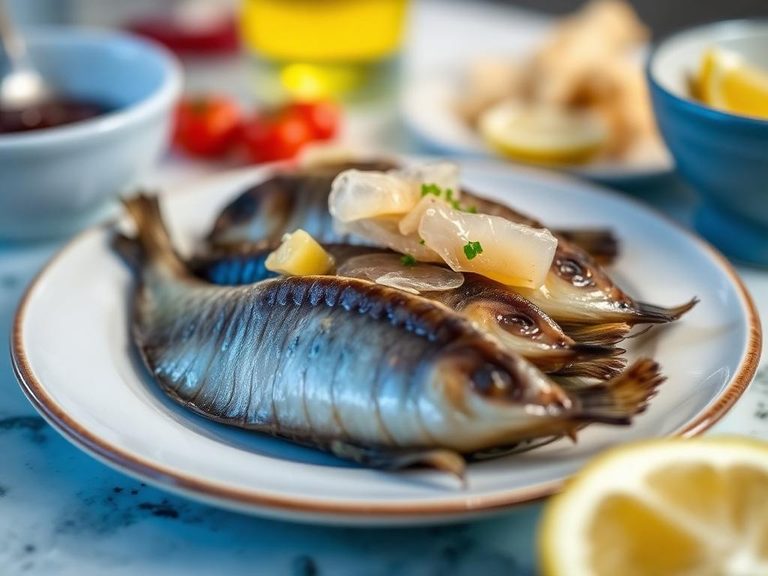
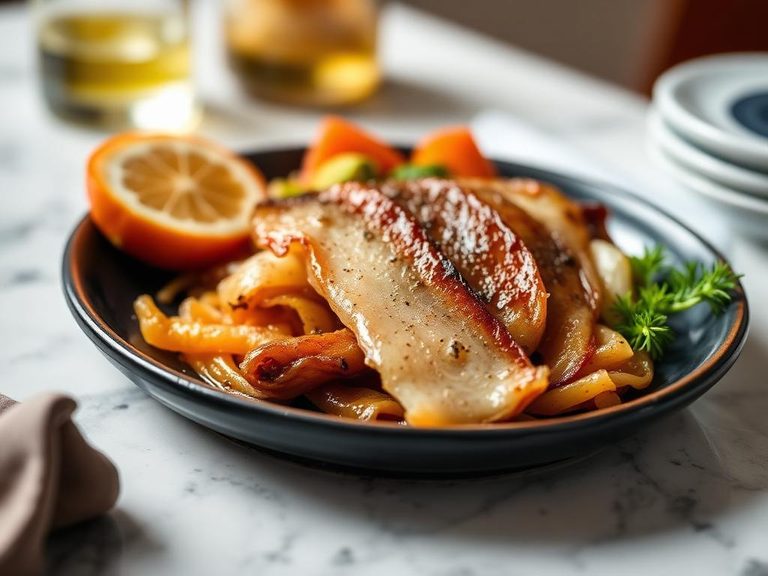
🍽️ Related dishes
AI estimate may be inaccurate · Terms