Agua de Guayaba
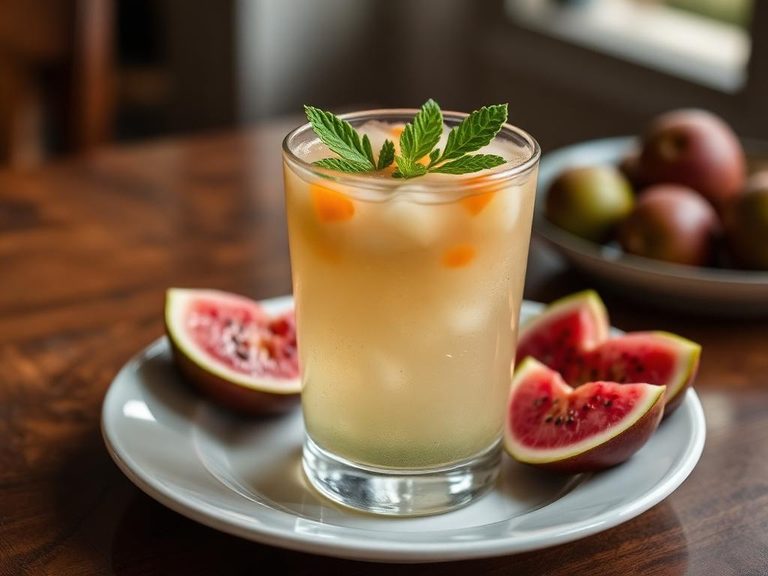
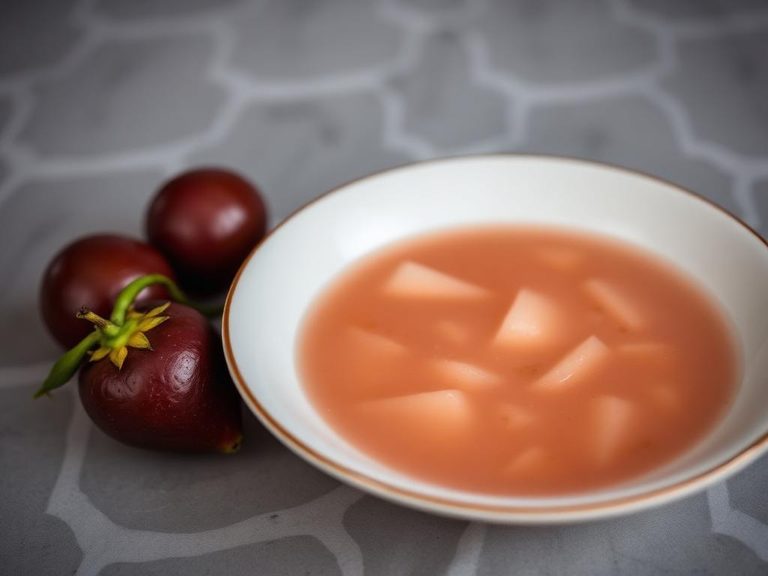
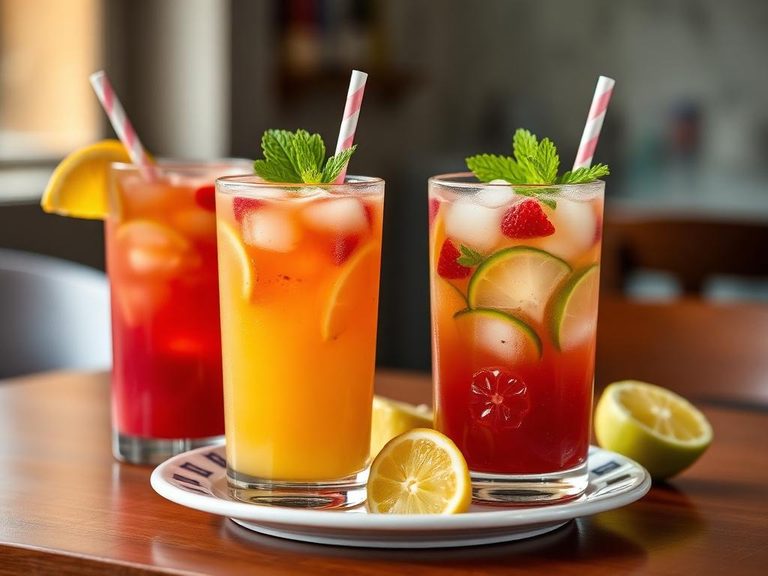
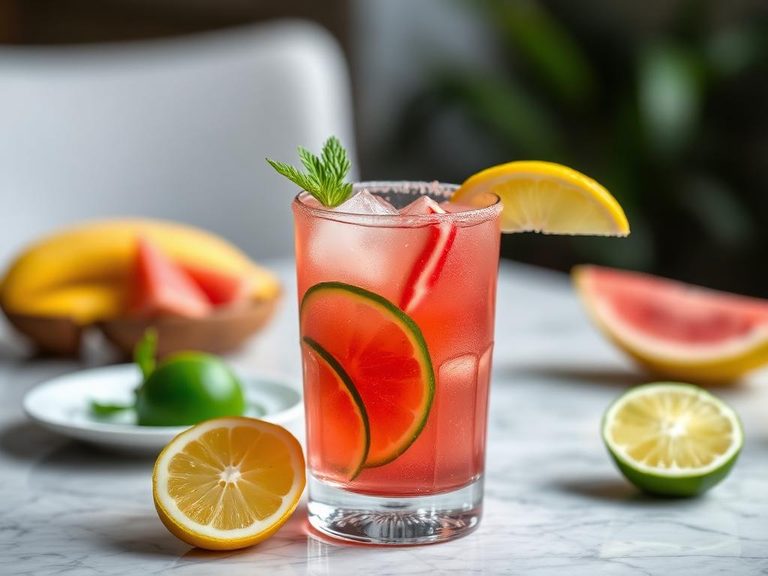
Agua de Guayaba is a refreshing, fruit-infused water beverage popular across Latin America, particularly in Mexico, the Caribbean, and Central America. It's made by blending fresh or ripe guava with water, then sweetening it with sugar and straining it to create a light, fragrant drink. It's a staple in homes and street markets, often served chilled over ice.
🍽️ Nutrition at a glance
This drink is primarily a source of simple carbohydrates from natural fruit sugars and added sweetener, with negligible fat and protein. It provides a good amount of vitamin C and some potassium from the guava, and a typical serving (about 8 oz/240ml) contains roughly 60-80 calories.
Nutrition breakdown
| Calories | 60 kcal |
| Protein | 0.5 g |
| Carbs | 14 g |
| Fat | 0.1 g |
| Fiber | 1.5 g |
| Sugar | 11 g |
| Sodium | 5 mg |
| Vitamin C | 125 mg |
| Potassium | 350 mg |
| Folate (B9) | 30 mcg |
| Vitamin A | 25 mcg RAE |
| Magnesium | 10 mg |
| Calcium | 15 mg |
| Phosphorus | 10 mg |
| Iron | 0.3 mg |
Per 1 cup (240 g) · estimated, varies by recipe
💡 What's interesting
Culturally, it's a beloved example of 'aguas frescas,' a category of light, non-alcoholic drinks that are a cornerstone of daily hydration and social gatherings in many Latin cultures. Nutritionally, it's interesting because while it's hydrating and provides some vitamins, its main appeal is as a flavorful, natural alternative to soda, though the sugar content can vary widely based on preparation.