Abalone Porridge
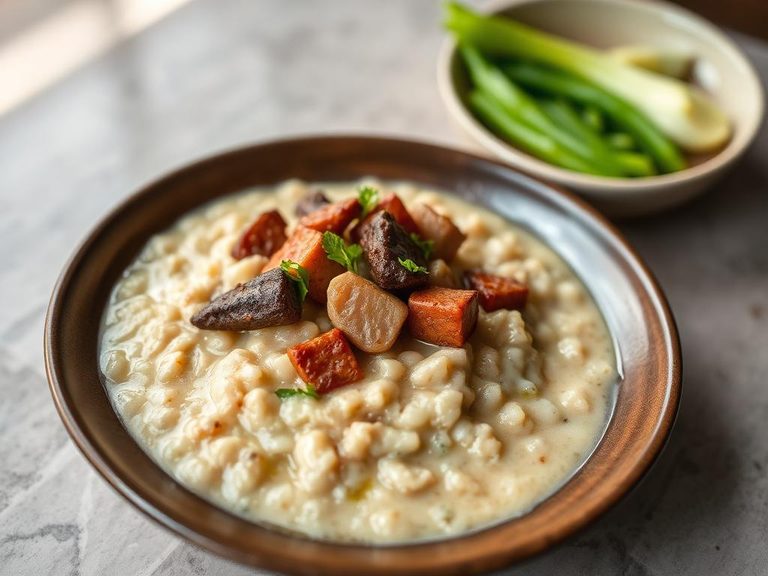
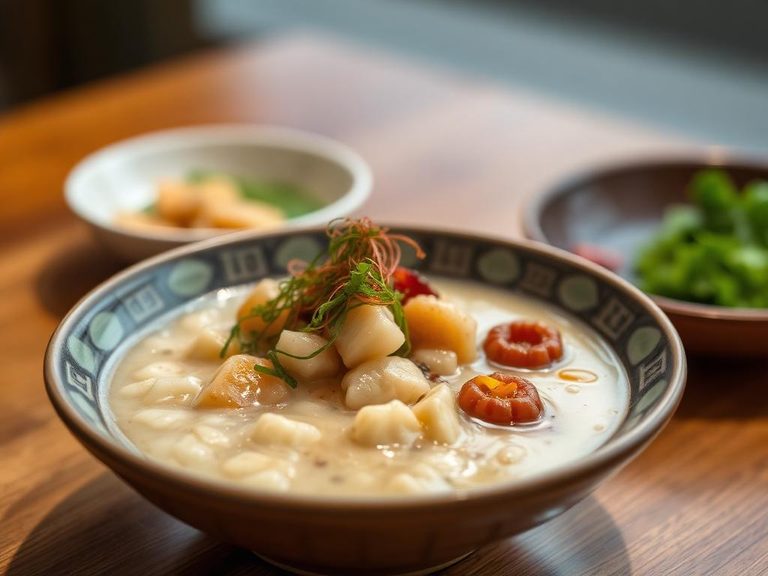
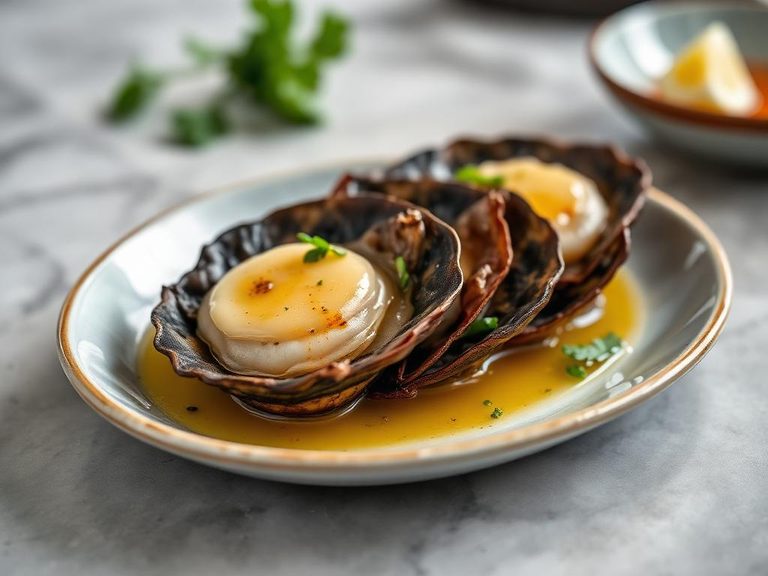
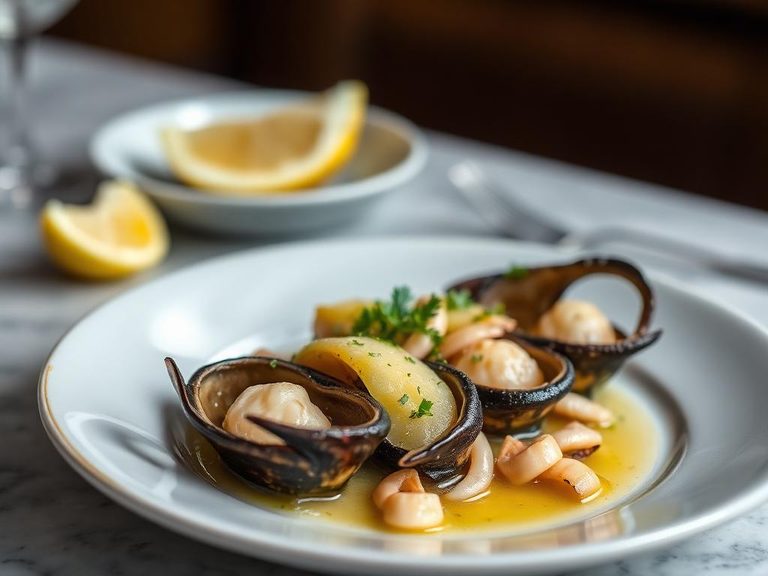
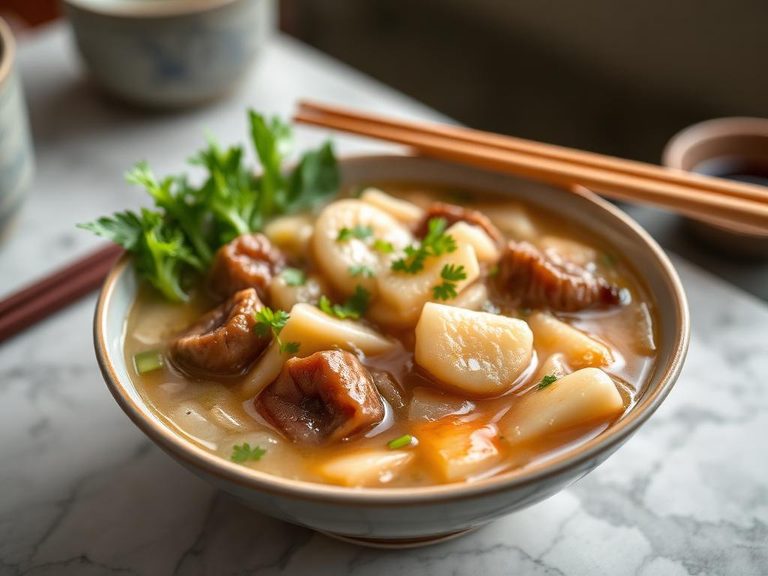
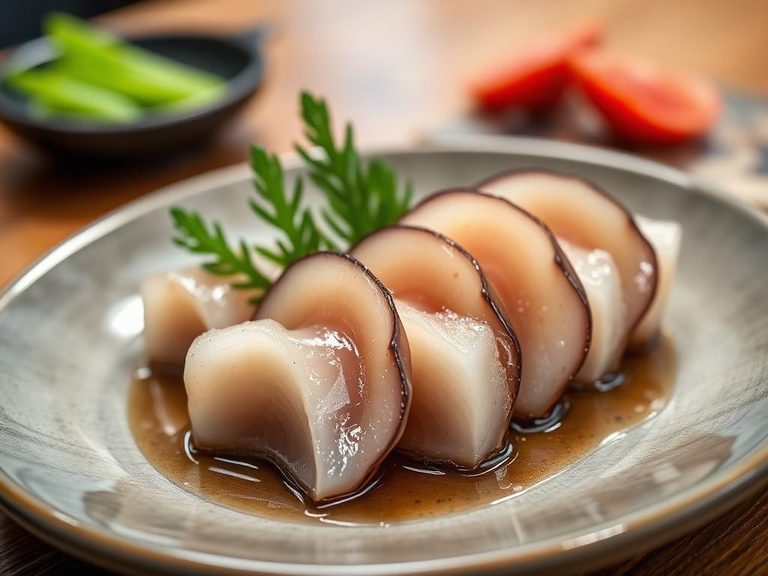
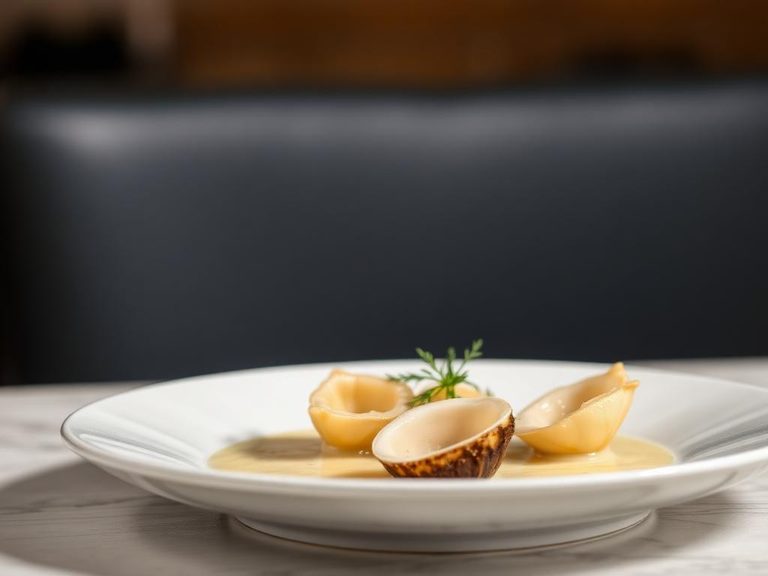
Abalone porridge is a luxurious and comforting East Asian dish, typically made by slow-cooking tender slices of abalone in a savory rice congee or broth. It often features a base of rice, ginger, scallions, and sometimes dried scallops or mushrooms to enhance the umami flavor. This dish is a celebrated delicacy in Chinese, Japanese, and Korean cuisines, often served at special occasions or as a restorative meal.
🍽️ Nutrition at a glance
This dish is primarily a source of high-quality protein from the abalone and carbohydrates from the rice base, with a relatively low fat content. It provides essential minerals like selenium and zinc, and a typical serving contains roughly 200-300 calories, depending on the recipe and portion size.
Nutrition breakdown
| Calories | 250 kcal |
| Protein | 18 g |
| Carbs | 35 g |
| Fat | 4 g |
| Fiber | 2 g |
| Sugar | 1 g |
| Sodium | 480 mg |
| Selenium | 35 mcg |
| Zinc | 2.5 mg |
| Iron | 2.8 mg |
| Phosphorus | 180 mg |
| Vitamin B12 | 1.2 mcg |
| Niacin (B3) | 3.5 mg |
| Magnesium | 25 mg |
| Potassium | 320 mg |
Per 1 bowl (300 g) · estimated, varies by recipe
💡 What's interesting
Culturally, abalone is a symbol of good fortune and prosperity in many Asian cultures, making this porridge a common celebratory dish. Nutritionally, abalone is a unique shellfish known for its dense, lean protein and rich content of omega-3 fatty acids, which support heart health.