

Kraft Foods, Shake N Bake Original Recipe, Coating for Pork, dry
Whole food · Baked Products

Photo: Wikipedia
This is a dry, seasoned breadcrumb coating mix designed to create a crispy, golden-brown crust on pork chops or other meats when baked. It delivers a savory, slightly sweet, and peppery flavor with a signature crunchy texture. Nutritionally, it's a high-carbohydrate coating with minimal protein or fat of its own.
Calorie split: 6% protein · 85% carbs · 9% fat
↓ Full nutrition💚 Why it's loved
People love it for the nostalgic, comforting crunch it adds to simple pork chops, evoking classic American home cooking. Its versatility is key—it's a reliable shortcut for a crispy coating on chicken, fish, or even vegetables.
⚠️ Watch-outs & how to enjoy it better
As a refined carbohydrate coating with added salt and sugar, it can contribute to blood-sugar spikes and offers little nutritional fiber. Those monitoring sodium or carbohydrate intake should use it sparingly or consider a homemade blend with whole-grain crumbs and herbs. Pairing it with a large serving of non-starchy vegetables and a lean protein helps balance the meal.
Key benefits
- Provides a quick, consistent crispy crust without deep-frying.
- Adds savory flavor and texture to lean pork cuts.
- Simplifies home cooking with a pre-mixed seasoning blend.
- A classic American pantry staple for easy weeknight meals.
🍽️ Popular dishes
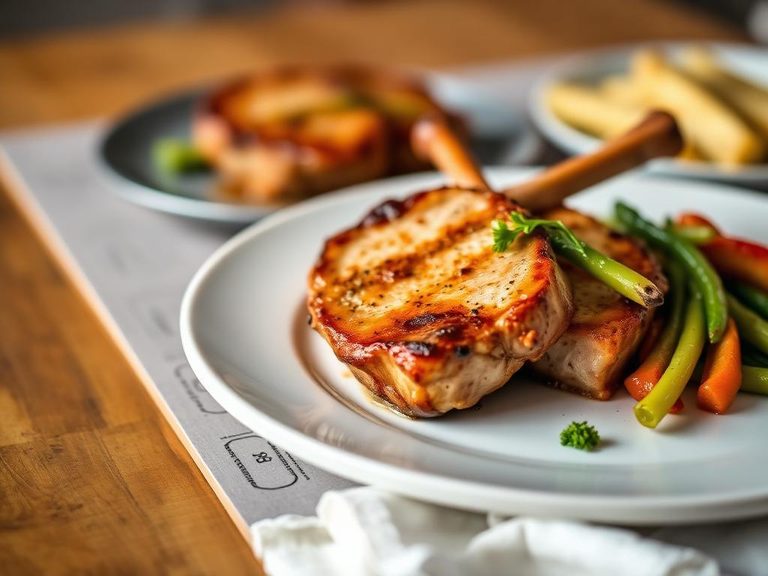
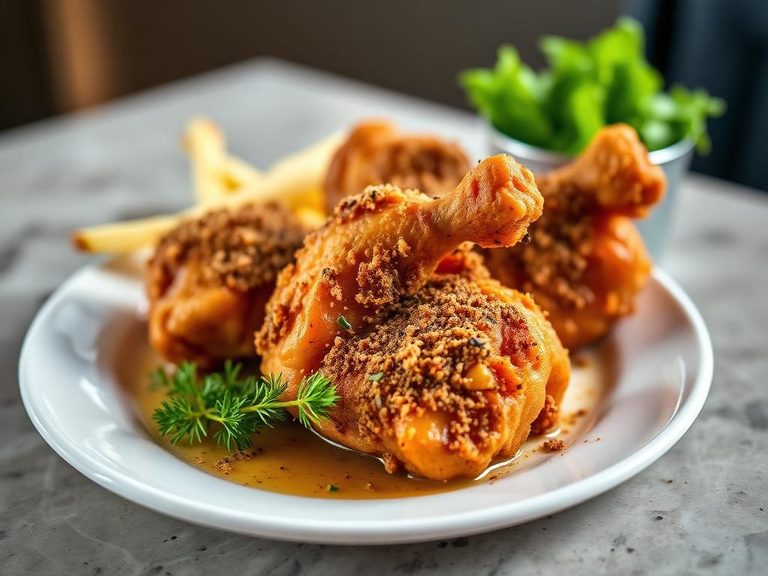
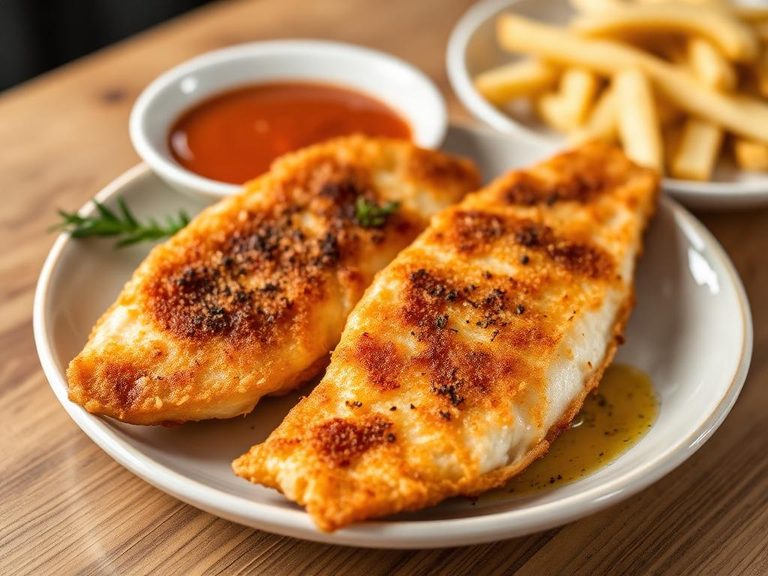
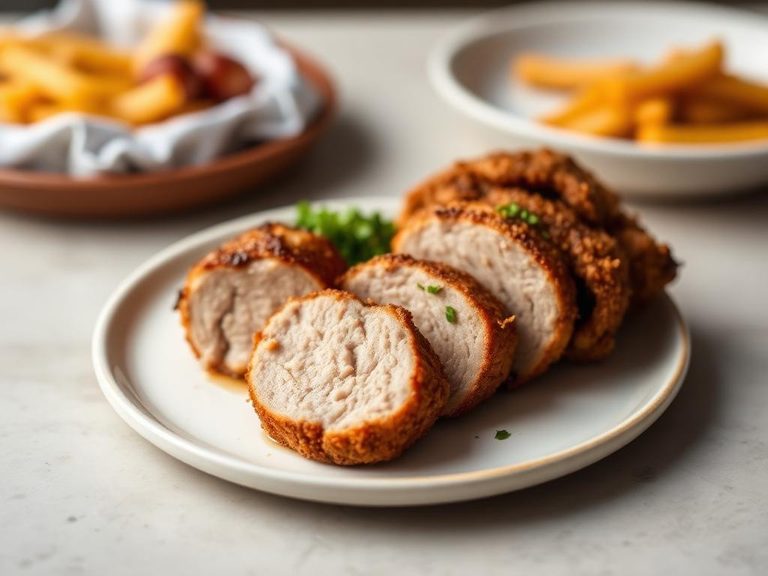
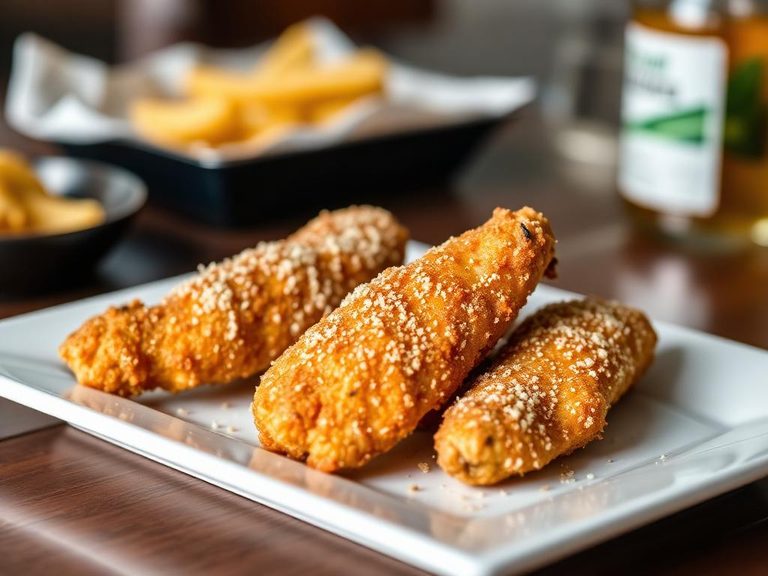
🌍 Where it's eaten
💡 Did you know?
The Shake 'N Bake product was invented in 1961 by a home economics teacher, Patricia Jensen, as a healthier alternative to frying.
Full nutrition (USDA data · scales with serving)
| Water | 3.2 g |
| Energy | 377 kcal |
| Energy | 1577 kj |
| Protein | 6.1 g |
| Total lipid (fat) | 3.7 g |
| Ash | 7.2 g |
| Carbohydrate, by difference | 79.8 g |
| Sodium, Na | 2182 mg |
FAQ
Can I use this coating for foods other than pork?
Yes, it's very versatile. It works well on chicken (breasts, thighs, or tenders), fish fillets, and even firm vegetables like eggplant or zucchini slices.
How do I get the coating to stick properly?
First, lightly coat the meat or vegetable in a thin layer of oil, beaten egg, or mayonnaise. Then, place the item and the dry mix in a resealable bag, shake vigorously to coat evenly, and place on a baking sheet.
Is this product gluten-free?
No, the original recipe contains wheat flour as its primary ingredient and is not gluten-free.
Weight-loss friendliness (composite index)
Energy density 3.77 kcal/g · 6% calories from protein · 0.0 g fiber · 0.0 g sugar per 100 g.
Composite of energy density (Rolls et al., 1999), protein & fiber satiety, minus sugar. A calculated heuristic — ranks satiety-per-calorie, not a clinical measure.