Weetabix flapjacks or energy bars
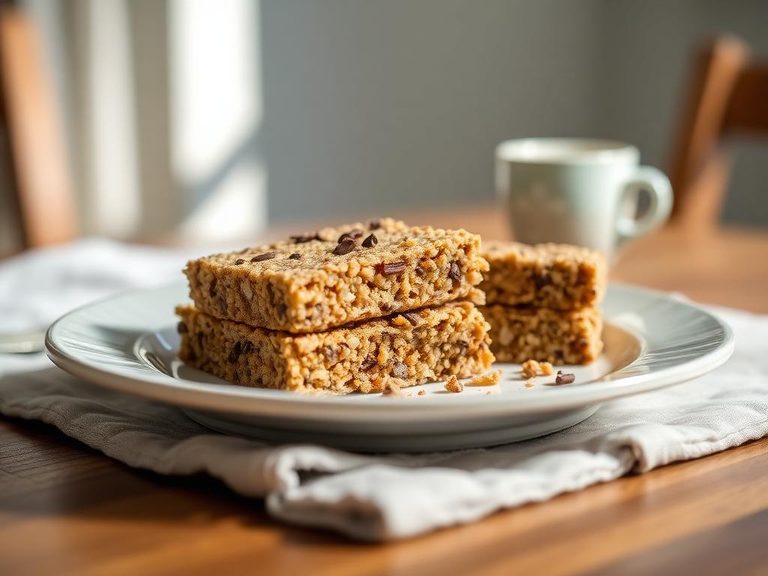
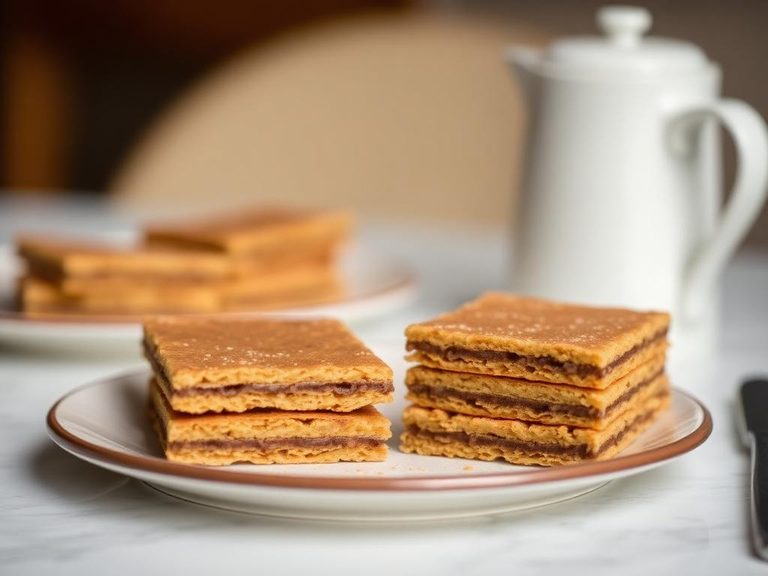
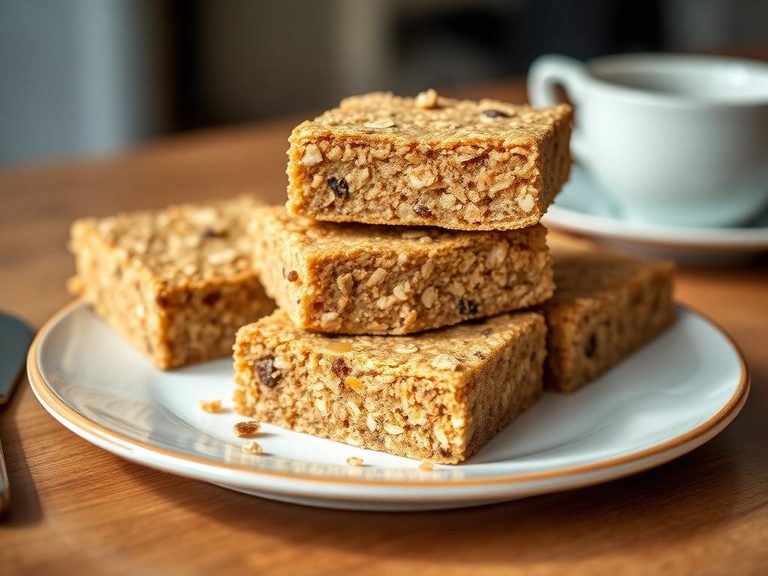
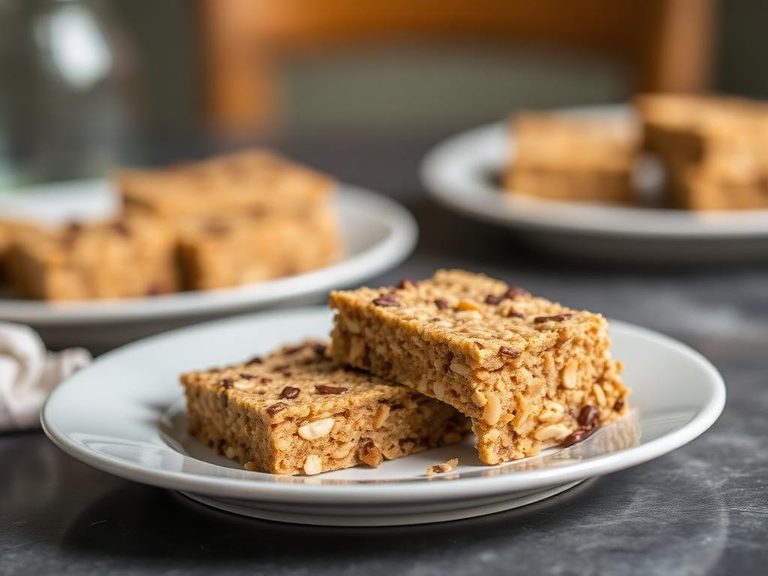
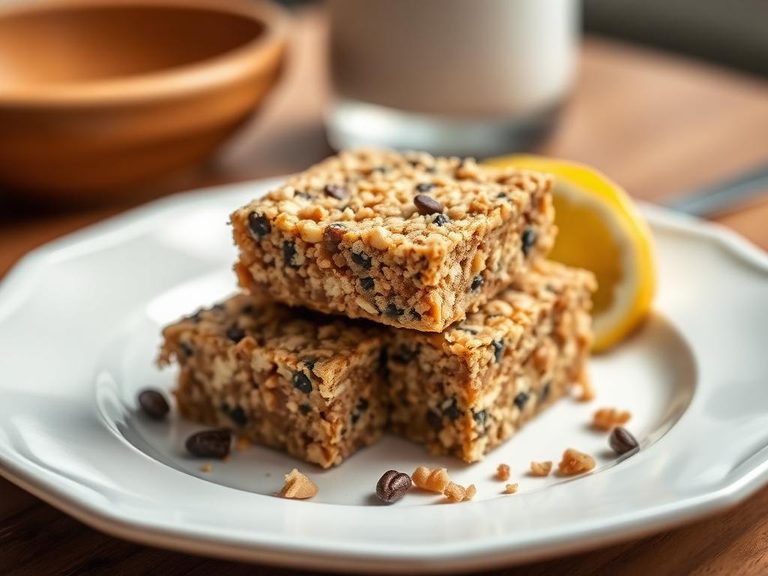
Weetabix flapjacks or energy bars are a popular, no-bake snack made primarily from crushed Weetabix cereal, oats, and a binding agent like honey, syrup, or nut butter. They are a common homemade treat in the UK and Australia, often customized with additions like dried fruit, seeds, or chocolate chips. The dish is a convenient, portable energy-boosting snack.
🍽️ Nutrition at a glance
These bars are typically high in carbohydrates and fiber, providing a sustained energy release, with moderate fat depending on the binding ingredients. A single bar generally offers a good source of iron and B vitamins from the fortified cereal, with a rough calorie range of 200-300 kcal per serving.
Nutrition breakdown
| Calories | 210 kcal |
| Protein | 3.5 g |
| Carbs | 32 g |
| Fat | 8 g |
| Fiber | 2.5 g |
| Sugar | 14 g |
| Sodium | 100 mg |
| Iron | 2.5 mg |
| Magnesium | 40 mg |
| Phosphorus | 80 mg |
| Zinc | 1.0 mg |
| Copper | 0.2 mg |
| Manganese | 1.2 mg |
| Thiamin (B1) | 0.3 mg |
| Niacin (B3) | 2.5 mg |
Per 1 bar (50 g) · estimated, varies by recipe
💡 What's interesting
Culturally, they represent a classic 'tuck shop' or lunchbox staple in British and Australian schools, embodying a simple, wholesome approach to snacking. Nutritionally, they are interesting for using a fortified breakfast cereal as a primary ingredient, which significantly boosts their micronutrient profile compared to standard flapjacks.