

Toast

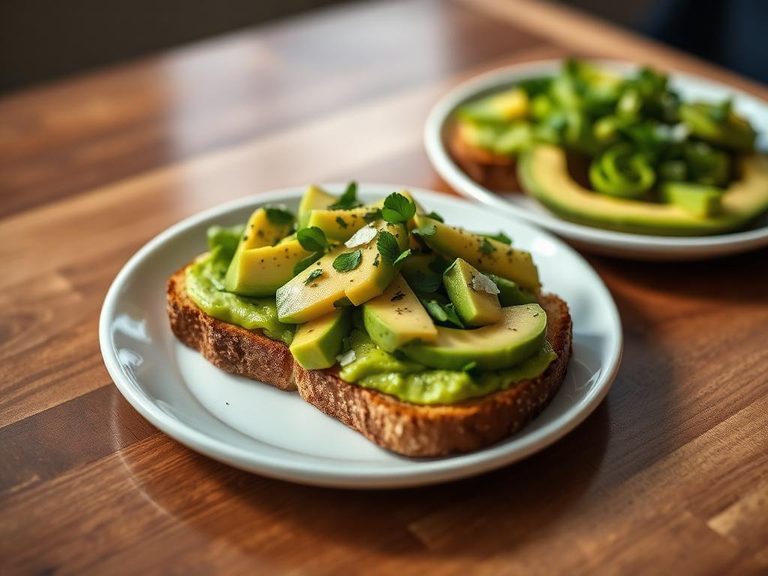
Toast is a simple yet beloved dish made by browning slices of bread through direct heat, often in a toaster or oven. Originating from the practice of toasting bread to extend its shelf life, it has become a global staple, with variations ranging from plain slices to elaborate toppings like avocado, eggs, or cheese. Its origins trace back to ancient civilizations, but modern toast is a cornerstone of breakfasts and snacks worldwide.
🍳 View the full Toast recipe →
🍽️ Nutrition at a glance
Toast is typically high in carbohydrates, providing quick energy, with a medium slice containing about 70-100 calories. Depending on the bread type, it can offer fiber, B vitamins, and iron, but is often low in protein and fat unless paired with toppings.
Nutrition breakdown
| Calories | 75 kcal |
| Protein | 2.5 g |
| Carbs | 13 g |
| Fat | 1 g |
| Fiber | 0.6 g |
| Sugar | 1.5 g |
| Sodium | 150 mg |
| Iron | 1.0 mg |
| Thiamin (B1) | 0.1 mg |
| Niacin (B3) | 1.5 mg |
| Folate | 25 µg |
| Calcium | 40 mg |
| Magnesium | 8 mg |
| Phosphorus | 35 mg |
| Selenium | 7 µg |
Per 1 slice (approx. 28 g) · estimated, varies by recipe
💡 What's interesting
Culturally, toast symbolizes comfort and simplicity, often associated with morning routines or hospitality, as in the phrase 'to toast someone's health.' Nutritionally, toasting bread can lower its glycemic index slightly, making it a more sustained energy source compared to untoasted bread.
🍽️ Related dishes





AI estimate may be inaccurate · Terms