

Sweet and Sour Spare Ribs

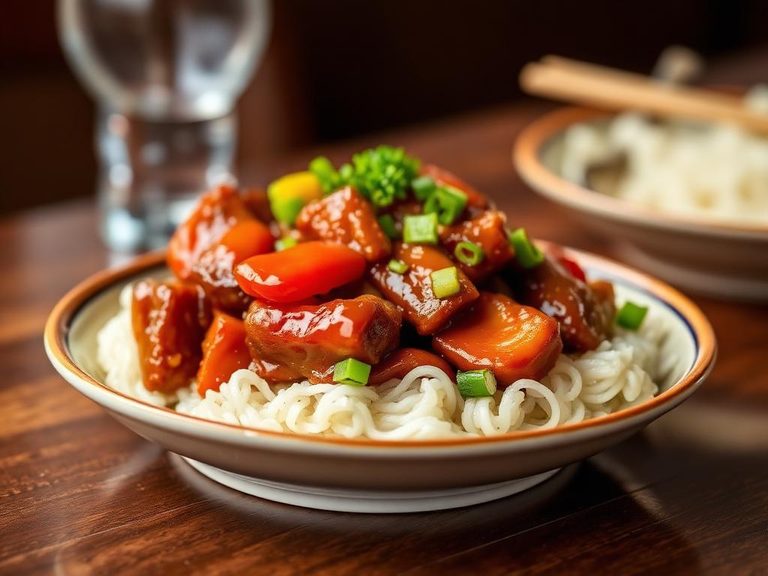
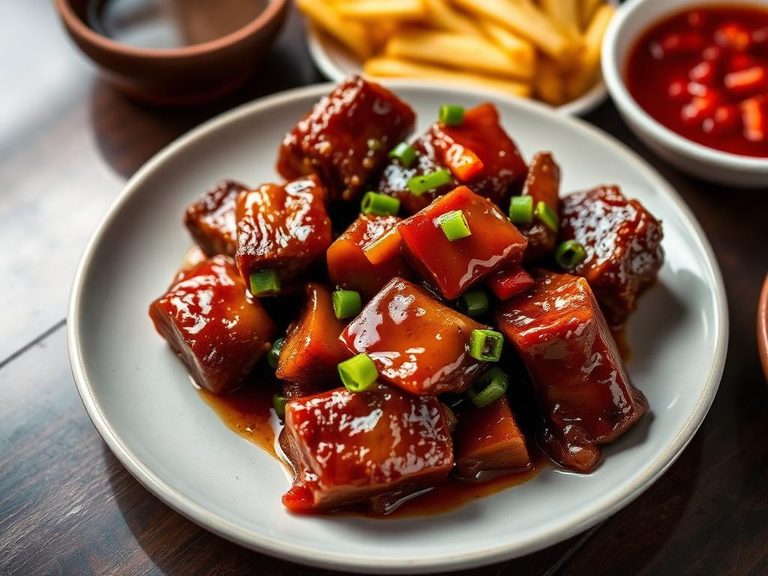
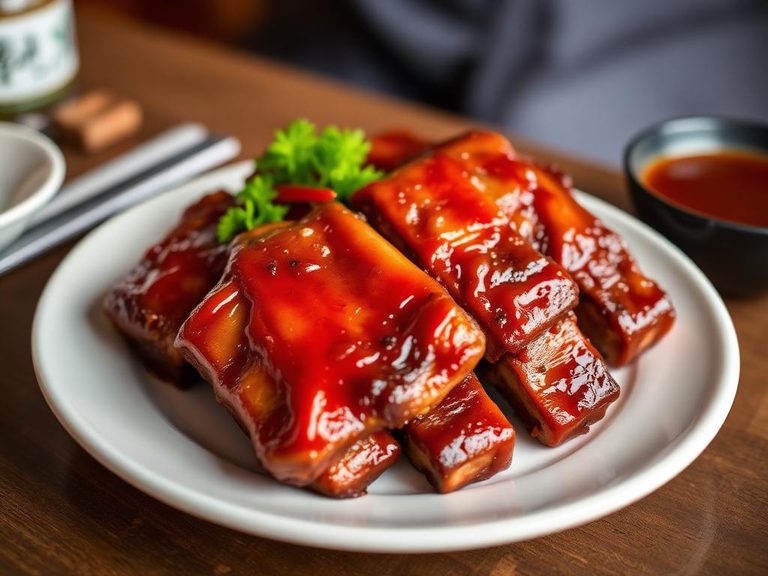
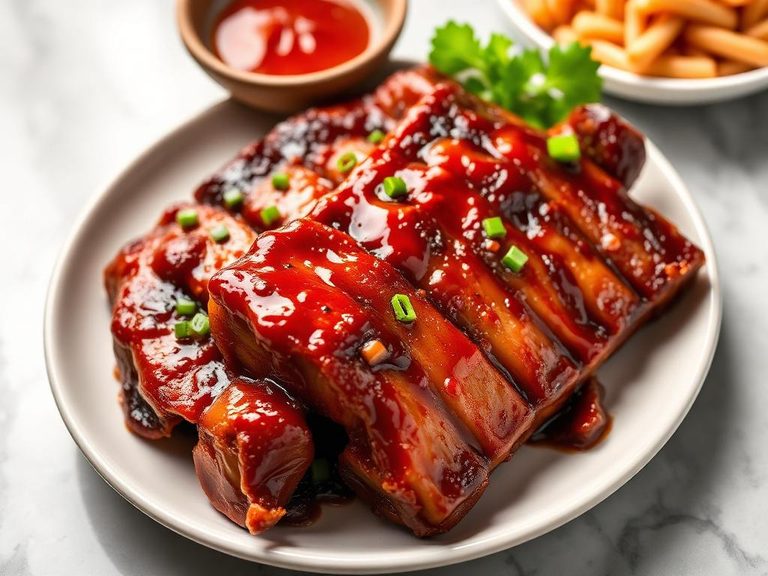
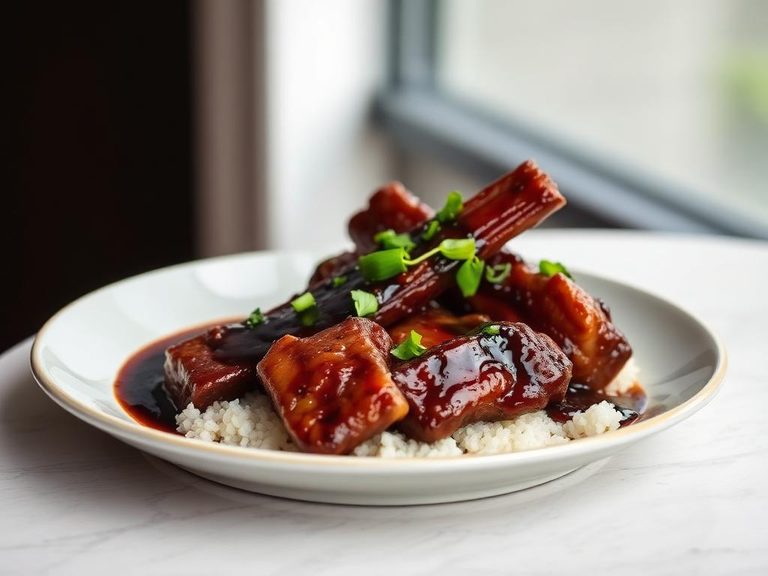
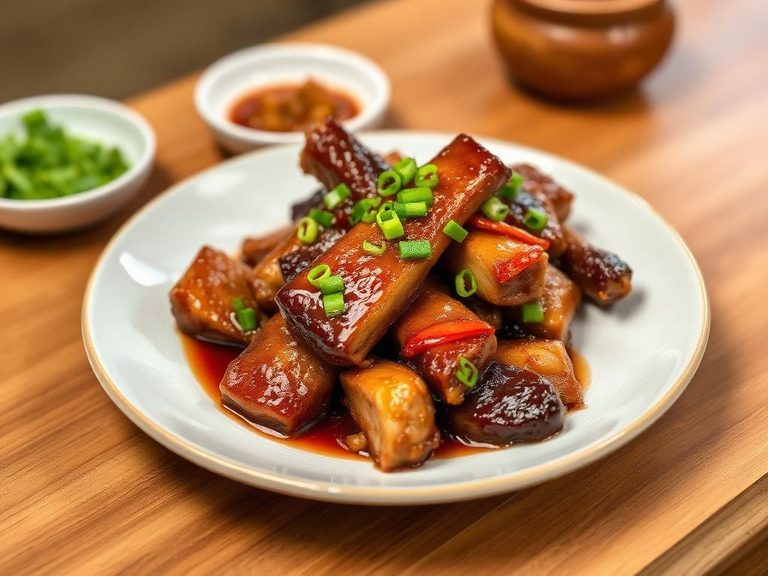
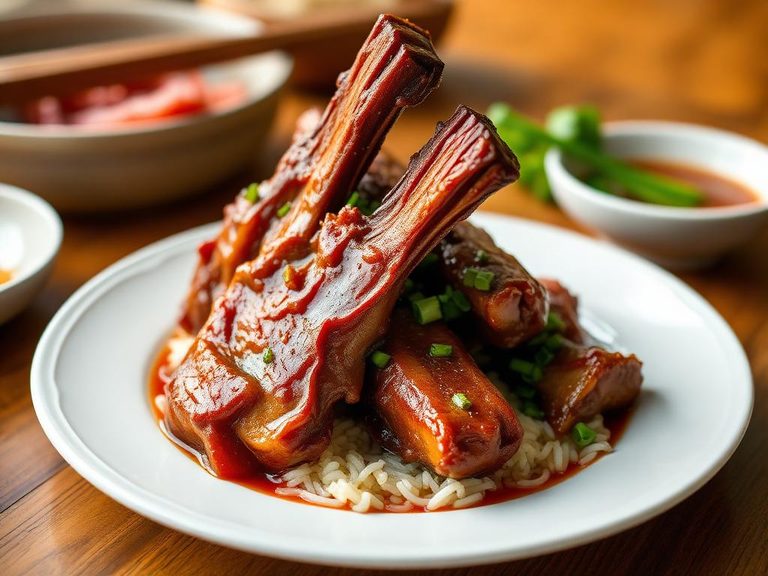
Sweet and Sour Spare Ribs is a classic Chinese dish, particularly popular in Cantonese and Huaiyang cuisines, featuring tender pork ribs glazed in a vibrant, tangy-sweet sauce. The sauce typically combines vinegar, sugar, soy sauce, and sometimes ketchup or fruit juices, creating a glossy coating on the meat. It's a beloved staple in both home cooking and restaurant menus across China and Chinese diaspora communities.
🍳 View the full Sweet and Sour Spare Ribs recipe →
🍽️ Nutrition at a glance
This dish is high in protein from the pork ribs and moderate in fat, with the sauce contributing significant carbohydrates from sugar and sometimes thickeners. A typical serving provides a good source of iron, zinc, and B vitamins, though the calorie count can range from 300-500 per serving depending on the cut of meat and sauce sweetness.
Nutrition breakdown
| Calories | 450 kcal |
| Protein | 22 g |
| Carbs | 35 g |
| Fat | 24 g |
| Fiber | 1 g |
| Sugar | 28 g |
| Sodium | 850 mg |
| Iron | 2.5 mg |
| Zinc | 4.0 mg |
| Potassium | 350 mg |
| Phosphorus | 180 mg |
| Vitamin B12 | 1.2 mcg |
| Niacin (B3) | 5.0 mg |
| Selenium | 20 mcg |
| Copper | 0.3 mg |
Per 1 cup (240 g) · estimated, varies by recipe
💡 What's interesting
Sweet and Sour Spare Ribs exemplifies the Chinese culinary principle of balancing flavors (sweet, sour, savory) and textures, with the 'red' color from the sauce symbolizing good fortune in Chinese culture. Nutritionally, the vinegar in the sauce may aid in tenderizing the meat and enhancing mineral absorption, making it a dish where flavor and practical cooking science intersect.
🍽️ Related dishes
AI estimate may be inaccurate · Terms