

Spring Roll Filling
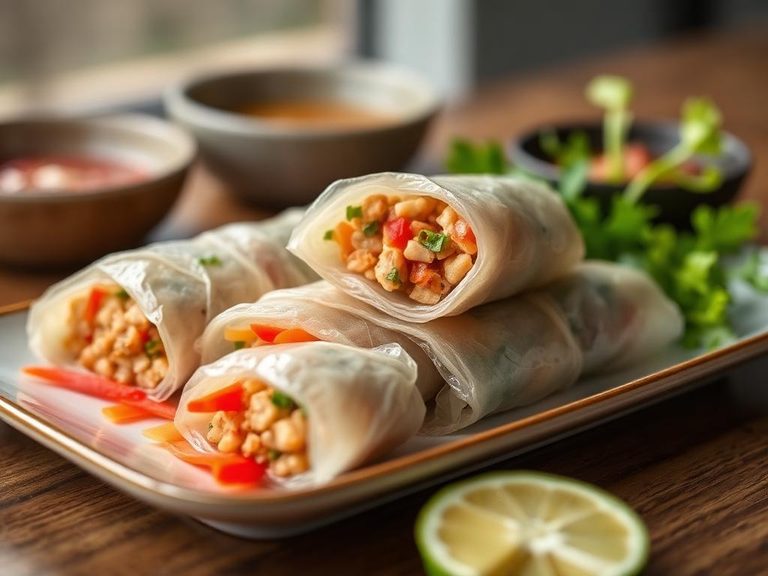
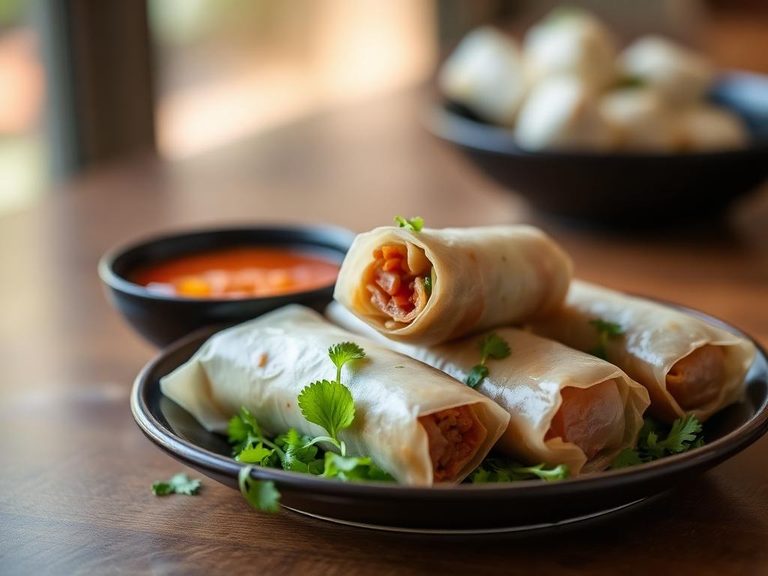
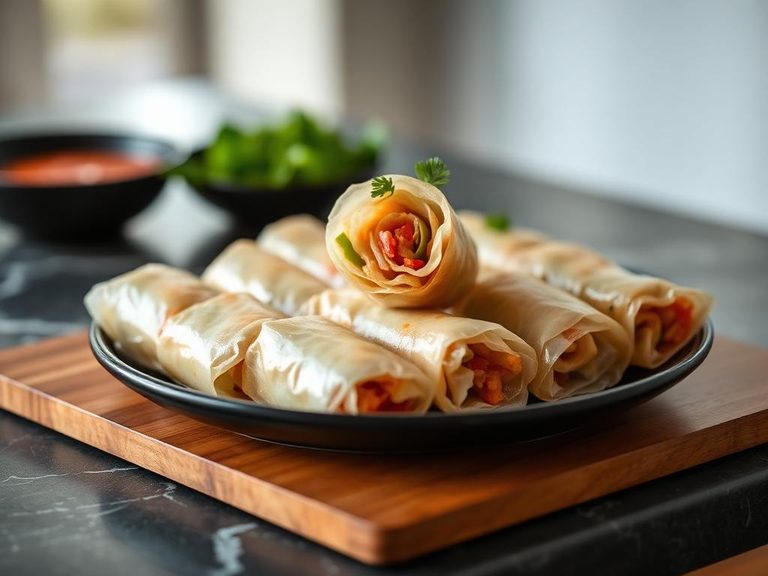
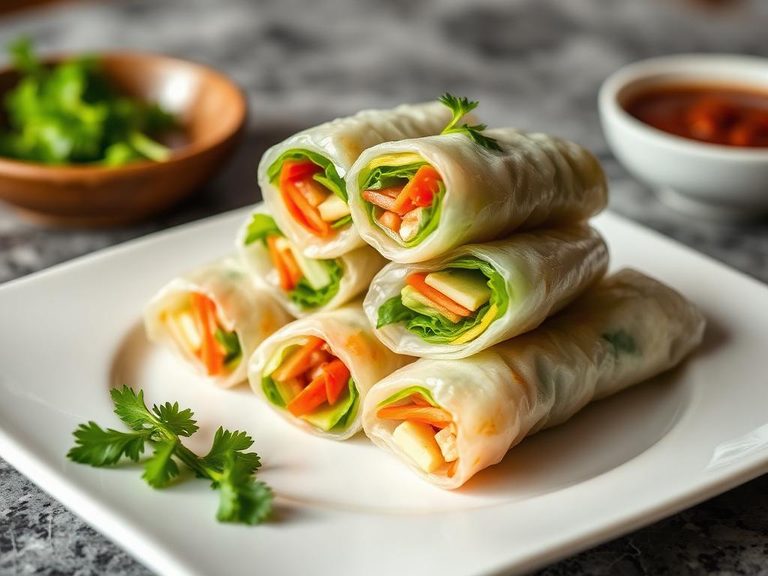
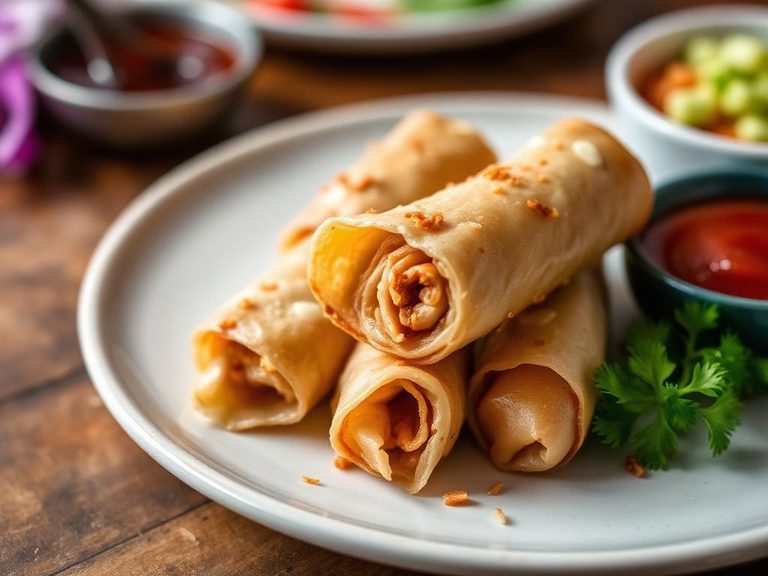
Spring roll filling is a savory mixture used as the core ingredient in the popular East Asian dish, spring rolls. It typically features finely shredded vegetables like cabbage and carrots, combined with protein sources such as minced pork, shrimp, or tofu, all seasoned with soy sauce, ginger, and garlic. This versatile filling is wrapped in a thin pastry skin and can be steamed, baked, or fried, originating from China and now enjoyed across many Asian cuisines.
🍽️ Nutrition at a glance
Spring roll filling is generally balanced, offering a good mix of carbohydrates from vegetables and protein from meat or tofu, with moderate fat depending on preparation. It provides key nutrients like vitamin C, vitamin K, and iron, and a typical serving contains around 150-200 calories.
Nutrition breakdown
| Calories | 170 kcal |
| Protein | 12 g |
| Carbs | 15 g |
| Fat | 7 g |
| Fiber | 4 g |
| Sugar | 5 g |
| Sodium | 450 mg |
| Vitamin C | 15 mg |
| Vitamin K | 30 mcg |
| Iron | 2 mg |
| Potassium | 350 mg |
| Calcium | 50 mg |
| Vitamin A | 80 mcg |
| Magnesium | 25 mg |
| Phosphorus | 120 mg |
Per 1 cup (150 g) · estimated, varies by recipe
💡 What's interesting
Culturally, spring roll fillings symbolize prosperity and renewal in Chinese traditions, often served during Lunar New Year. Nutritionally, the vegetable-heavy composition makes it a fiber-rich option that can be adapted to various dietary preferences, from vegan to high-protein versions.
🍽️ Related dishes

AI estimate may be inaccurate · Terms