

Spa water
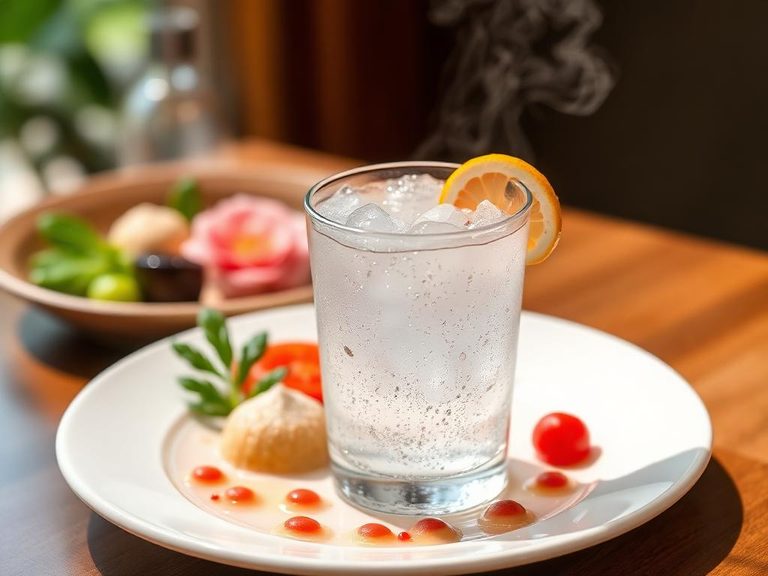
Spa water, also known as infused water or detox water, is a refreshing beverage made by steeping fresh fruits, herbs, and sometimes vegetables in cold water. Common ingredients include combinations like cucumber and mint, lemon and ginger, or berries and basil, creating a naturally flavored drink without added sugars. While its origins are tied to the wellness and spa culture of the late 20th century, the practice of infusing water for flavor has roots in various global traditions.
🍳 View the full Spa water recipe →
🍽️ Nutrition at a glance
Spa water is virtually calorie-free and contains no significant carbohydrates, fat, or protein, as the infusion process extracts minimal nutrients from the ingredients. The key benefit is hydration, enhanced by trace amounts of vitamins (like vitamin C from citrus) and antioxidants from the fruits and herbs, making it a zero-calorie alternative to sugary drinks.
Nutrition breakdown
| Calories | 2 kcal |
| Protein | 0.1 g |
| Carbs | 0.5 g |
| Fat | 0 g |
| Fiber | 0 g |
| Sugar | 0.2 g |
| Sodium | 10 mg |
| Potassium | 30 mg |
| Magnesium | 5 mg |
| Calcium | 15 mg |
| Vitamin C | 2 mg |
| Phosphorus | 10 mg |
| Zinc | 0.1 mg |
| Iron | 0.1 mg |
| Manganese | 0.05 mg |
Per 1 cup (240 g) · estimated, varies by recipe
💡 What's interesting
Culturally, spa water represents a modern wellness trend that promotes hydration through natural, aesthetically pleasing ingredients, often used in spas and health-conscious settings. Nutritionally, it's unique because it encourages water intake by adding subtle flavors without the downsides of artificial sweeteners or calories, supporting overall wellness goals.
🍽️ Related dishes
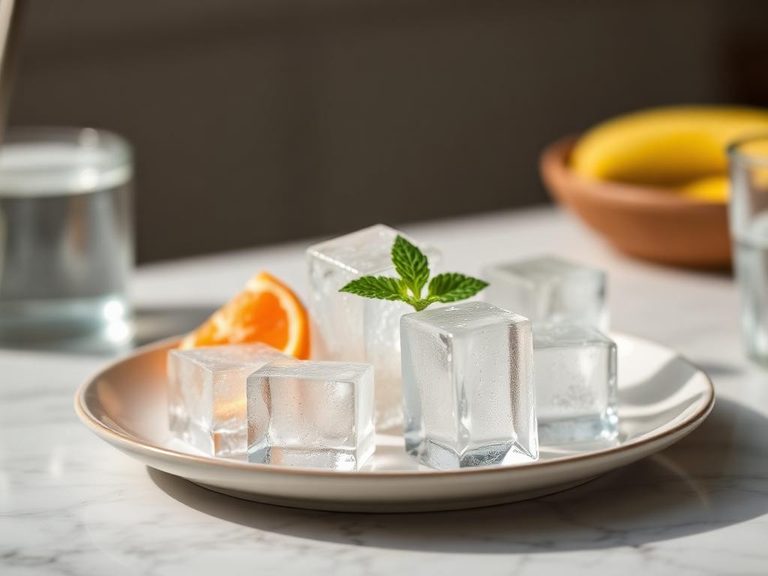 For making sparkling water ice cubes
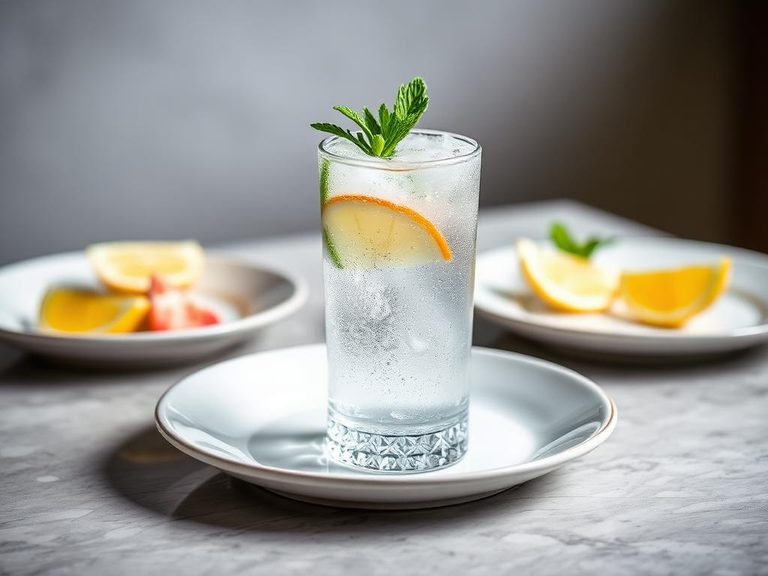 Sparkling Water Spritzer
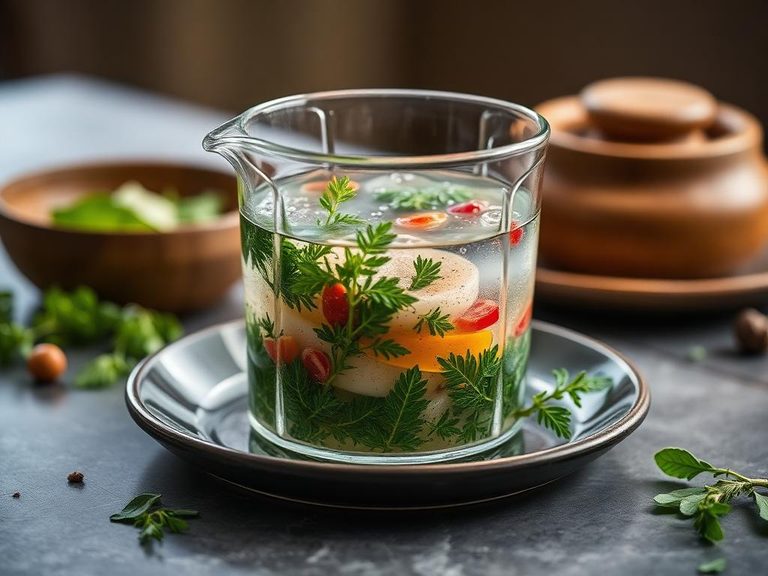 Blending with fresh herbs for spa water
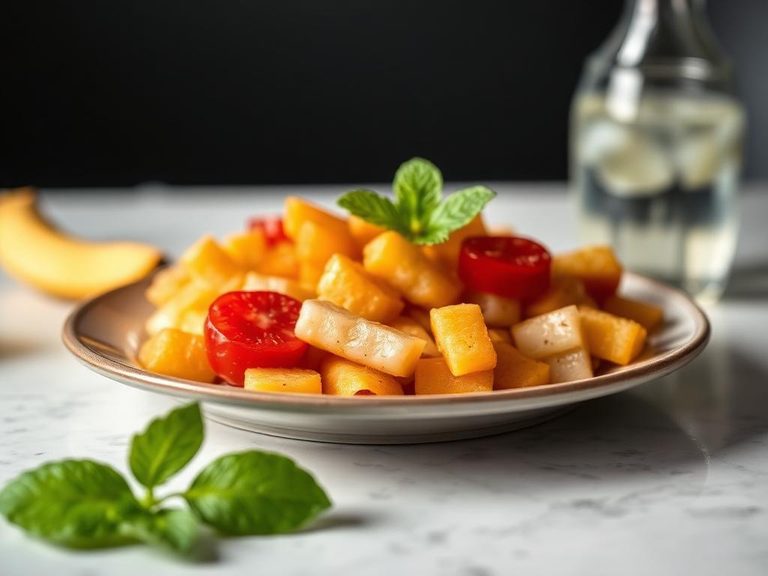 Diluted with sparkling water for a homemade soda alternative.
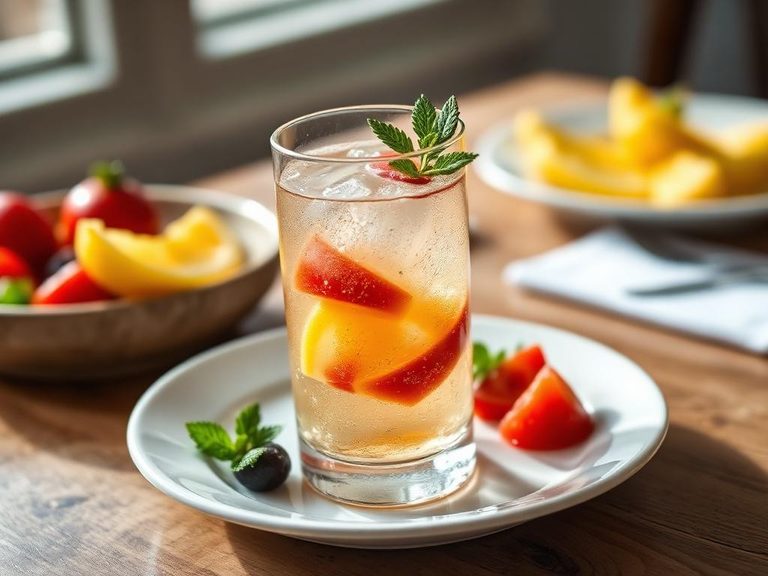 Mixed into sparkling water for a spritzer
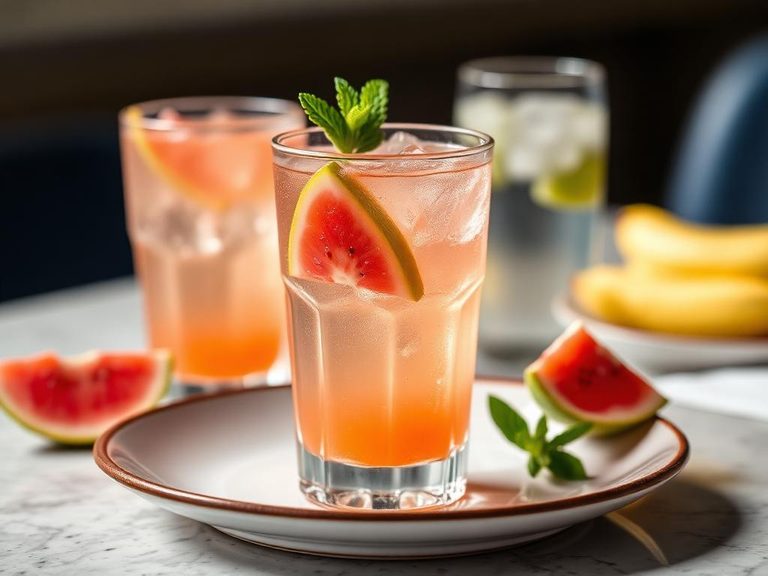 Roteiro—a layered drink combining guava nectar with ginger and sparkling water
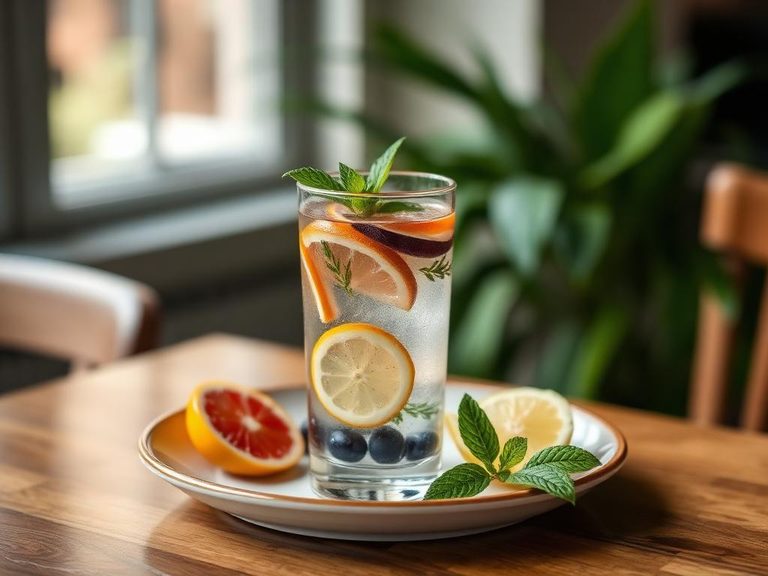 Infused Water
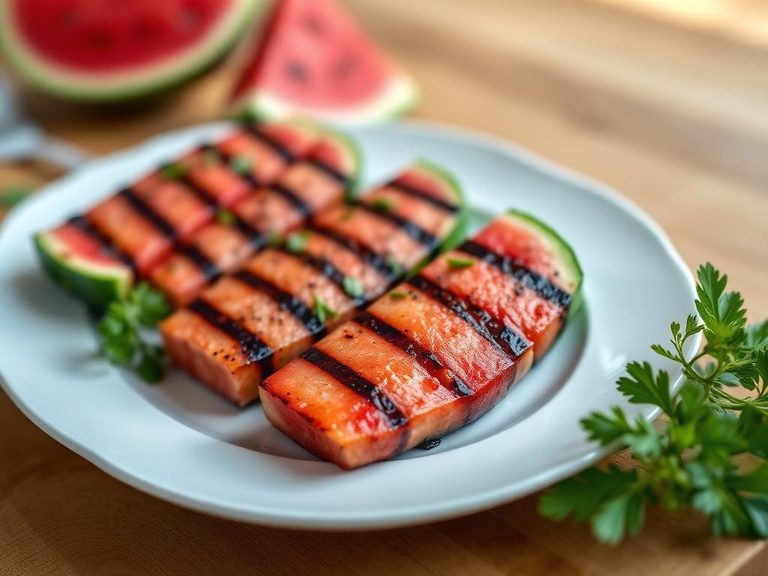 Grilled Watermelon Steaks
AI estimate may be inaccurate · Terms