

Prepared as a 'top-up' feed
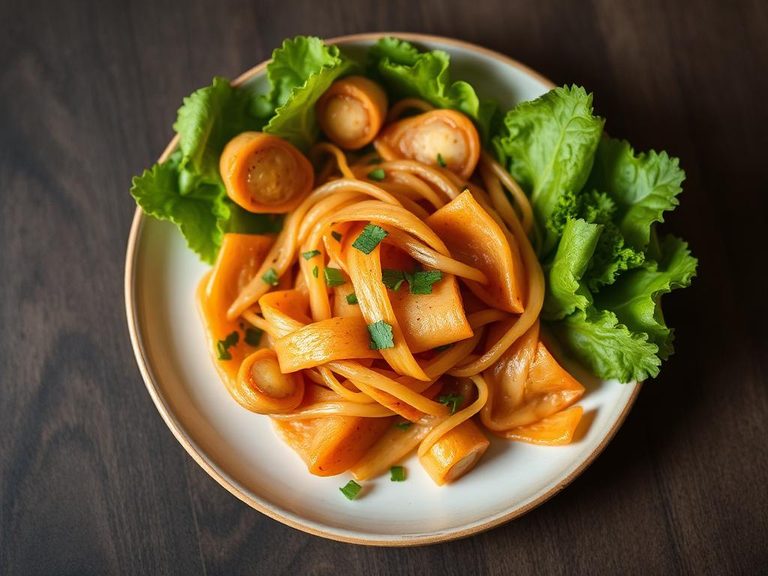
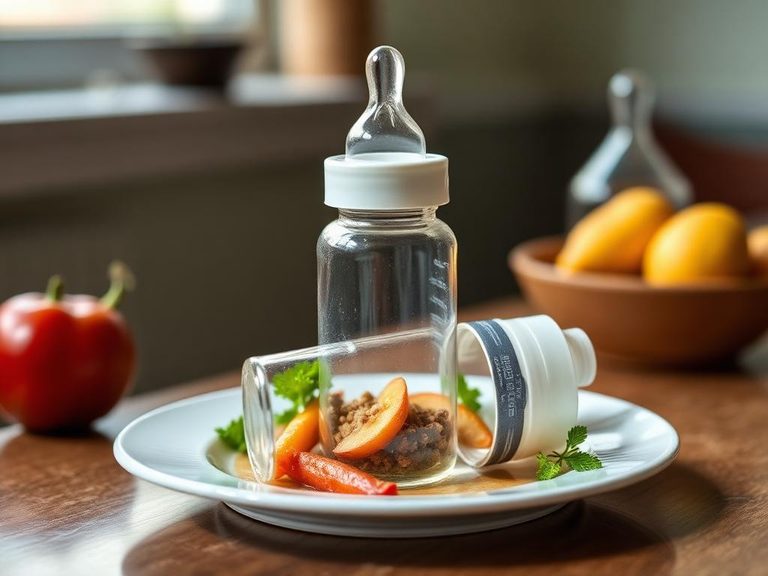
Prepared as a 'top-up' feed is a concept rather than a specific dish, referring to supplemental, nutrient-dense foods given to infants or young children between main meals to boost energy and nutrient intake. It typically consists of soft, mashed, or pureed ingredients like fortified cereals, mashed banana, avocado, or sweet potato, often mixed with breast milk or formula. This practice is common in many cultures worldwide as part of complementary feeding.
🍽️ Nutrition at a glance
A top-up feed is generally designed to be calorie-dense and nutrient-rich, often high in carbohydrates for energy and may include healthy fats and protein depending on the ingredients. It provides essential nutrients like iron, zinc, and vitamins to support growth, with a rough calorie ballpark of 100-200 kcal per small serving.
Nutrition breakdown
| Calories | 150 kcal |
| Protein | 3 g |
| Carbs | 25 g |
| Fat | 4 g |
| Fiber | 3 g |
| Sugar | 8 g |
| Sodium | 30 mg |
| Iron | 2 mg |
| Zinc | 1.5 mg |
| Vitamin A | 120 mcg |
| Vitamin C | 15 mg |
| Calcium | 80 mg |
| Potassium | 200 mg |
| Folate | 40 mcg |
| Vitamin B6 | 0.2 mg |
Per 1 small bowl (150 g) · estimated, varies by recipe
💡 What's interesting
What's culturally unique is that the concept of 'top-up' feeding is highly adaptable, reflecting local staple foods—from rice porridge in Asia to maize-based mixtures in Africa—making it a global practice tailored to regional diets and nutritional needs.
🍽️ Related dishes

AI estimate may be inaccurate · Terms