Potato Dumplings (Klöße)
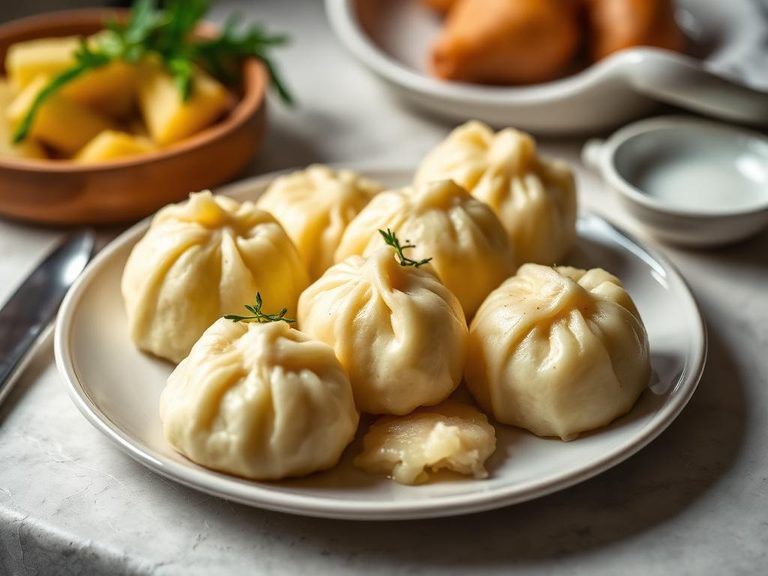
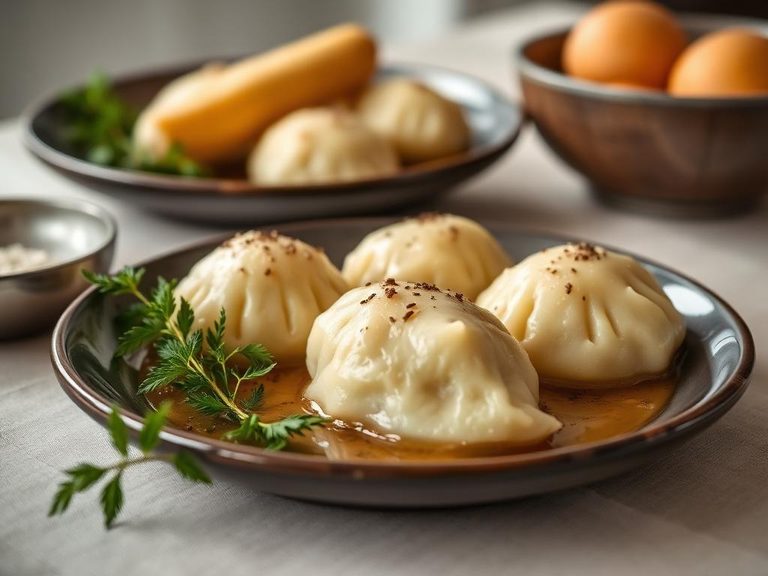
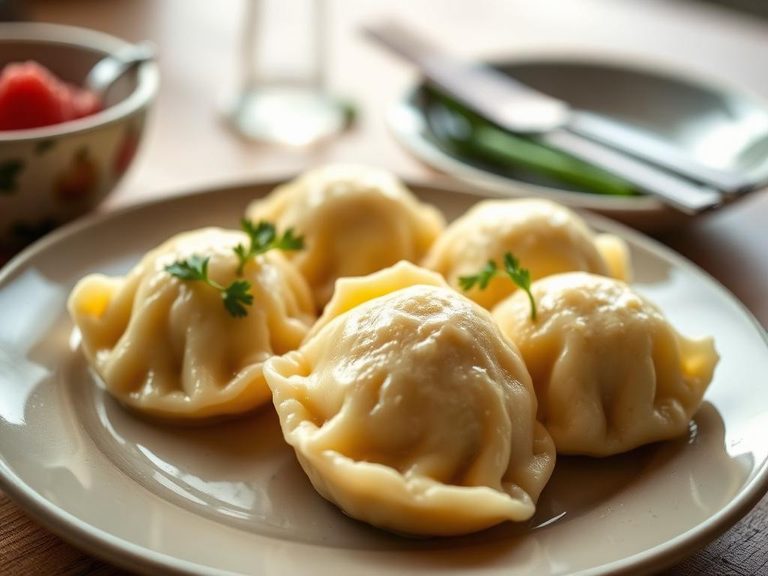
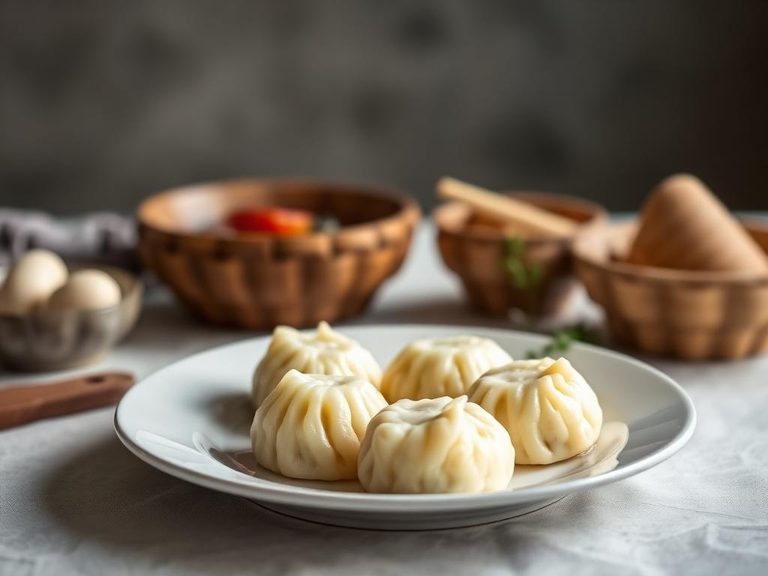
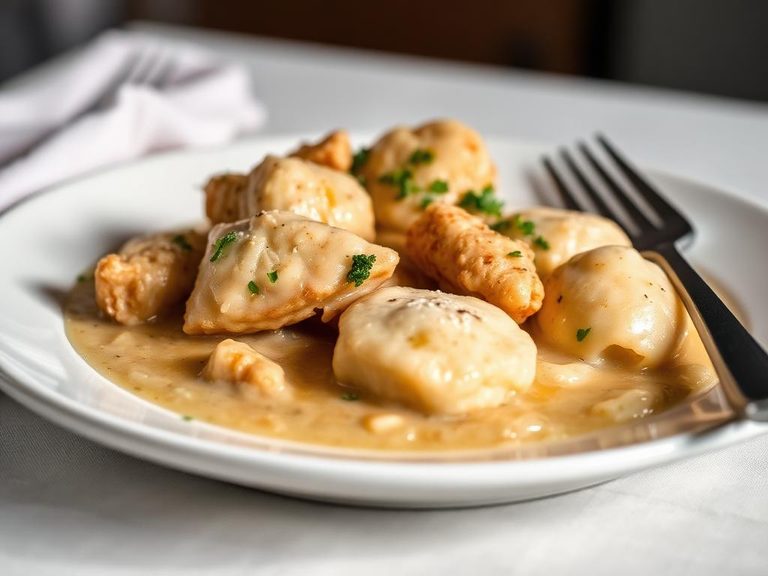
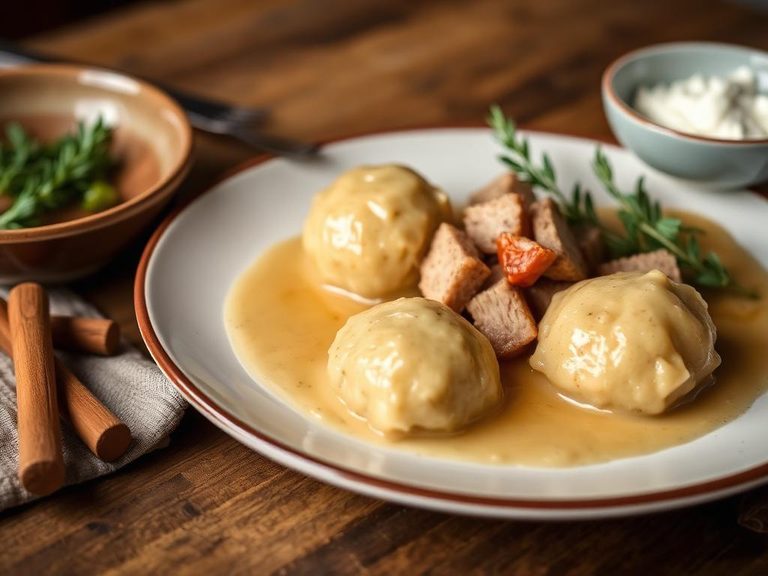
Potato dumplings, known as Klöße or Knödel in German-speaking regions, are a beloved side dish made primarily from grated or riced potatoes, often combined with a small amount of flour or potato starch to bind them. Originating in Central Europe, particularly Germany, they are a staple of traditional cuisine, often served alongside rich, savory dishes like roasted meats or stews.
🍽️ Nutrition at a glance
Klöße are high in carbohydrates from the potatoes, with a moderate amount of fat depending on preparation (like butter or oil) and minimal protein. A typical serving of about two medium dumplings provides roughly 200-300 calories, offering key nutrients like potassium and vitamin C from the potatoes.
Nutrition breakdown
| Calories | 210 kcal |
| Protein | 4.5 g |
| Carbs | 38 g |
| Fat | 4 g |
| Fiber | 2.5 g |
| Sugar | 1 g |
| Sodium | 480 mg |
| Potassium | 420 mg |
| Phosphorus | 95 mg |
| Vitamin C | 12 mg |
| Thiamin (B1) | 0.1 mg |
| Niacin (B3) | 2.1 mg |
| Iron | 1.2 mg |
| Magnesium | 28 mg |
| Folate | 22 mcg |
Per 4 dumplings (approx. 200 g) · estimated, varies by recipe
💡 What's interesting
Culturally, Klöße are a symbol of hearty German comfort food, with regional variations that can include ingredients like bread cubes or herbs, reflecting local traditions. Nutritionally, they showcase the potato's versatility as a starchy base, but their dense, filling nature makes them a classic example of how traditional dishes prioritize sustenance and flavor.