

Popsicles / Ice Pops
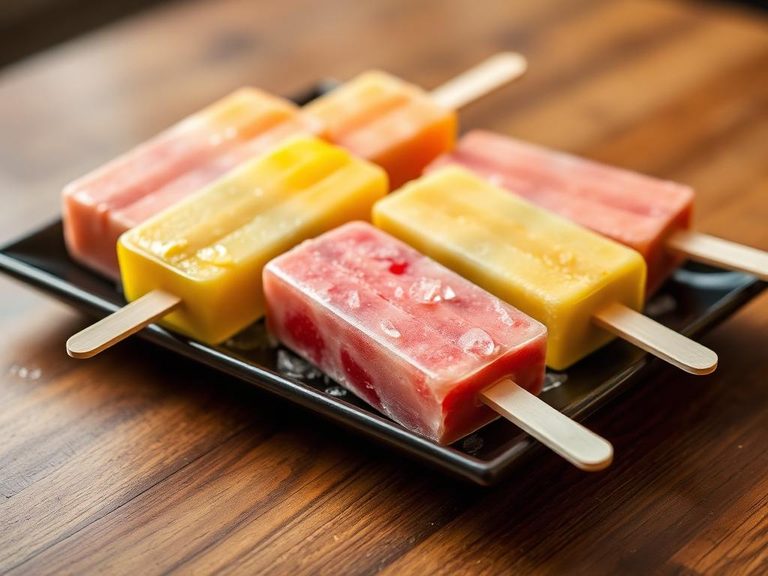
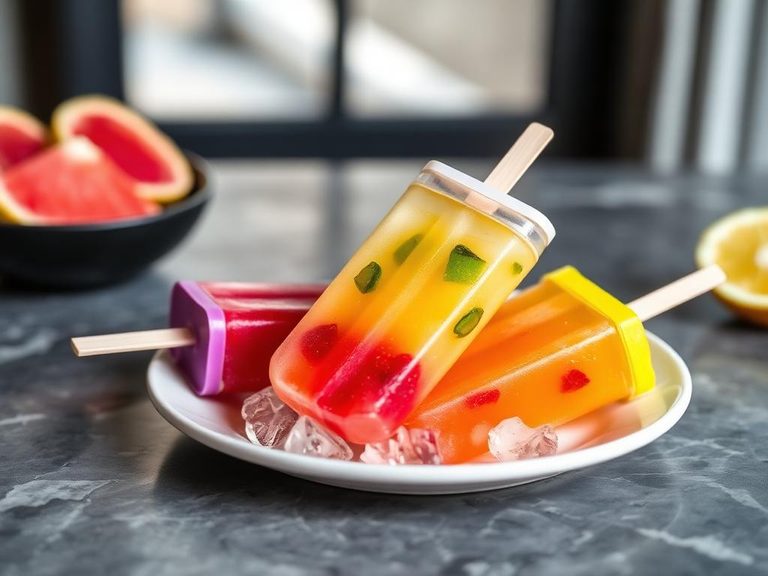
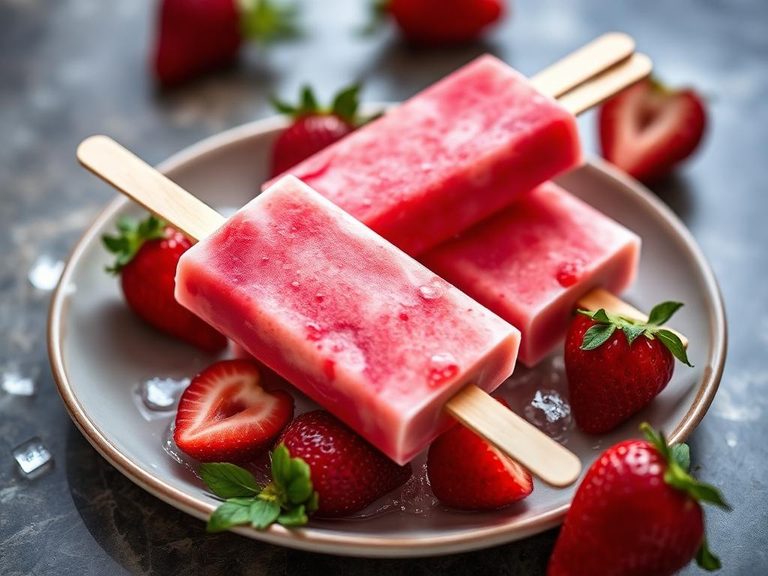
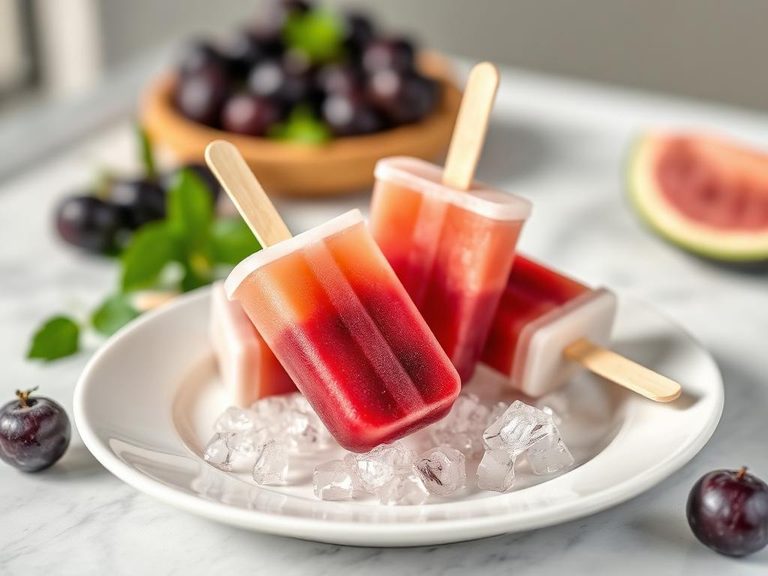
Popsicles, also known as ice pops, are frozen treats typically made from flavored water, fruit juice, or pureed fruit, often sweetened with sugar or corn syrup. They originated in the United States in the early 20th century and are a popular, refreshing snack enjoyed worldwide, especially in warm weather.
🍽️ Nutrition at a glance
Popsicles are generally high in carbohydrates, primarily from sugars, with negligible fat and protein. They provide minimal essential nutrients, though fruit-based varieties may offer small amounts of vitamins like vitamin C, and a typical serving contains around 50-80 calories.
Nutrition breakdown
| Calories | 60 kcal |
| Protein | 0 g |
| Carbs | 15 g |
| Fat | 0 g |
| Fiber | 0 g |
| Sugar | 14 g |
| Vitamin C | 5 mg |
| Calcium | 5 mg |
| Iron | 0.1 mg |
| Potassium | 20 mg |
| Magnesium | 2 mg |
| Phosphorus | 5 mg |
| Zinc | 0.05 mg |
| Copper | 0.01 mg |
Per 1 popsicle (70 g) · estimated, varies by recipe
💡 What's interesting
Culturally, popsicles are a nostalgic symbol of summer and childhood in many countries. Nutritionally, they are unique as a hydrating, low-fat snack, but their high sugar content makes them an occasional treat rather than a nutrient-dense food.
🍽️ Related dishes


AI estimate may be inaccurate · Terms