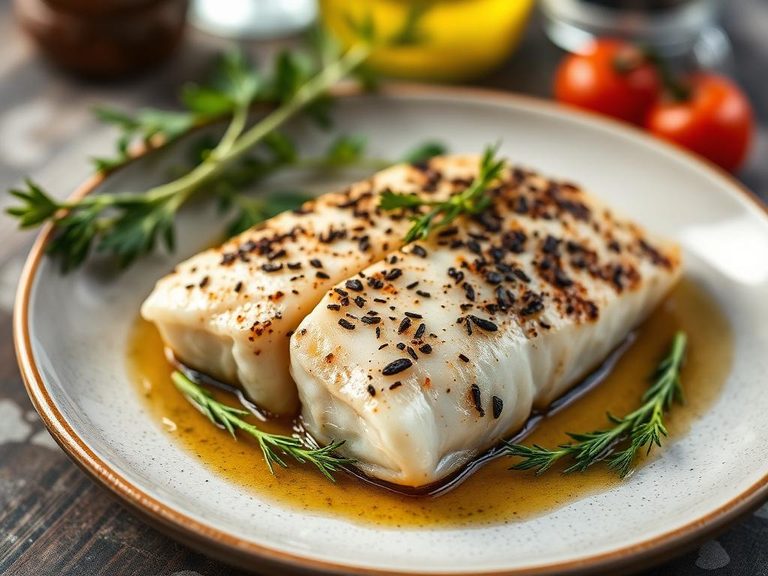
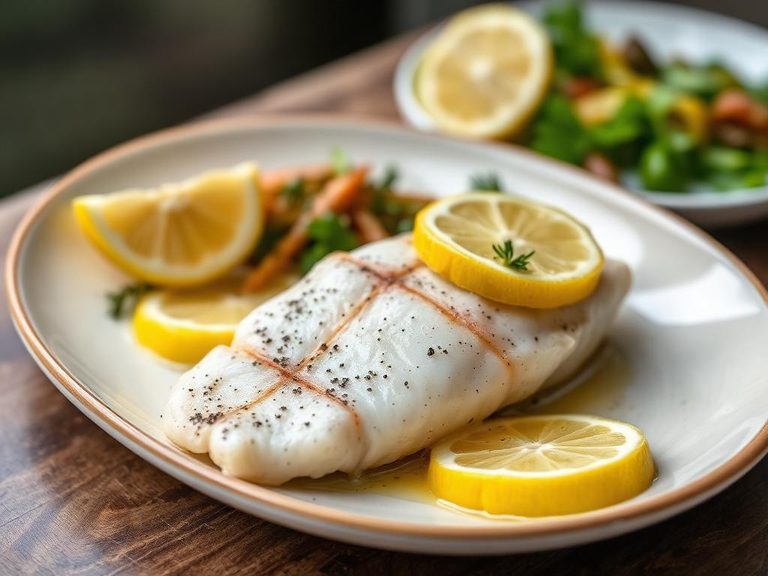
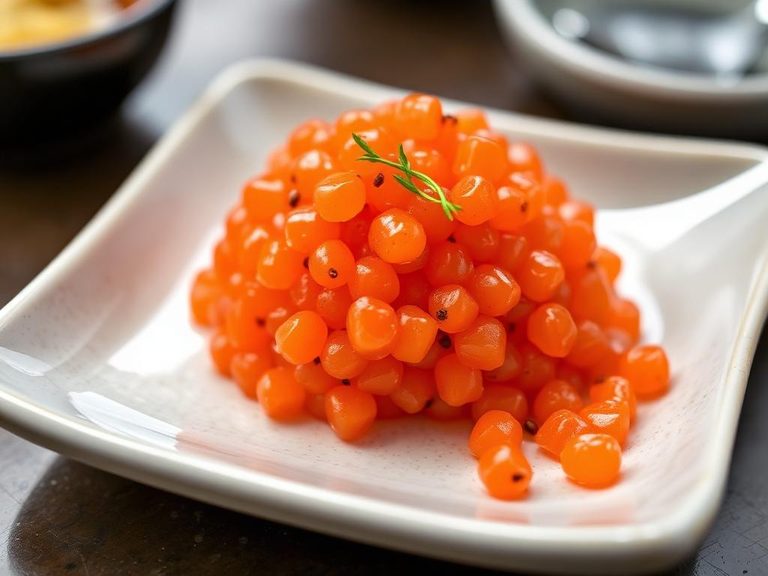
Pollock Roe (Milt)
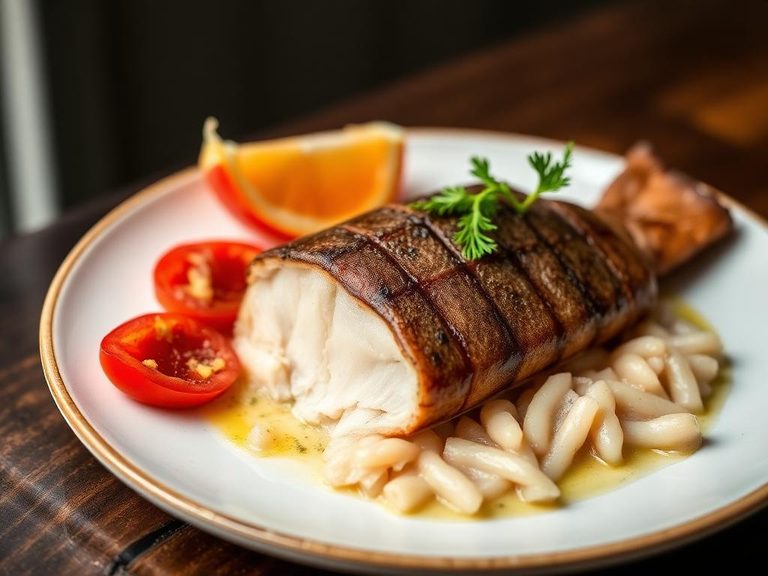
Pollock roe, also known as milt, is the sperm sacs from male pollock fish, commonly prepared by salt-curing, marinating, or lightly cooking. It has a creamy, briny flavor and is often served as a side dish, in sushi, or as a snack. This delicacy is particularly popular in East Asian cuisines, especially in Japan, Korea, and Russia.
🍽️ Nutrition at a glance
Pollock roe is high in protein and healthy fats, particularly omega-3 fatty acids, while being very low in carbohydrates. It's also a good source of vitamins B12 and D, as well as minerals like selenium and phosphorus, with a typical serving containing around 100-150 calories.
Nutrition breakdown
| Calories | 131 kcal |
| Protein | 23.6 g |
| Carbs | 1.5 g |
| Fat | 3 g |
| Fiber | 0 g |
| Sugar | 0 g |
| Sodium | 567 mg |
| Vitamin B12 | 13.8 mcg |
| Selenium | 44.5 mcg |
| Phosphorus | 380 mg |
| Vitamin C | 8.9 mg |
| Vitamin B2 (Riboflavin) | 0.2 mg |
| Vitamin B3 (Niacin) | 1.8 mg |
| Iron | 1.1 mg |
| Zinc | 1.1 mg |
Per 1 cup (148 g) · estimated, varies by recipe
💡 What's interesting
Culturally, pollock roe is celebrated as a seasonal winter delicacy in Japan, where it's known as 'shirako' and often served in hot pots or as a garnish. Nutritionally, it's unique for its exceptionally high concentration of DHA and EPA, making it a potent source of brain-boosting nutrients.