

Pizza crust
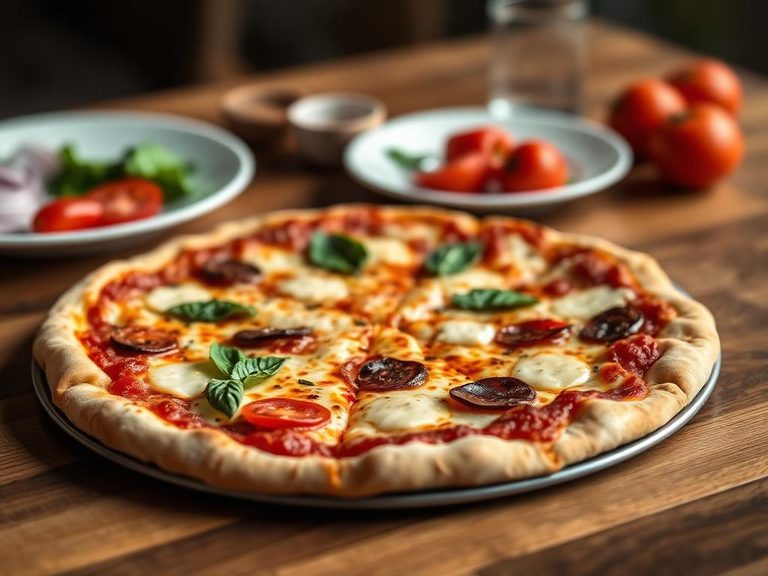
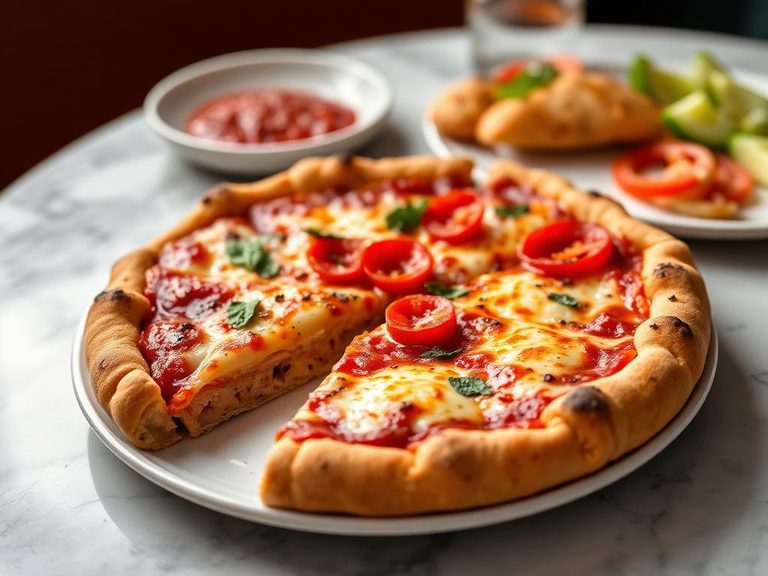
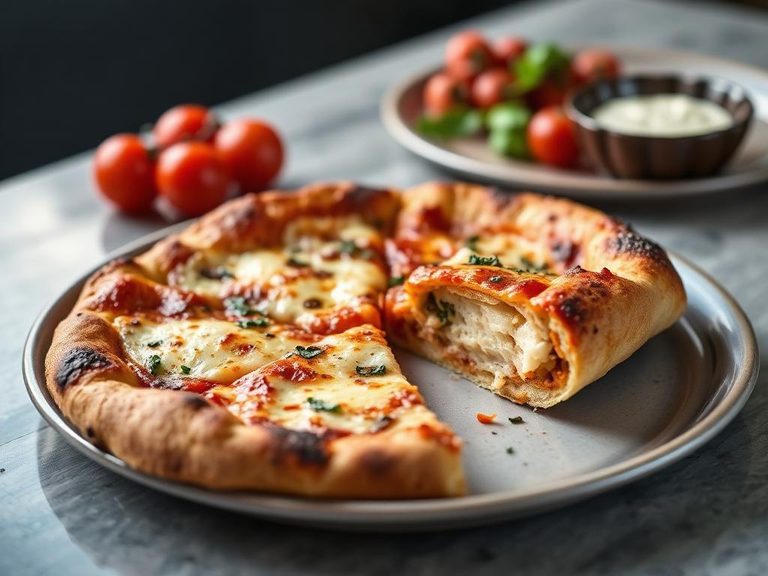
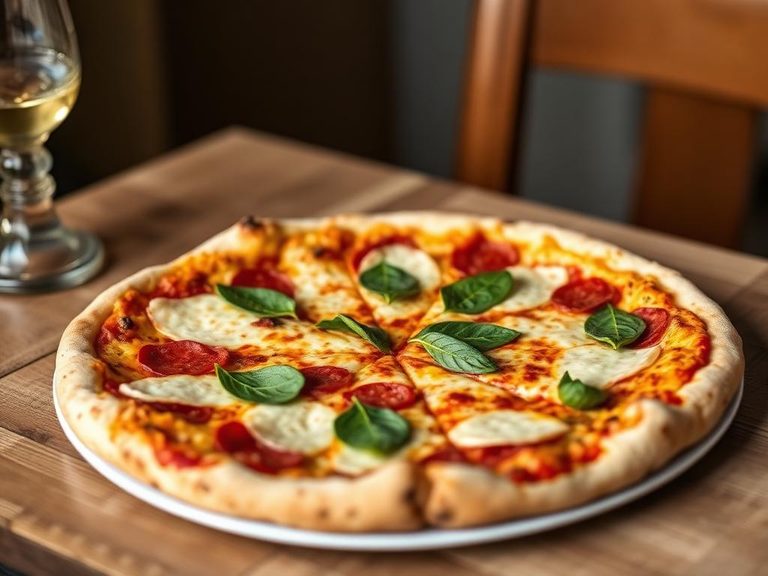
Pizza crust is the baked dough base that forms the foundation of a pizza, typically made from flour, water, yeast, salt, and a small amount of oil or sugar. Originating in Naples, Italy, it has become a global staple, with variations ranging from thin and crispy to thick and chewy. Its primary role is to provide structure and texture, complementing the toppings above.
🍽️ Nutrition at a glance
Pizza crust is primarily a source of carbohydrates, providing energy, with moderate amounts of protein from the flour and minimal fat unless enriched with oil or butter. A standard serving offers key nutrients like iron and B vitamins from enriched flour, with a rough calorie ballpark of 200-300 kcal per typical slice or piece.
Nutrition breakdown
| Calories | 266 kcal |
| Protein | 8.8 g |
| Carbs | 49.4 g |
| Fat | 3.6 g |
| Fiber | 2.4 g |
| Sugar | 2.8 g |
| Sodium | 492 mg |
| Iron | 3.5 mg |
| Thiamin (B1) | 0.5 mg |
| Niacin (B3) | 5.2 mg |
| Folate | 120 µg |
| Selenium | 22 µg |
| Manganese | 0.6 mg |
| Phosphorus | 95 mg |
| Magnesium | 22 mg |
Per 1 medium crust (about 100 g) · estimated, varies by recipe
💡 What's interesting
Culturally, pizza crust is deeply tied to Italian culinary tradition, where the quality of the dough is considered as important as the toppings, and it's often enjoyed as a separate element, like the prized 'cornicione' (raised edge). Nutritionally, its fermentation process with yeast can improve digestibility and add small amounts of beneficial compounds.
🍽️ Related dishes


AI estimate may be inaccurate · Terms