Pasteles de Masa
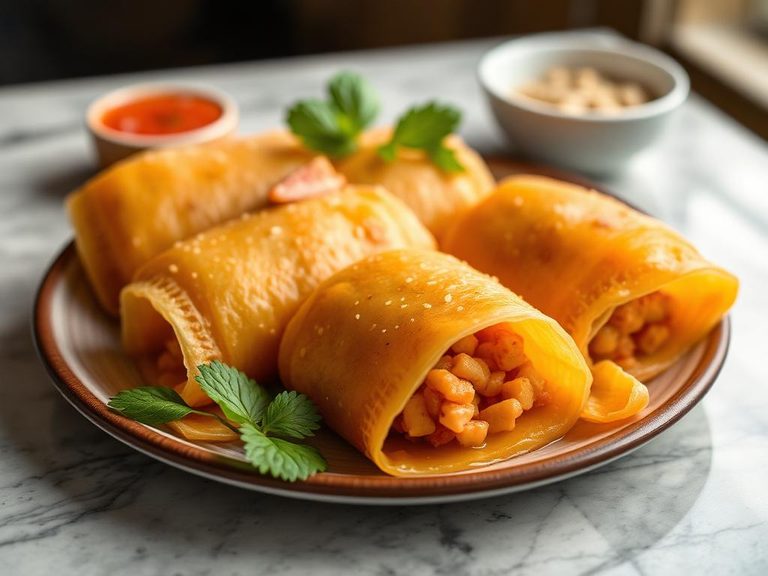
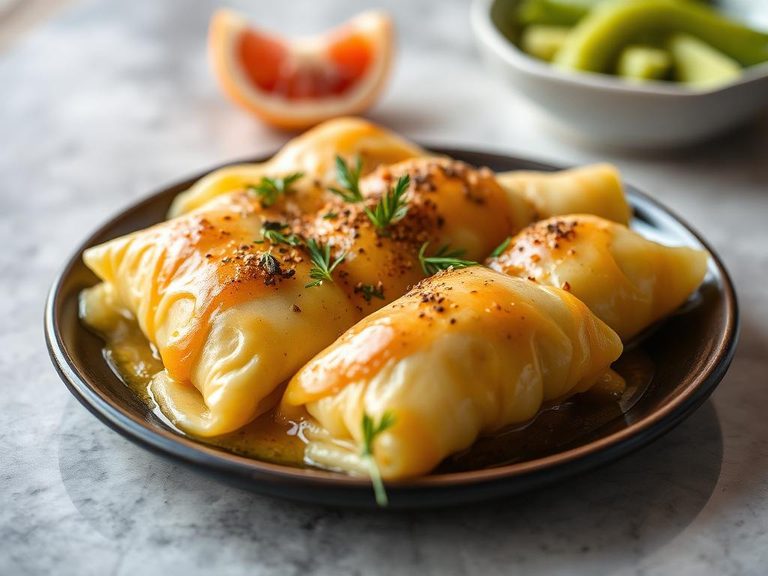
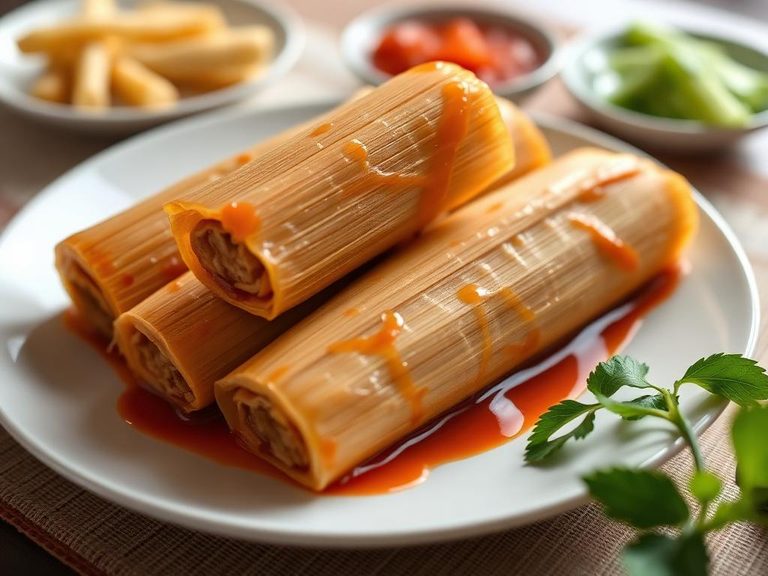
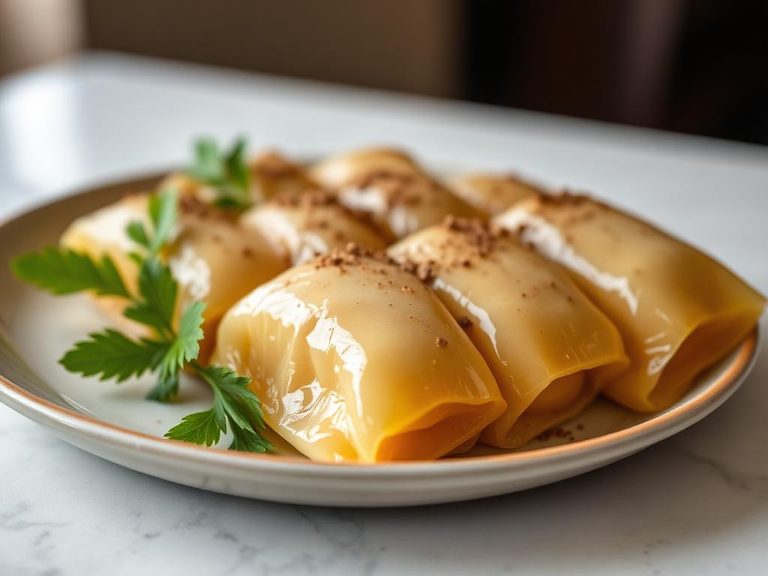
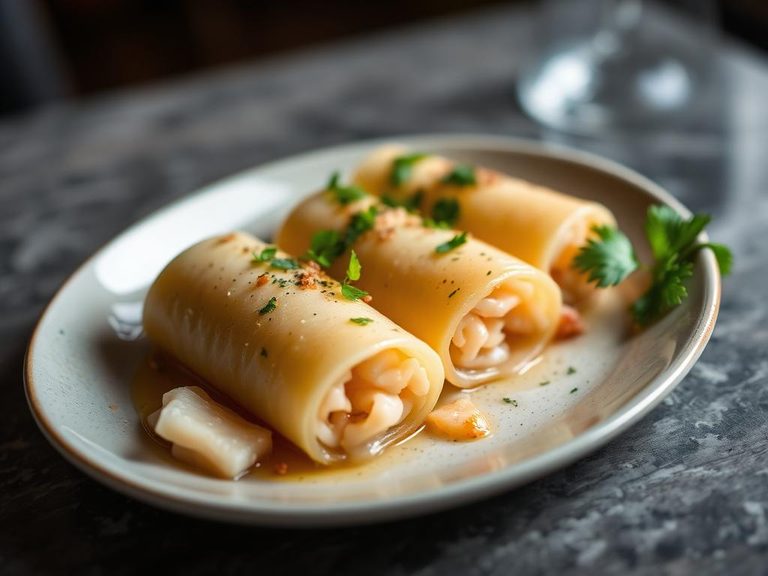
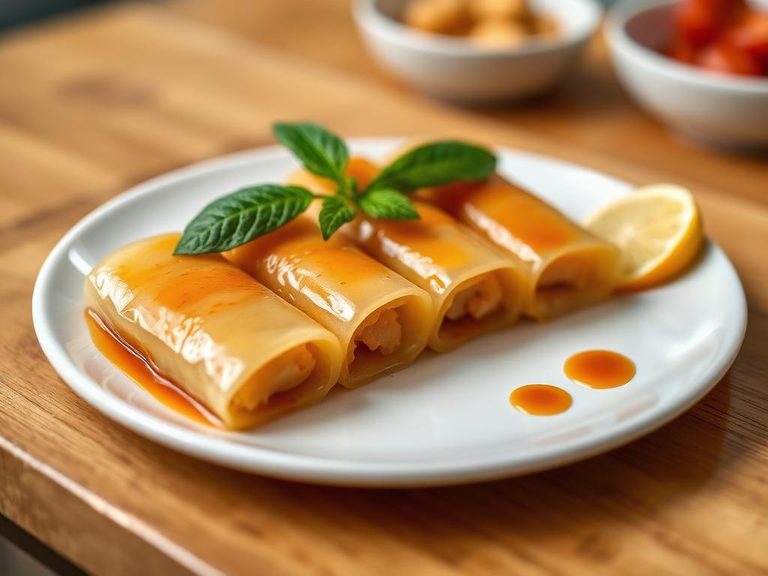
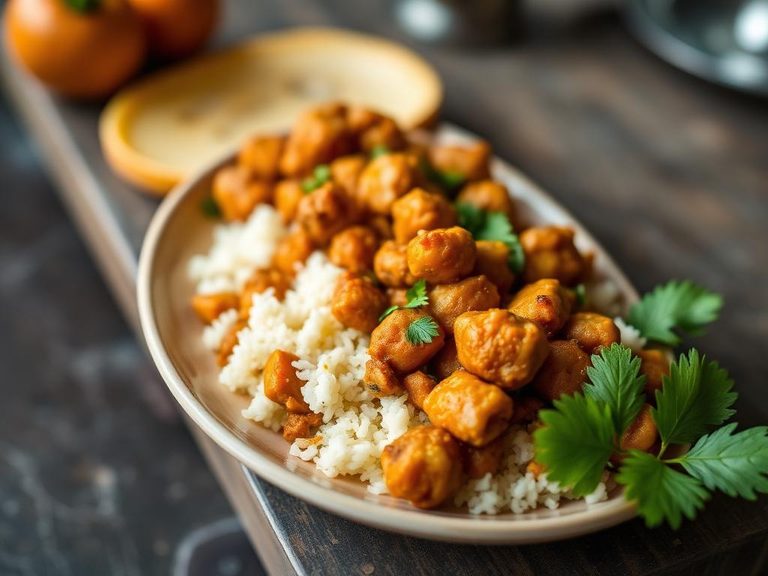
Pasteles de Masa are traditional Puerto Rican savory parcels made from a starchy dough of green bananas, yautía (taro root), and calabaza (tropical squash), which is spread on a banana leaf, filled with a seasoned meat mixture (typically pork or chicken), and then wrapped and boiled. They are a cornerstone of holiday celebrations, especially Christmas, and represent a fusion of Taíno, Spanish, and African culinary influences.
🍽️ Nutrition at a glance
Pasteles are a carbohydrate-rich dish due to the starchy dough, with a moderate amount of protein from the meat filling and a significant fat content from the cooking process and ingredients like olives or capers. A single pastel provides a substantial source of energy, potassium, and vitamin A from the squash, with a rough calorie ballpark of 350-450 kcal per serving.
Nutrition breakdown
| Calories | 380 kcal |
| Protein | 14 g |
| Carbs | 48 g |
| Fat | 15 g |
| Fiber | 5 g |
| Sugar | 4 g |
| Sodium | 520 mg |
| Potassium | 480 mg |
| Vitamin A | 120 mcg RAE |
| Vitamin C | 15 mg |
| Iron | 2.1 mg |
| Magnesium | 45 mg |
| Vitamin B6 | 0.3 mg |
| Folate | 35 mcg DFE |
| Phosphorus | 180 mg |
Per 1 pastel (approx. 225 g) · estimated, varies by recipe
💡 What's interesting
Culturally, making pasteles is a communal family event called a 'pastelada,' often involving multiple generations working together. Nutritionally, the use of green bananas and root vegetables provides resistant starch and a broader micronutrient profile than refined flour.