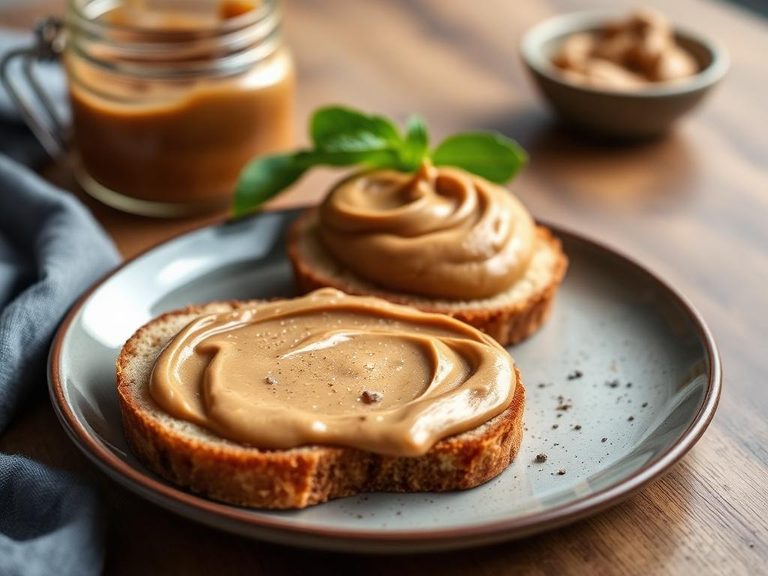
Paired with hot chocolate or coffee
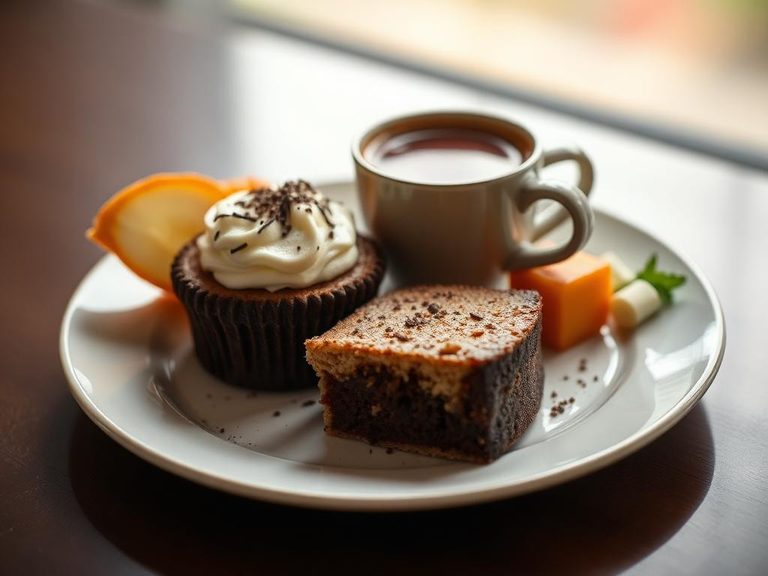
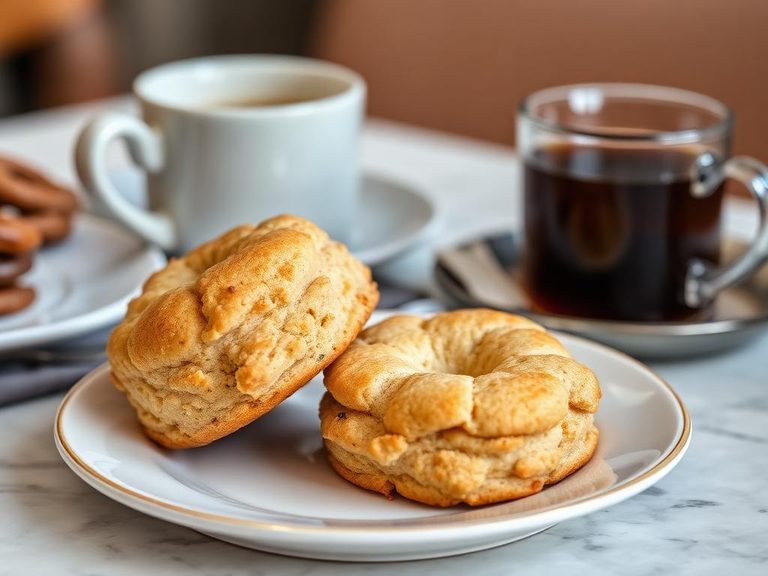
This is a classic pairing concept rather than a single dish, where a beverage like hot chocolate or coffee is served alongside a complementary food item such as a pastry, cookie, or piece of cake. The most iconic example is the French 'café gourmand,' which serves a small cup of coffee with a selection of miniature desserts. The specific food varies widely by region and personal preference, but it's always meant to enhance the drinking experience.
🍽️ Nutrition at a glance
The nutritional profile depends entirely on the accompanying food, but pastries and cakes are typically high in carbohydrates and fats, providing a quick energy boost. Key nutrients might include some calcium from dairy in the drink or added ingredients, and the calorie count for the pairing can range widely from 200 to over 500 kcal.
Nutrition breakdown
| Calories | 380 kcal |
| Protein | 6 g |
| Carbs | 48 g |
| Fat | 18 g |
| Fiber | 2 g |
| Sugar | 28 g |
| Sodium | 290 mg |
| Calcium | 150 mg |
| Iron | 2.5 mg |
| Potassium | 300 mg |
| Magnesium | 30 mg |
| Phosphorus | 120 mg |
| Vitamin B1 (Thiamine) | 0.2 mg |
| Vitamin B2 (Riboflavin) | 0.15 mg |
| Niacin (B3) | 2 mg |
Per 1 croissant (60 g) with 1 cup (240 ml) hot chocolate · estimated, varies by recipe
💡 What's interesting
Culturally, this pairing is a ritual of comfort and socialization in many societies, from the Italian 'cornetto e cappuccino' breakfast to the American 'coffee and donut.' Nutritionally, the caffeine in coffee can slightly enhance the metabolic rate, while the sugar and fat in the pastry provide immediate and sustained energy, making it a popular morning or afternoon pick-me-up.