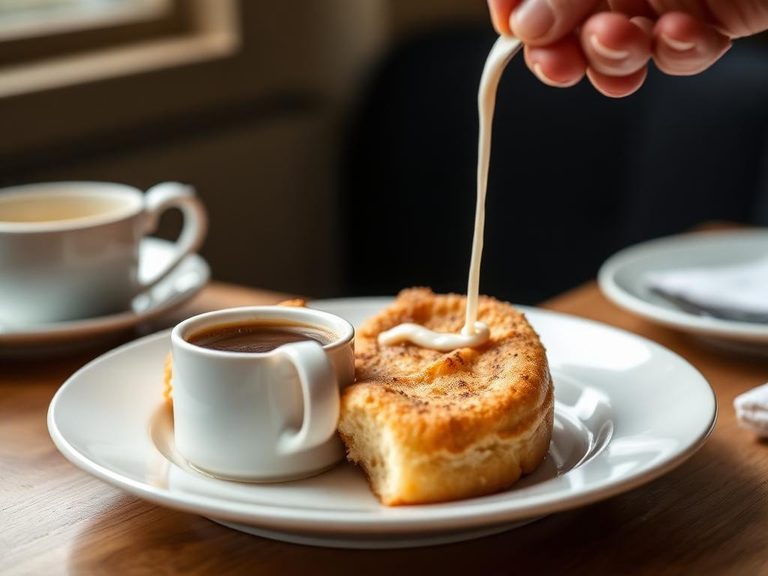
Paired with coffee or tea as a dunking biscuit
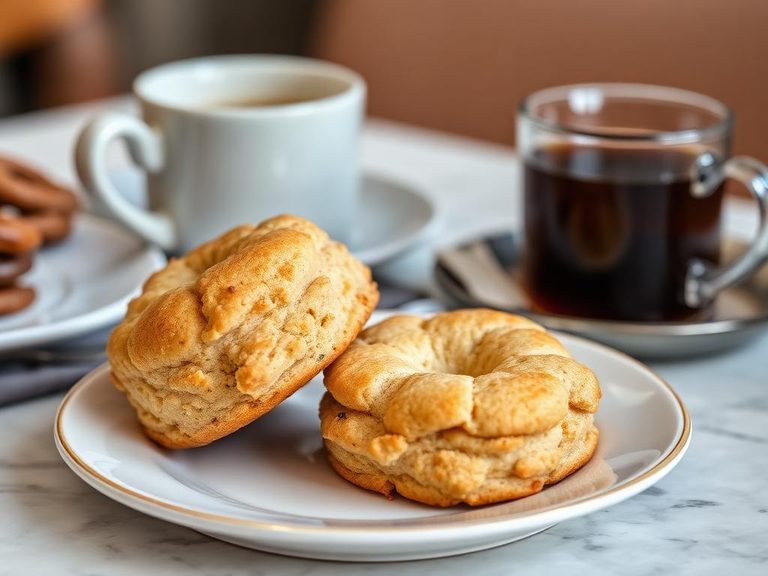
A 'dunking biscuit' is a simple, often dry and sturdy biscuit or cookie specifically designed to be dipped into hot beverages like coffee or tea. Common examples include Italian biscotti, British digestive biscuits, or American shortbread fingers, typically made from flour, sugar, butter, and sometimes eggs or nuts. The name comes from the action of dunking, which softens the biscuit and infuses it with the drink's flavor.
🍽️ Nutrition at a glance
These biscuits are generally high in carbohydrates from refined flour and sugar, with a significant amount of fat from butter or oil. They provide quick energy and some small amounts of iron and B vitamins from the flour, but are not a major source of protein or fiber. A typical serving of two small biscuits contains roughly 100-150 calories.
Nutrition breakdown
| Calories | 130 kcal |
| Protein | 2 g |
| Carbs | 20 g |
| Fat | 5 g |
| Fiber | 1 g |
| Sugar | 5 g |
| Sodium | 120 mg |
| Iron | 1.2 mg |
| Thiamin (B1) | 0.1 mg |
| Niacin (B3) | 1.5 mg |
| Folate | 25 µg |
| Calcium | 20 mg |
| Magnesium | 10 mg |
| Phosphorus | 30 mg |
| Manganese | 0.2 mg |
Per 2 digestive biscuits (about 30 g) · estimated, varies by recipe
💡 What's interesting
Culturally, the practice of dunking is a comforting ritual in many societies, turning a simple snack into a moment of pause. Nutritionally, dunking can make the biscuit easier to chew and digest, especially for those with dry mouths, and may slightly increase the absorption of certain antioxidants from the tea.