Paired with charcuterie

Charcuterie refers to a selection of prepared and cured meats, typically served as part of an appetizer platter. It features a variety of pork-based products like sausages, pâtés, terrines, and cured hams, originating from France but enjoyed globally. This culinary tradition showcases the art of preserving and flavoring meats through methods like smoking, curing, and fermenting.
🍽️ Nutrition at a glance
Charcuterie is generally high in protein and fat, with minimal carbohydrates, making it a calorie-dense food. A typical serving (about 3 ounces or 85 grams) can provide around 200-300 calories, along with significant amounts of iron, zinc, and B vitamins.
Nutrition breakdown
| Calories | 450 kcal |
| Protein | 22 g |
| Carbs | 15 g |
| Fat | 32 g |
| Fiber | 2 g |
| Sugar | 3 g |
| Sodium | 1200 mg |
| Sodium | 1200 mg |
| Potassium | 300 mg |
| Phosphorus | 250 mg |
| Zinc | 3.5 mg |
| Iron | 2.0 mg |
| Niacin (B3) | 5.0 mg |
| Vitamin B12 | 2.5 mcg |
| Selenium | 15 mcg |
Per 1 typical charcuterie board serving (approx. 150 g total) · estimated, varies by recipe
💡 What's interesting
Culturally, charcuterie represents a centuries-old European preservation technique that has evolved into a social dining experience, often paired with cheeses, fruits, and wines. Nutritionally, while it offers protein and minerals, its high sodium and saturated fat content means it's best enjoyed in moderation as part of a balanced diet.
🍽️ Related dishes
 Paired with cheese and charcuterie boards
 Paired with a charcuterie board
 Paired with hot chocolate or coffee
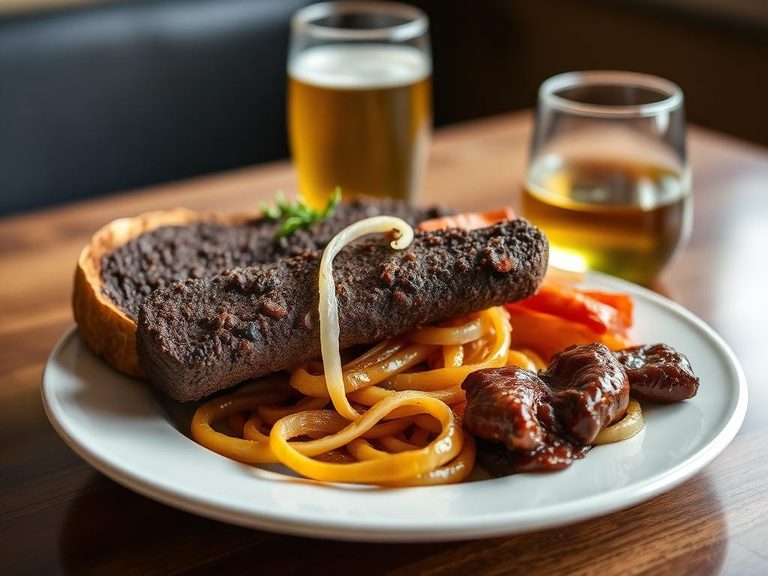 Paired with dark bread, onions, and beer
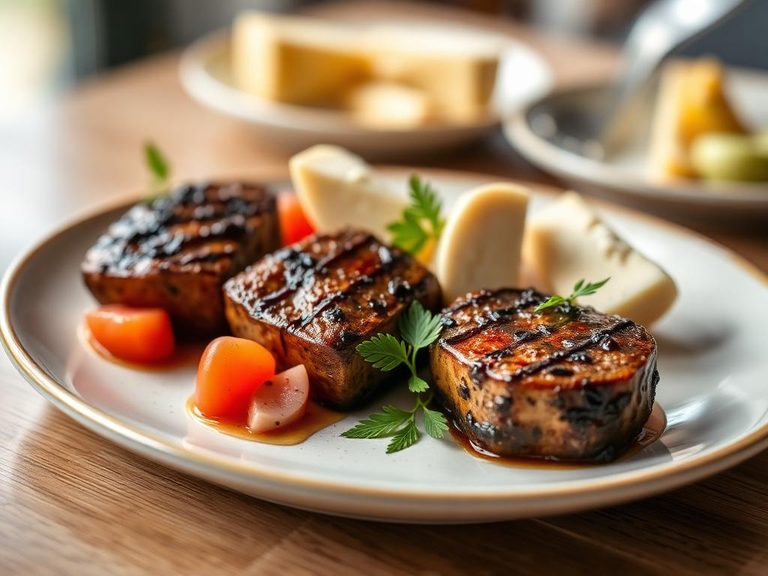 Paired with foie gras or blue cheese
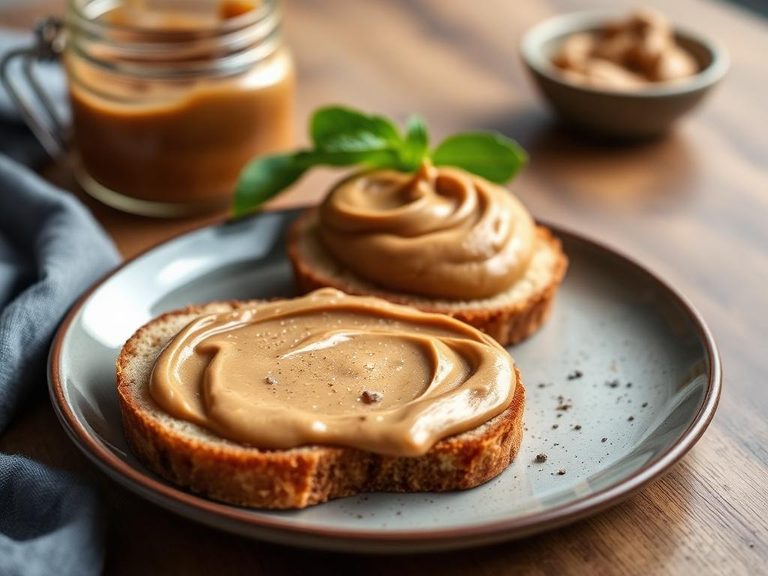 Paired with peanut butter or almond butter
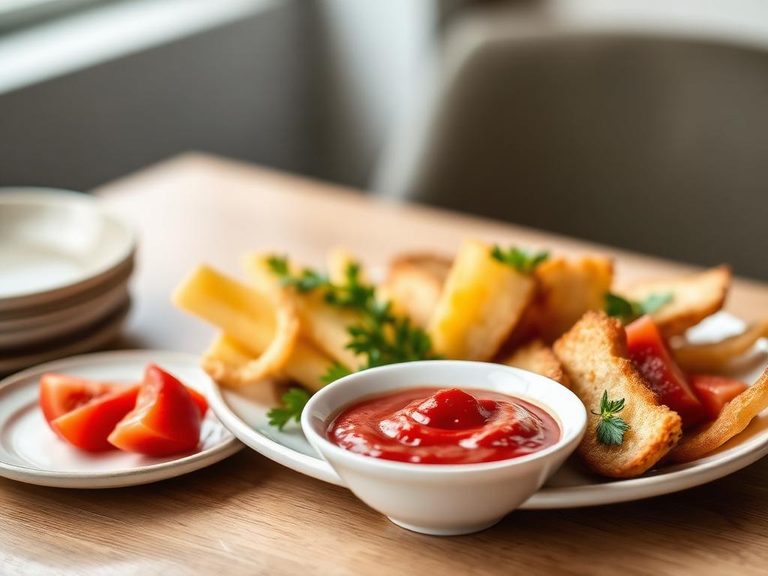 Paired with fruit puree for dipping
 Paired with coffee or tea as a dunking biscuit