

Nigiri-zushi
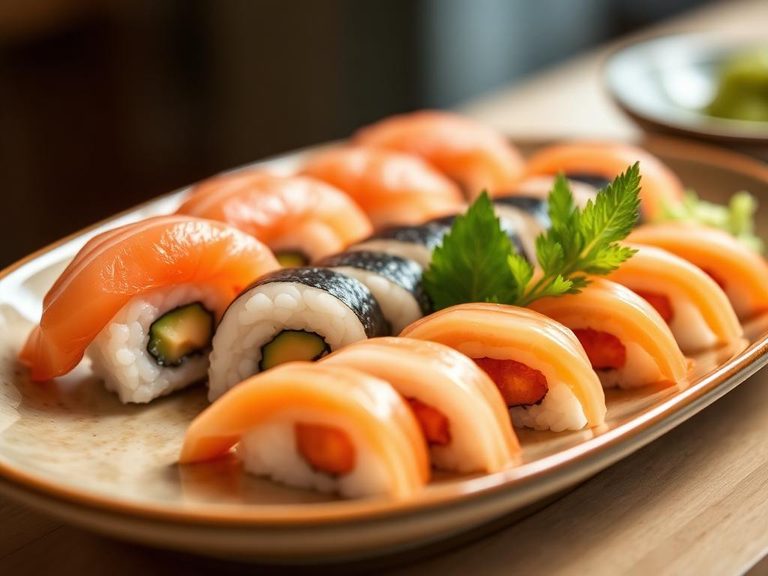
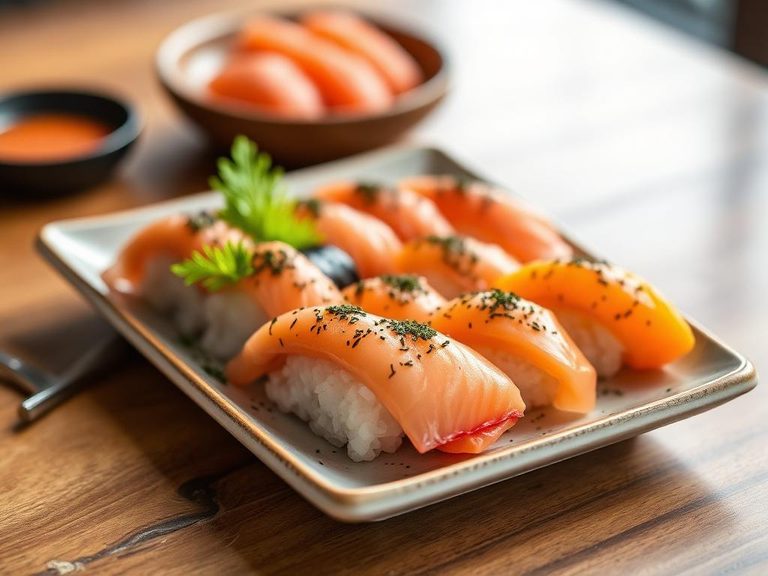
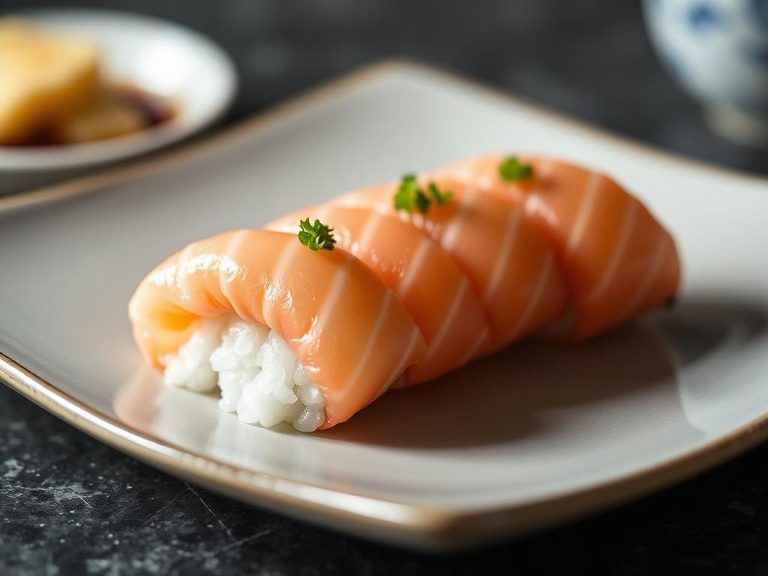
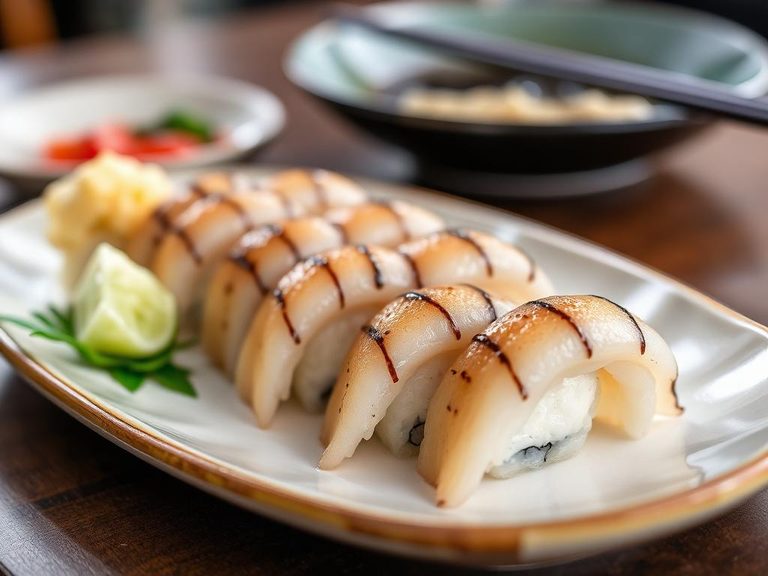
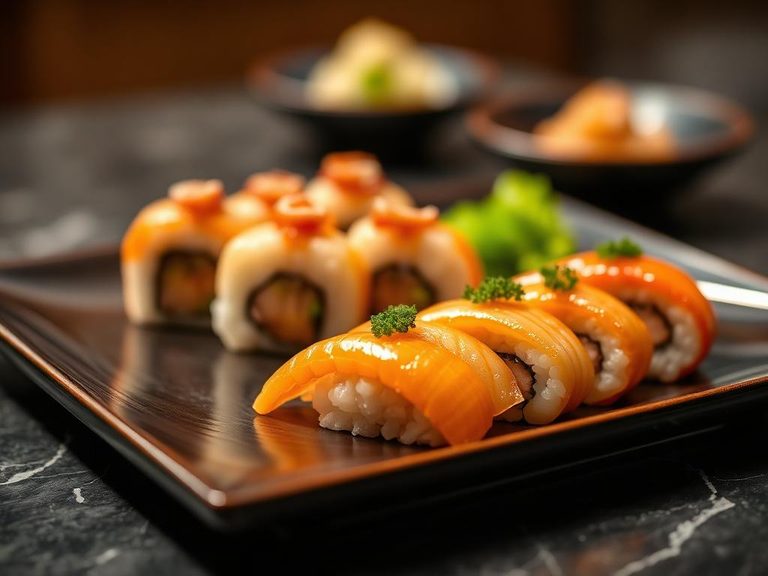
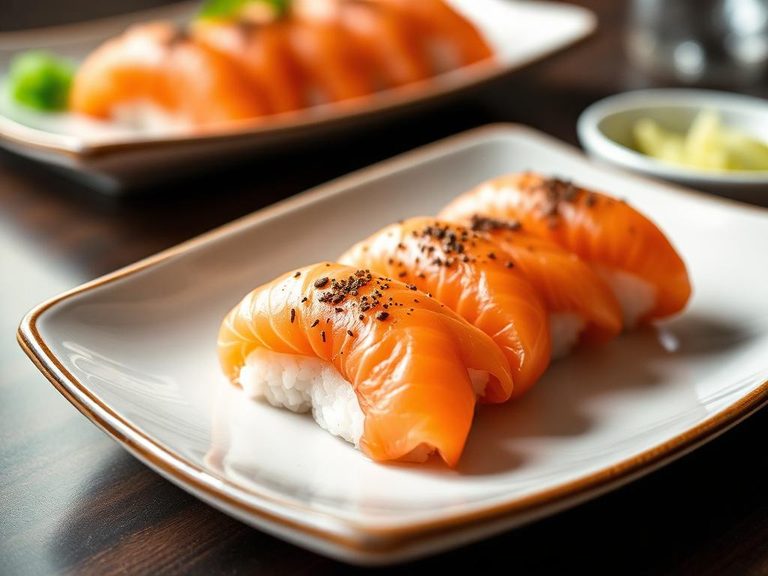
Nigiri-zushi is a classic form of Japanese sushi consisting of a hand-pressed mound of vinegared rice topped with a slice of raw or cooked seafood, such as tuna, salmon, or shrimp. It originated in Edo (modern-day Tokyo) during the early 19th century as a type of fast food, and is now a globally recognized symbol of Japanese cuisine.
🍽️ Nutrition at a glance
Nigiri-zushi is generally high in protein from the fish topping and provides moderate carbohydrates from the rice. A typical two-piece serving offers a good source of omega-3 fatty acids (if using fatty fish like salmon) and B vitamins, with a calorie range of approximately 150-250 kcal.
Nutrition breakdown
| Calories | 140 kcal |
| Protein | 6 g |
| Carbs | 22 g |
| Fat | 2 g |
| Fiber | 0.5 g |
| Sugar | 1 g |
| Sodium | 350 mg |
| Selenium | 12 mcg |
| Manganese | 0.4 mg |
| Thiamin (B1) | 0.1 mg |
| Niacin (B3) | 1.5 mg |
| Phosphorus | 80 mg |
| Magnesium | 15 mg |
| Zinc | 0.5 mg |
| Iron | 0.5 mg |
Per 2 pieces (approx. 70 g) · estimated, varies by recipe
💡 What's interesting
Culturally, nigiri-zushi represents the pinnacle of a sushi chef's skill, where the balance of rice temperature, texture, and the fish's freshness is an art form. Nutritionally, the combination of fish and rice provides a complete protein profile, making it a surprisingly balanced and efficient meal.
🍽️ Related dishes
AI estimate may be inaccurate · Terms