

Mung Bean Vermcello
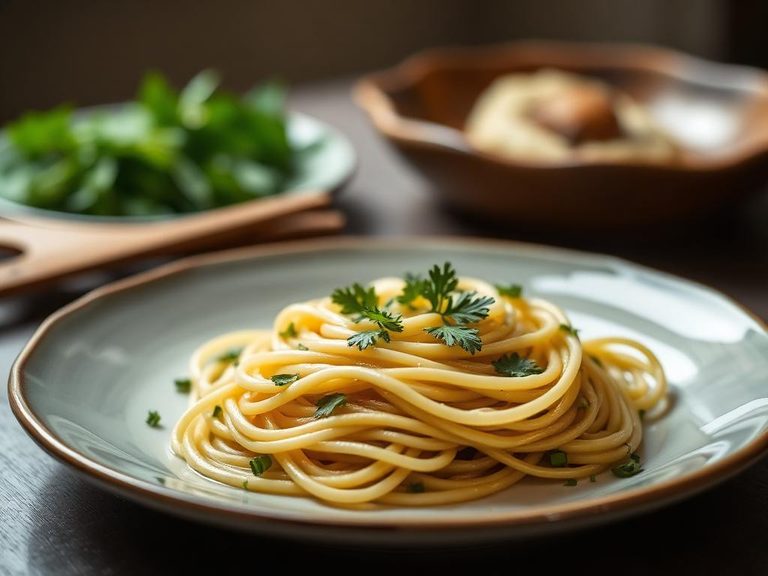
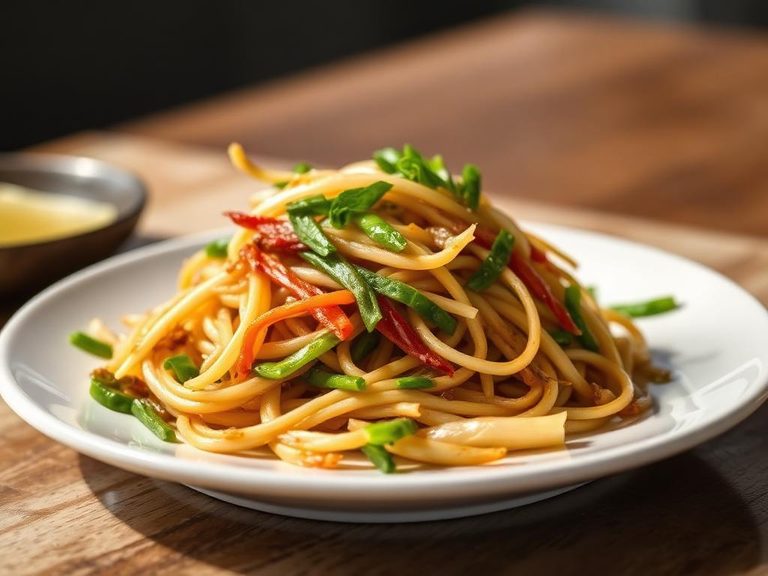
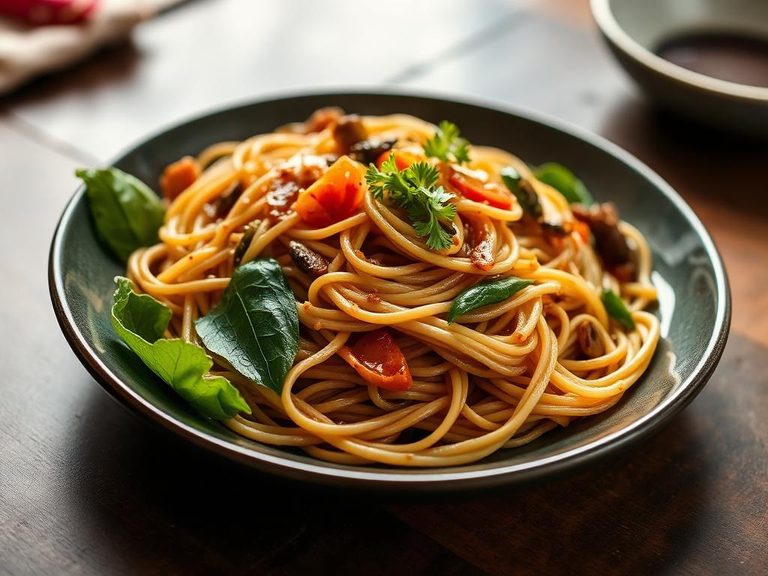
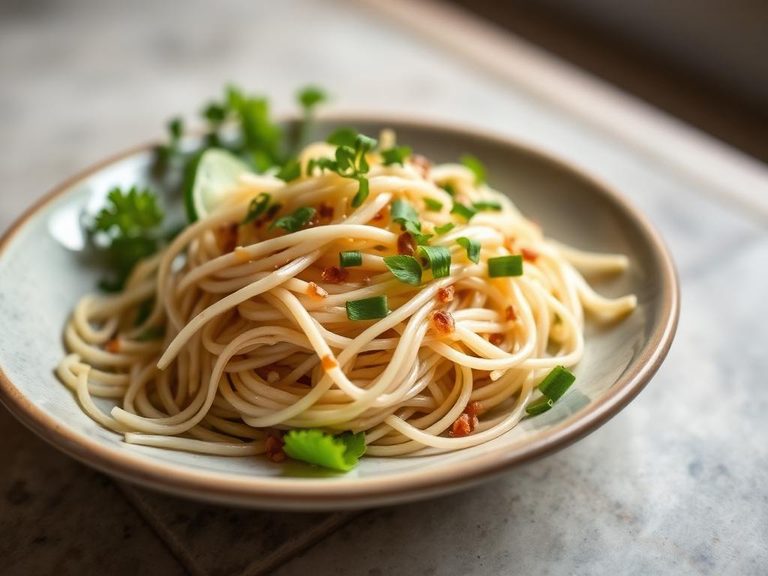
Mung Bean Vermicelli, also known as glass noodles or cellophane noodles, is a translucent, thin noodle made primarily from mung bean starch. It is a staple ingredient in many Asian cuisines, particularly in Chinese, Korean, Vietnamese, and Thai cooking, used in a wide variety of dishes from stir-fries and soups to salads and spring rolls.
🍽️ Nutrition at a glance
Mung bean vermicelli is a high-carbohydrate food, providing a quick source of energy, but is very low in fat and contains a modest amount of plant-based protein. A typical serving offers key minerals like iron and selenium, with a calorie count roughly around 160-190 kcal per 100g dry weight.
Nutrition breakdown
| Calories | 160 kcal |
| Protein | 0.2 g |
| Carbs | 39 g |
| Fat | 0 g |
| Fiber | 1.5 g |
| Sugar | 0 g |
| Sodium | 5 mg |
| Selenium | 6 mcg |
| Iron | 1.5 mg |
| Manganese | 0.3 mg |
| Phosphorus | 30 mg |
| Potassium | 15 mg |
| Copper | 0.1 mg |
Per 1 cup, cooked (150 g) · estimated, varies by recipe
💡 What's interesting
What makes mung bean vermicelli unique is its ability to absorb flavors exceptionally well and its distinctive slippery, chewy texture when cooked. Nutritionally, it has a lower glycemic index than many wheat or rice noodles, making it a potentially better choice for blood sugar management.
🍽️ Related dishes
AI estimate may be inaccurate · Terms