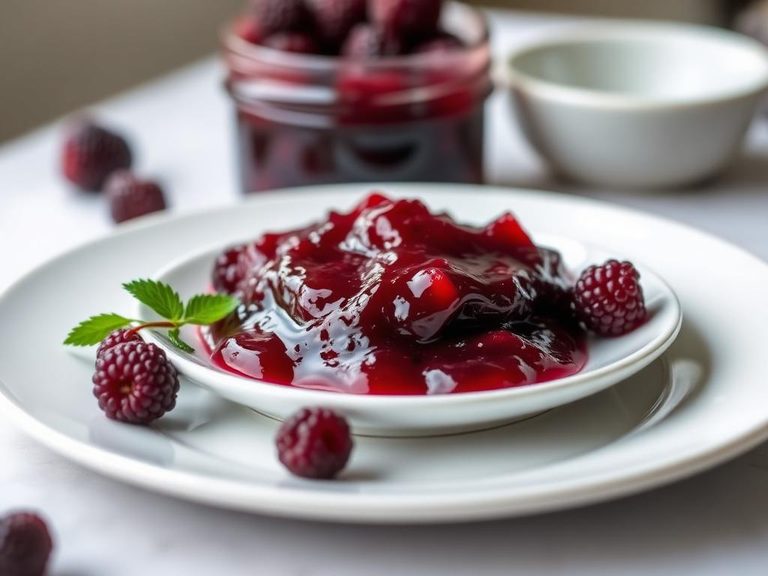
Mulberry compote for pancakes or yogurt
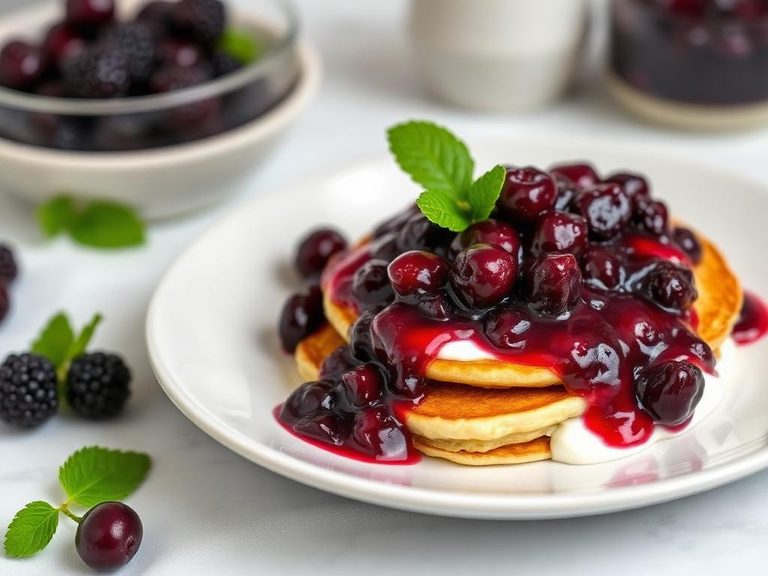
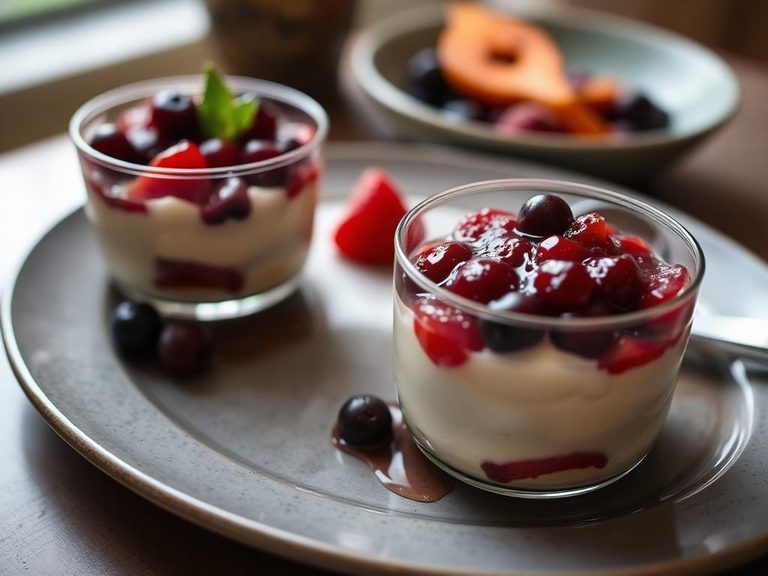
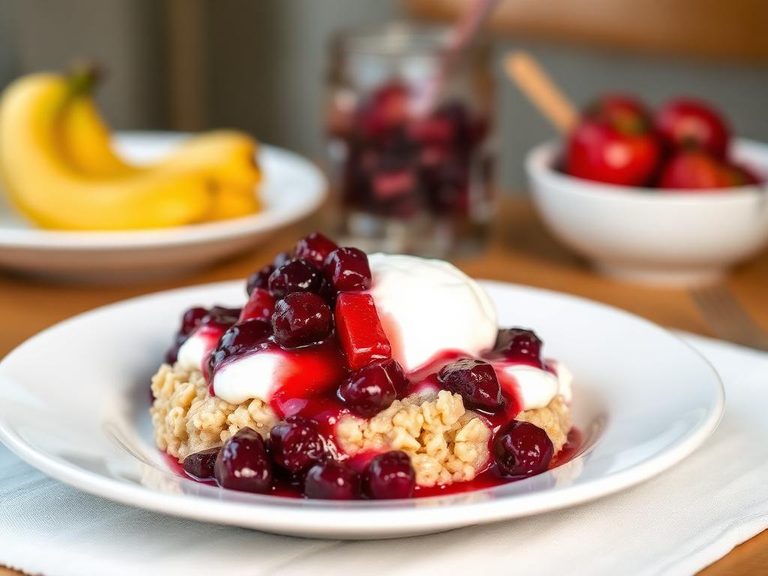
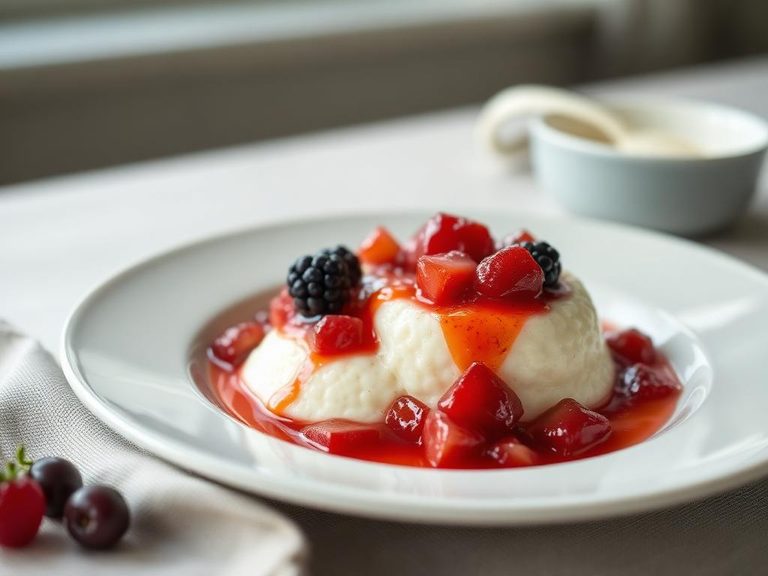
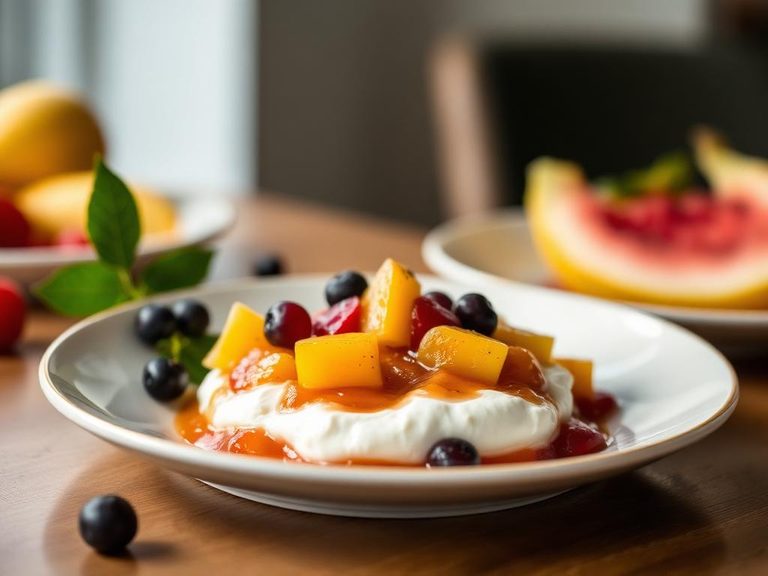
Mulberry compote is a sweet, jewel-toned fruit preserve made by gently simmering fresh or dried mulberries with sugar and a touch of water or lemon juice until they break down into a thick, saucy consistency. It is a popular topping or accompaniment in many cuisines, particularly across Eastern Europe, the Middle East, and parts of Asia. The dish is commonly served warm or cold over pancakes, yogurt, ice cream, or porridge.
🍽️ Nutrition at a glance
This compote is primarily a source of quick energy from carbohydrates, specifically natural and added sugars, with negligible fat and very little protein. It provides a good amount of dietary fiber and is a notable source of essential minerals like potassium and manganese.
Nutrition breakdown
| Calories | 120 kcal |
| Protein | 1.5 g |
| Carbs | 30 g |
| Fat | 0.5 g |
| Fiber | 3 g |
| Sugar | 24 g |
| Sodium | 5 mg |
| Potassium | 280 mg |
| Manganese | 0.5 mg |
| Vitamin C | 15 mg |
| Iron | 1.2 mg |
| Vitamin K | 8 mcg |
| Magnesium | 20 mg |
| Phosphorus | 35 mg |
| Copper | 0.1 mg |
Per 1/2 cup (150 g) · estimated, varies by recipe
💡 What's interesting
Mulberries have been cultivated for thousands of years, not only for their fruit but also as the primary food source for silkworms in the silk production industry. Nutritionally, they are rich in antioxidants like anthocyanins, which give them their deep red-purple color and may support overall health.