Mulberry pie or tart
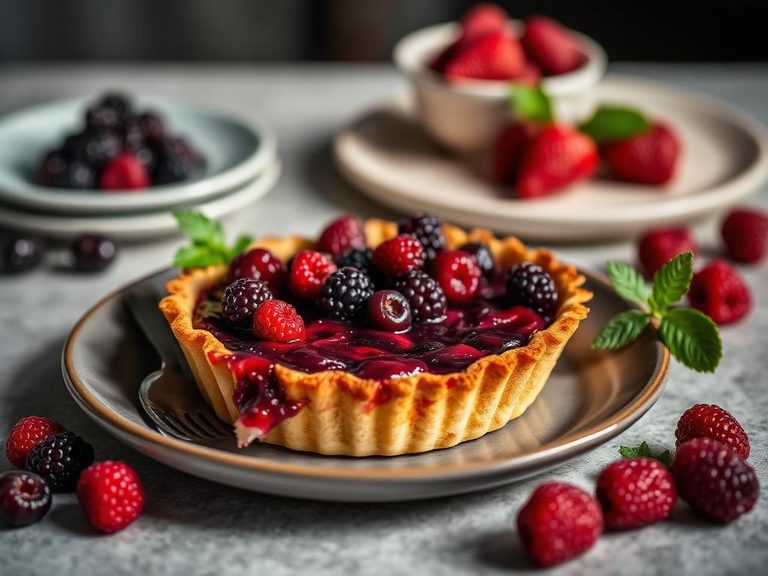
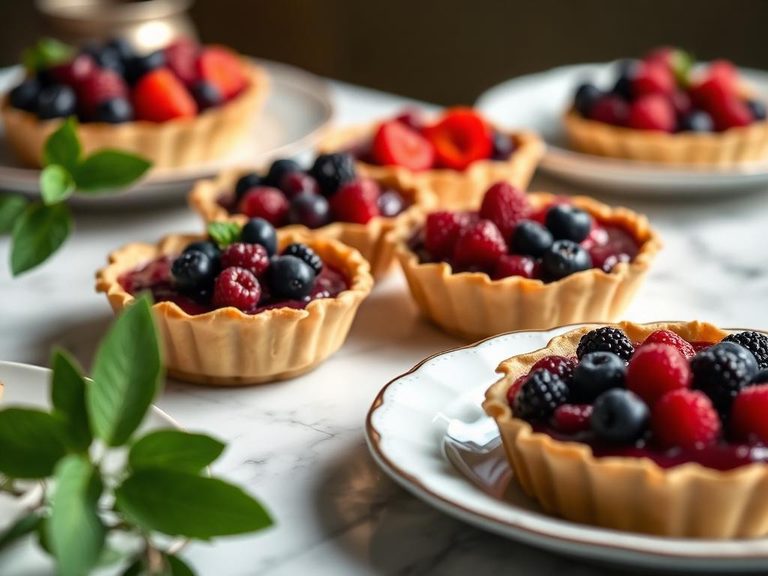
Mulberry pie or tart is a sweet baked dessert featuring fresh or preserved mulberries as the primary filling, often encased in a flaky pastry crust. The filling typically includes sugar, a thickener like cornstarch or flour, and sometimes lemon juice or spices to enhance the fruit's natural flavor. This dish is most commonly associated with home baking in regions where mulberry trees are abundant, such as parts of the United States, Europe, and Asia.
🍽️ Nutrition at a glance
Mulberry pie is generally high in carbohydrates, primarily from the fruit's natural sugars and added sweeteners in the filling and crust, with moderate fat content from the pastry. A single serving provides dietary fiber, vitamin C, and minerals like iron and potassium, with a typical calorie range of 300-400 kcal.
Nutrition breakdown
| Calories | 350 kcal |
| Protein | 3 g |
| Carbs | 55 g |
| Fat | 14 g |
| Fiber | 3 g |
| Sugar | 30 g |
| Sodium | 200 mg |
| Vitamin C | 10 mg |
| Iron | 1.5 mg |
| Potassium | 180 mg |
| Vitamin K | 8 mcg |
| Manganese | 0.3 mg |
| Magnesium | 15 mg |
| Phosphorus | 40 mg |
| Vitamin B6 | 0.05 mg |
Per 1 slice (approximately 120 g) · estimated, varies by recipe
💡 What's interesting
Mulberries have a short, intense harvest season, making this pie a seasonal treat that celebrates the fleeting availability of the fruit. Nutritionally, mulberries are rich in antioxidants like resveratrol, which is also found in red wine, adding a unique health dimension to this indulgent dessert.