Mexican Carne Deshebrada
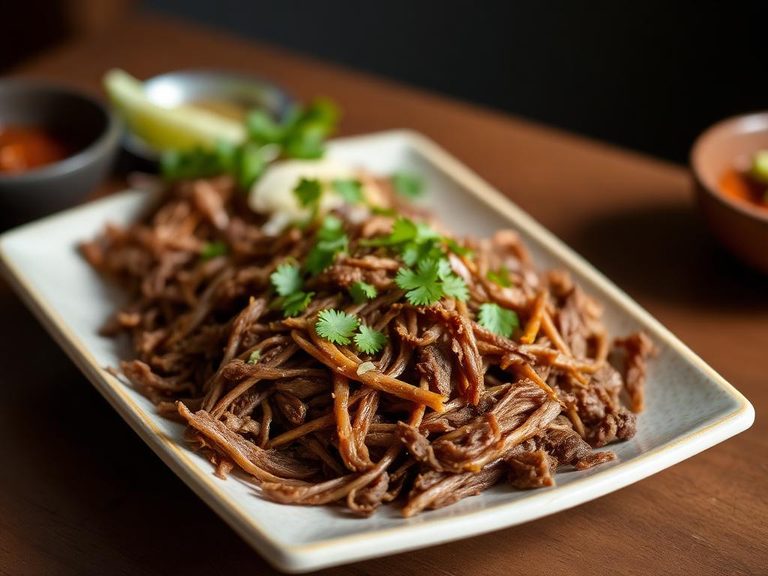
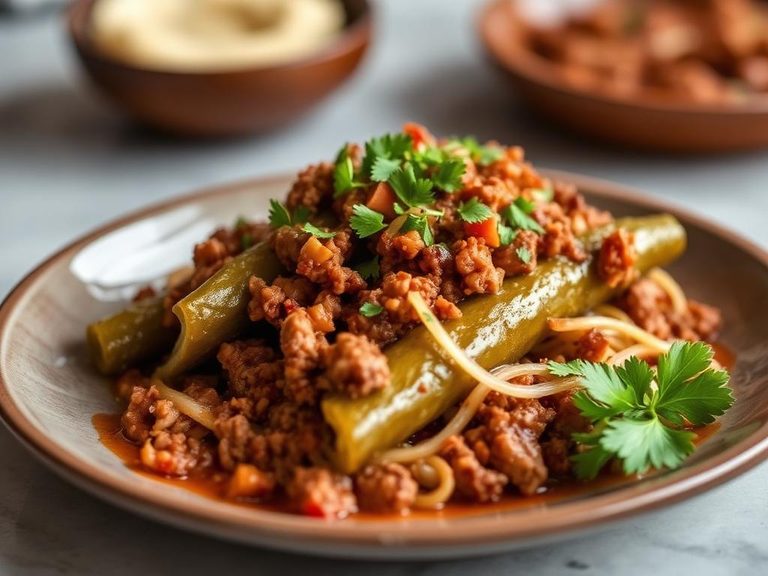
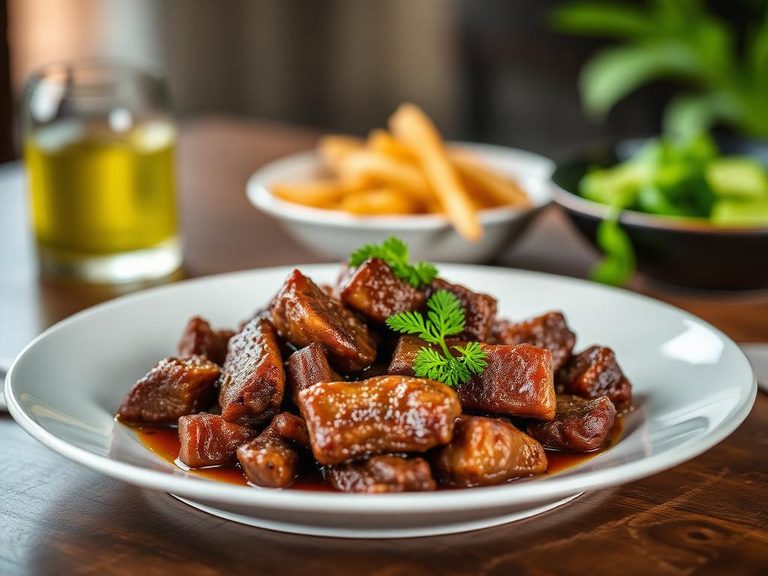
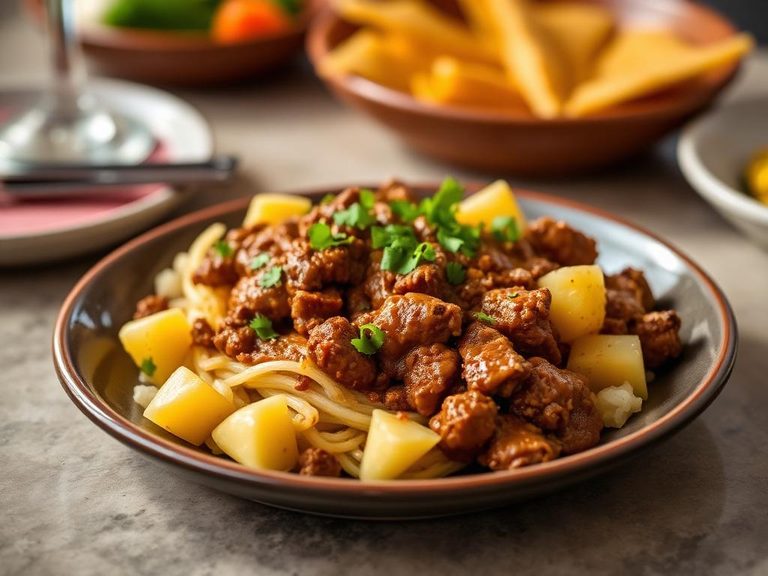
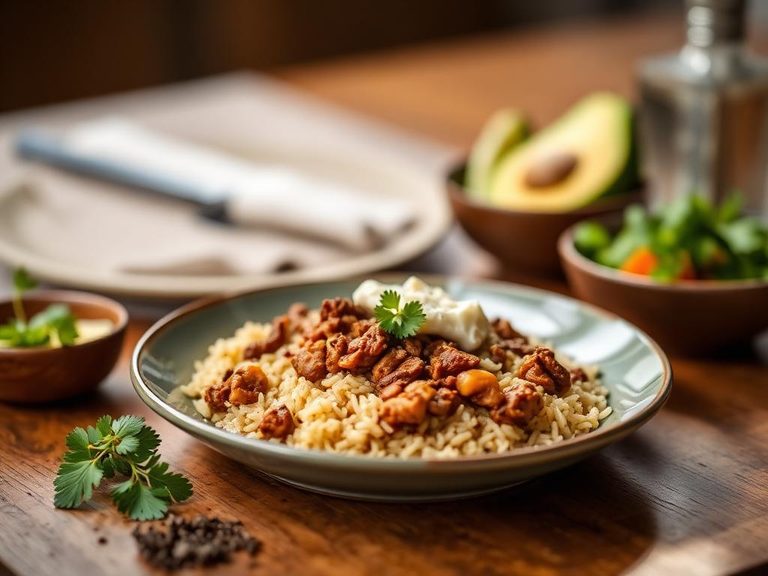
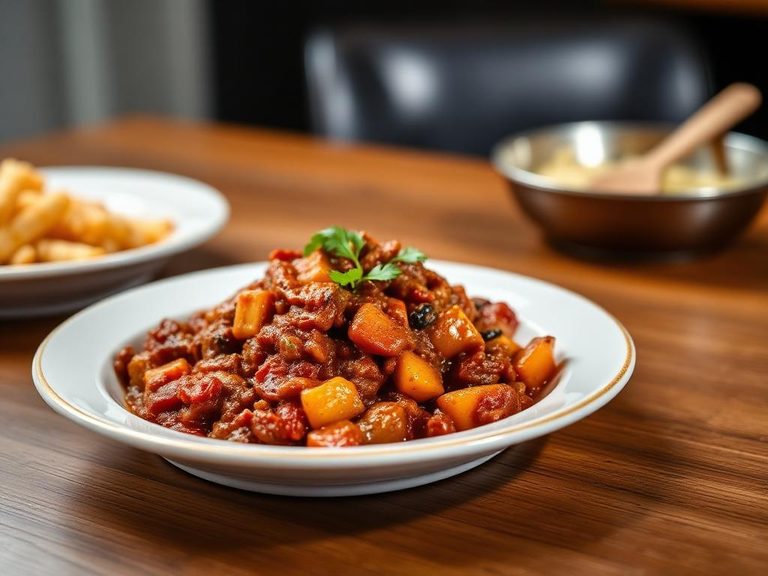
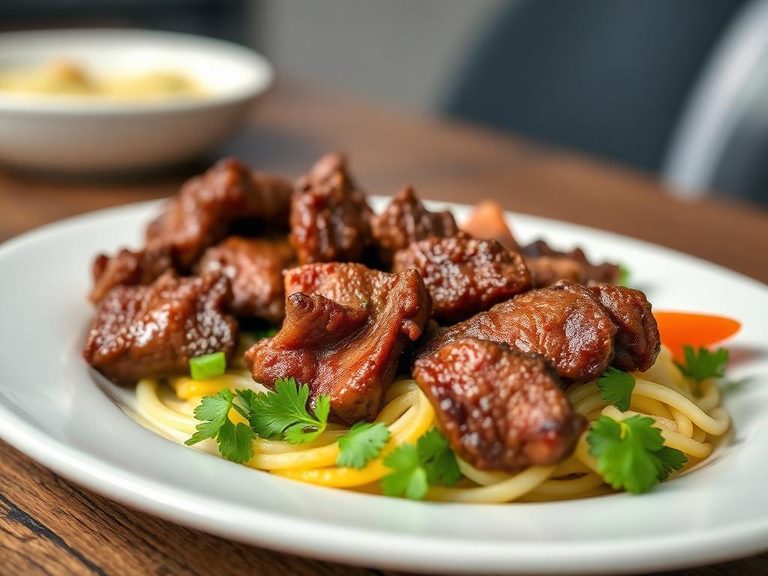
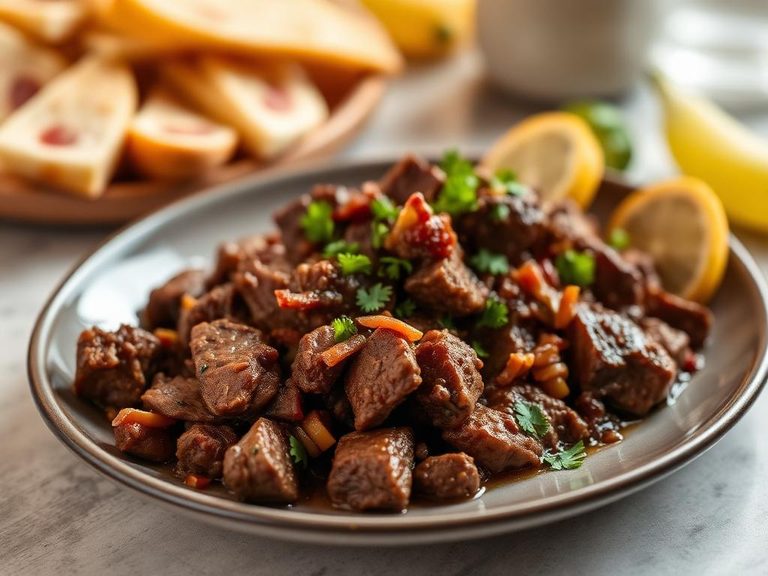
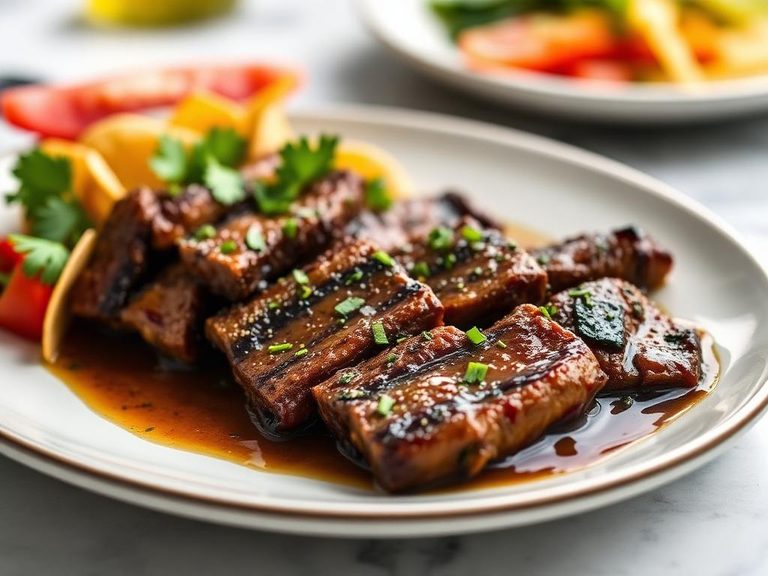
Carne Deshebrada is a classic Mexican shredded beef dish, typically made by slow-cooking beef chuck or flank steak in a flavorful sauce of tomatoes, chilies, onions, garlic, and spices until it becomes tender enough to pull apart with forks. It originates from the northern regions of Mexico and is a staple in many households and taquerias across the country. The dish is often served in tacos, burritos, or with rice and beans, making it a versatile centerpiece of Mexican cuisine.
🍽️ Nutrition at a glance
This dish is high in protein from the beef, with moderate fat content depending on the cut of meat used, and is generally low in carbohydrates unless served with tortillas or other starchy sides. A typical serving provides essential nutrients like iron, zinc, and B vitamins, with a rough calorie estimate of 250-350 per 100 grams of shredded beef, not including accompaniments.
Nutrition breakdown
| Calories | 310 kcal |
| Protein | 32 g |
| Carbs | 5 g |
| Fat | 18 g |
| Fiber | 1 g |
| Sugar | 2 g |
| Sodium | 480 mg |
| Iron | 4.5 mg |
| Zinc | 8.2 mg |
| Potassium | 450 mg |
| Phosphorus | 280 mg |
| Niacin (B3) | 8.0 mg |
| Vitamin B6 | 0.6 mg |
| Vitamin B12 | 2.5 mcg |
| Selenium | 35 mcg |
Per 1 cup (240 g) · estimated, varies by recipe
💡 What's interesting
Culturally, Carne Deshebrada showcases the Mexican tradition of slow-cooking tough cuts of meat to transform them into tender, flavorful dishes, reflecting a history of resourcefulness and communal cooking. Nutritionally, the slow-cooking process helps break down proteins, making the beef easier to digest while retaining its nutrient density, which has made it a sustaining food for generations.