

Marinade for sweet & sour dishes
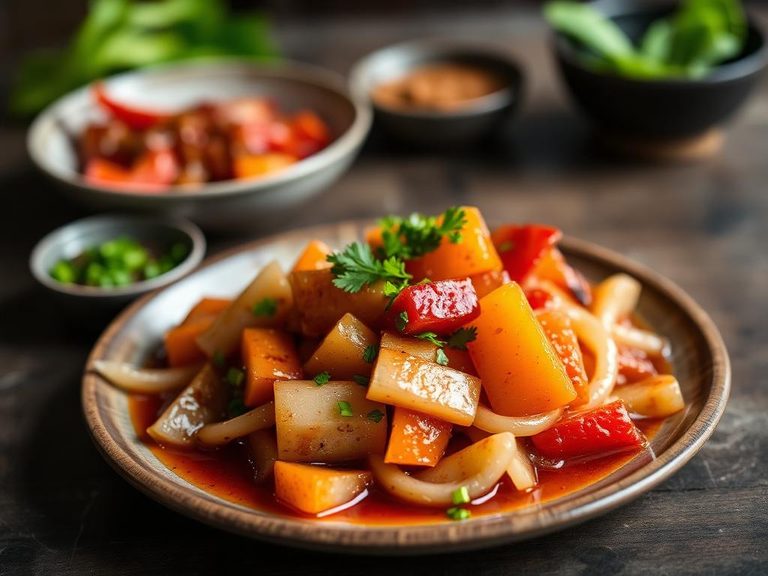
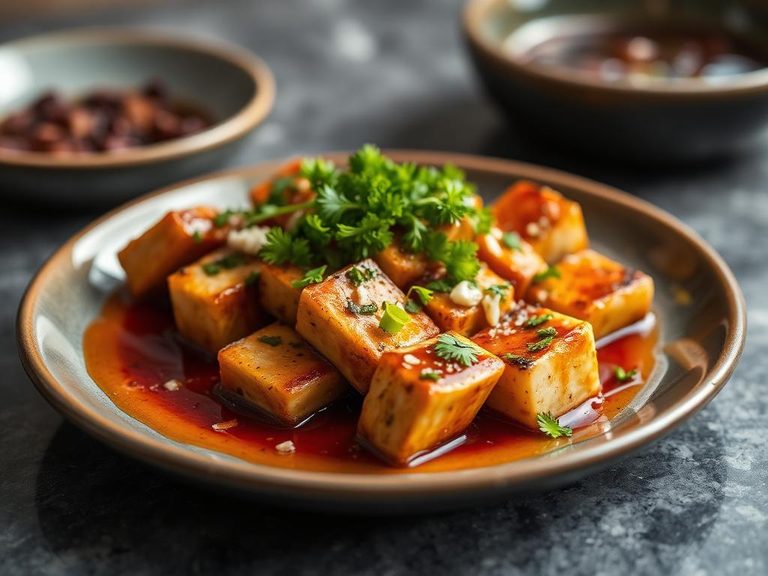
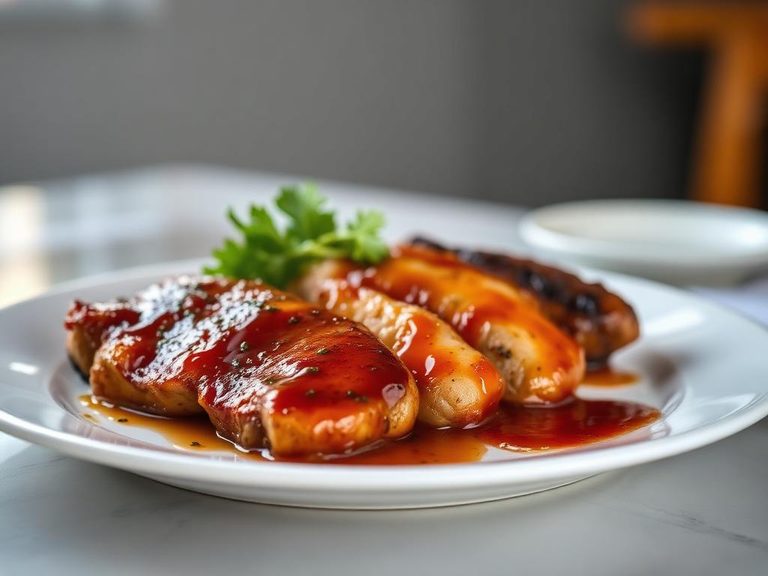
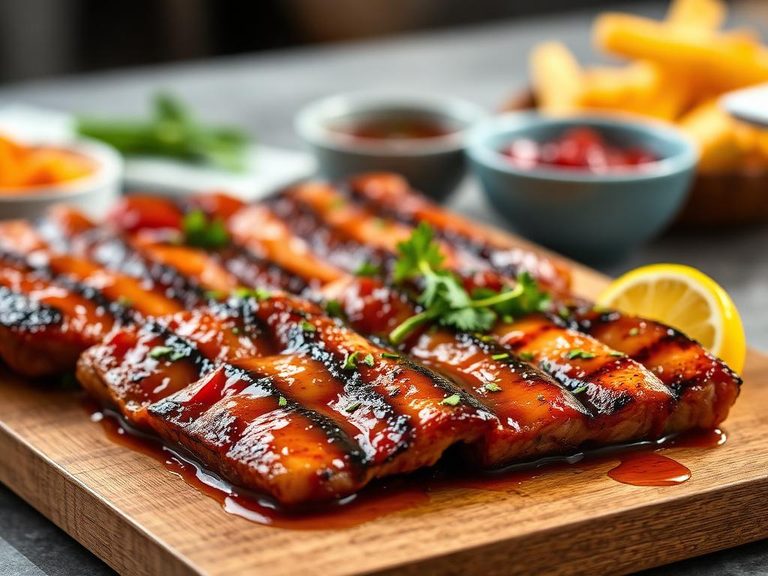
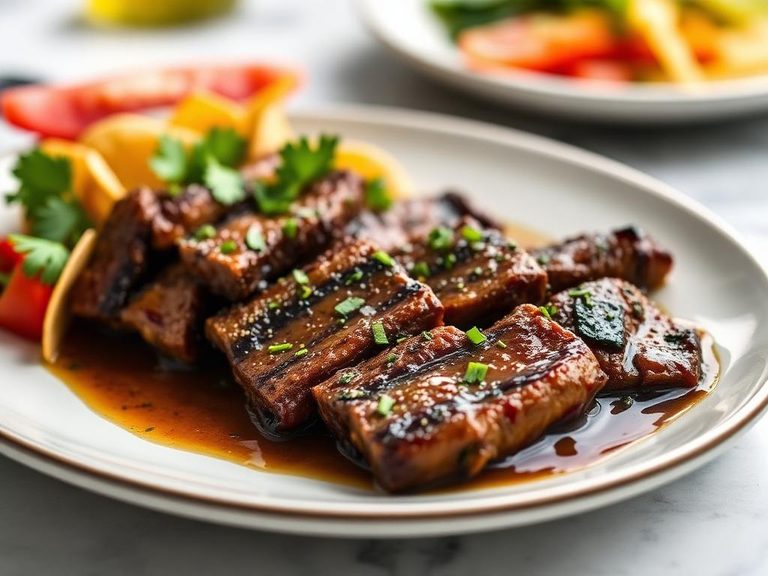
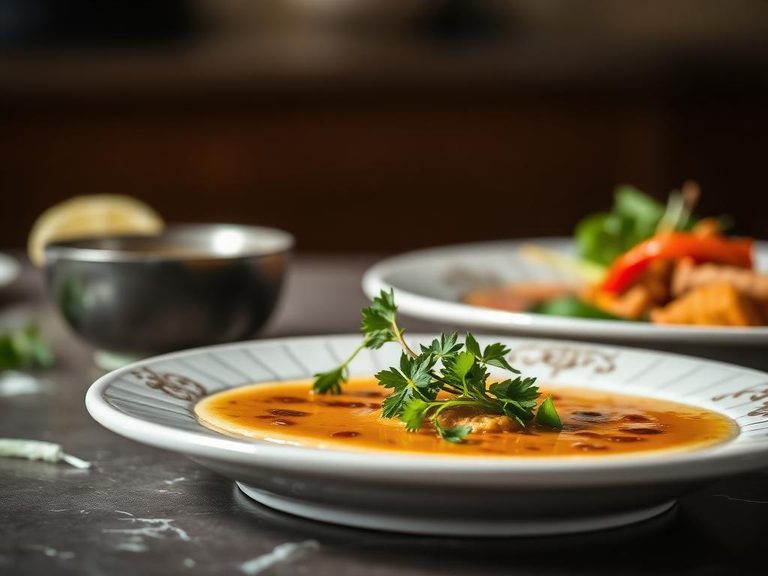
This is a versatile sauce base or marinade, central to the popular Chinese-American and Westernized Chinese culinary tradition of sweet and sour dishes. It typically combines a sweet element like sugar or pineapple juice, a sour component such as vinegar or citrus, and often a savory base like soy sauce, used to flavor proteins like chicken, pork, or shrimp before cooking.
🍽️ Nutrition at a glance
As a marinade or sauce, it is generally high in carbohydrates from added sugars and may contain moderate fat if oil is included. It provides quick energy from sugars and small amounts of minerals like sodium from soy sauce, with a typical serving contributing around 50-100 calories.
Nutrition breakdown
| Calories | 45 kcal |
| Protein | 0.5 g |
| Carbs | 10 g |
| Fat | 0 g |
| Fiber | 0 g |
| Sugar | 8 g |
| Sodium | 350 mg |
| Potassium | 45 mg |
| Vitamin C | 2 mg |
| Iron | 0.2 mg |
| Calcium | 5 mg |
| Manganese | 0.1 mg |
| Phosphorus | 10 mg |
| Magnesium | 3 mg |
| Vitamin B6 | 0.01 mg |
Per 1/4 cup (60 g) · estimated, varies by recipe
💡 What's interesting
Culturally, it represents a fascinating culinary adaptation, where traditional Chinese flavor principles of balancing sweet and sour were modified to suit Western palates, becoming a global staple. Nutritionally, its high sugar content is a key characteristic, making it a flavor enhancer rather than a primary nutrient source.
🍽️ Related dishes
AI estimate may be inaccurate · Terms