

Mangú
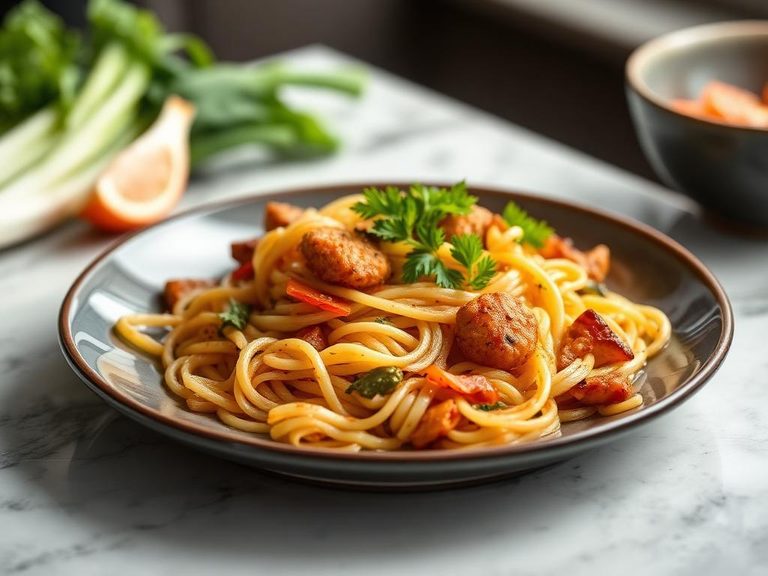
Mangú is a beloved Dominican breakfast staple made from mashed green plantains, typically boiled and then mashed with butter, oil, or milk. It's often served alongside fried cheese, salami, and eggs as part of the classic 'Los Tres Golpes' (The Three Hits) platter. The dish is a cornerstone of Dominican cuisine, enjoyed daily across the country and in Dominican communities worldwide.
🍽️ Nutrition at a glance
Mangú is a carbohydrate-rich dish, providing substantial energy from the plantains, with moderate fat content depending on how much butter or oil is used. It offers key nutrients like potassium, vitamin C, and vitamin B6, with a typical serving containing roughly 200-250 calories.
Nutrition breakdown
| Calories | 230 kcal |
| Protein | 2.5 g |
| Carbs | 42 g |
| Fat | 6.5 g |
| Fiber | 3.5 g |
| Sugar | 8 g |
| Sodium | 350 mg |
| Potassium | 450 mg |
| Vitamin C | 15 mg |
| Vitamin B6 | 0.3 mg |
| Magnesium | 35 mg |
| Iron | 1.2 mg |
| Manganese | 0.4 mg |
| Phosphorus | 45 mg |
| Thiamin (B1) | 0.1 mg |
Per 1 cup (240 g) · estimated, varies by recipe
💡 What's interesting
The name 'mangú' is believed to have African linguistic roots, reflecting the dish's origins among enslaved Africans in the Dominican Republic. Nutritionally, green plantains are a good source of resistant starch, which acts like fiber and can support gut health.
🍽️ Related dishes
AI estimate may be inaccurate · Terms