Japanese Napolitan
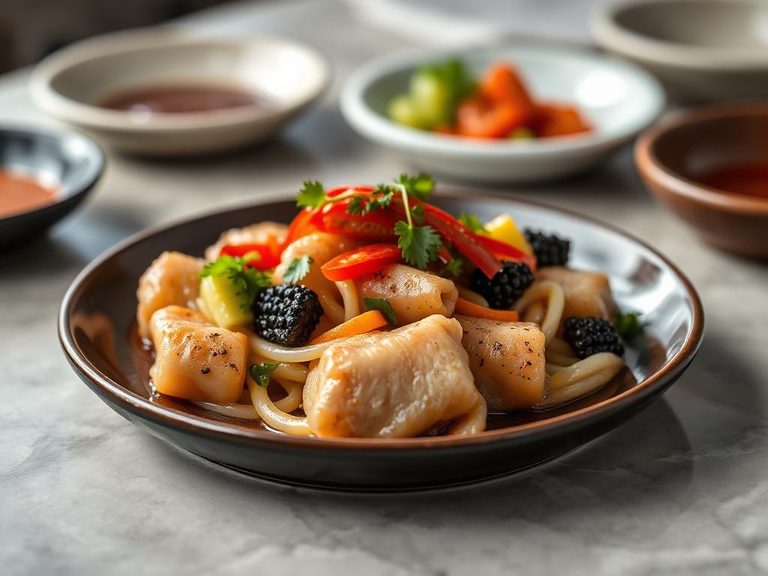
Japanese Napolitan, or 'Naporitan', is a popular yoshoku (Western-influenced) pasta dish from Japan. It features thick spaghetti noodles stir-fried with ketchup, onions, bell peppers, mushrooms, and often sliced sausage or bacon, creating a savory-sweet flavor profile distinct from Italian pasta.
🍽️ Nutrition at a glance
This dish is typically high in carbohydrates from the pasta and added sugars in the ketchup sauce, with moderate fat from the cooking oil and meat. A standard serving generally provides around 500-700 calories, offering energy primarily from carbs and some protein from the meat and eggs if included.
Nutrition breakdown
| Calories | 550 kcal |
| Protein | 18 g |
| Carbs | 75 g |
| Fat | 20 g |
| Fiber | 4 g |
| Sugar | 12 g |
| Sodium | 1200 mg |
| Potassium | 350 mg |
| Vitamin A | 250 IU |
| Vitamin C | 15 mg |
| Iron | 2.5 mg |
| Calcium | 60 mg |
| Phosphorus | 180 mg |
| Vitamin B1 (Thiamine) | 0.3 mg |
| Niacin (B3) | 4 mg |
Per 1 typical serving (about 300 g) · estimated, varies by recipe
💡 What's interesting
Napolitan is a quintessential example of Japanese culinary adaptation, having originated in post-WWII Yokosuka and becoming a beloved comfort food. Its unique twist lies in using ketchup as the base sauce, a creative substitution that reflects the resourcefulness and evolving tastes of the era.