

Jam or Preserves
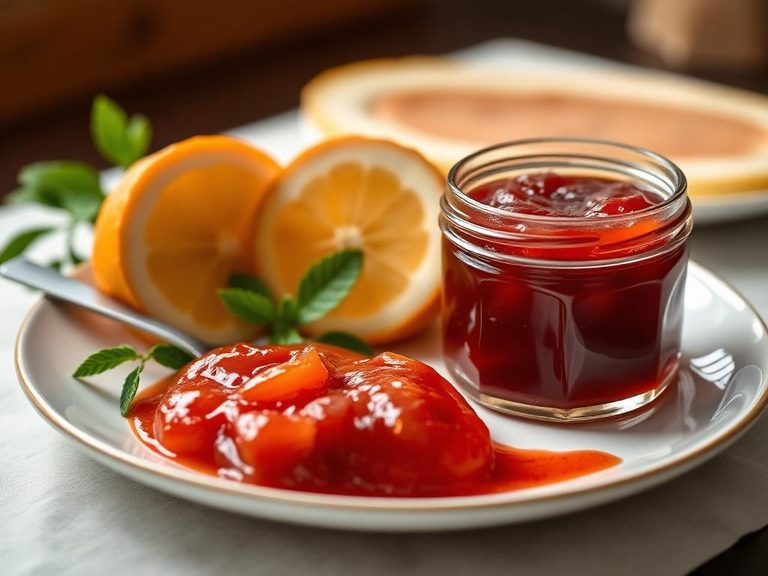
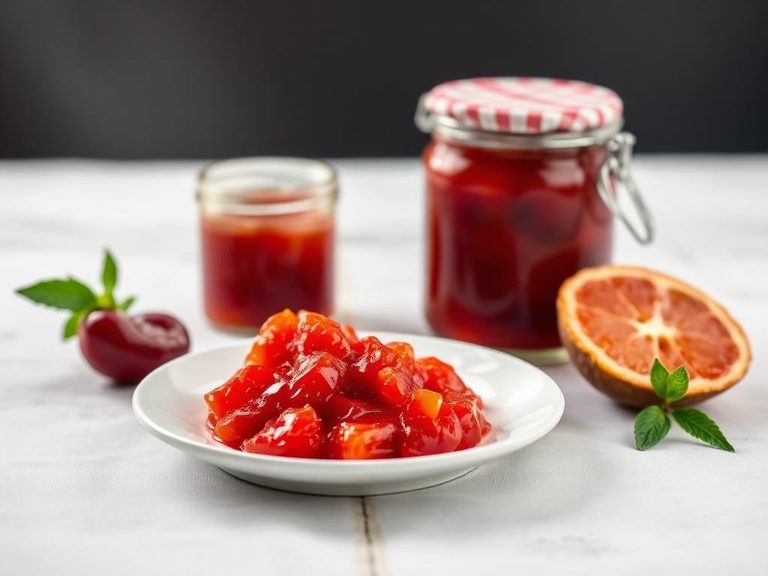
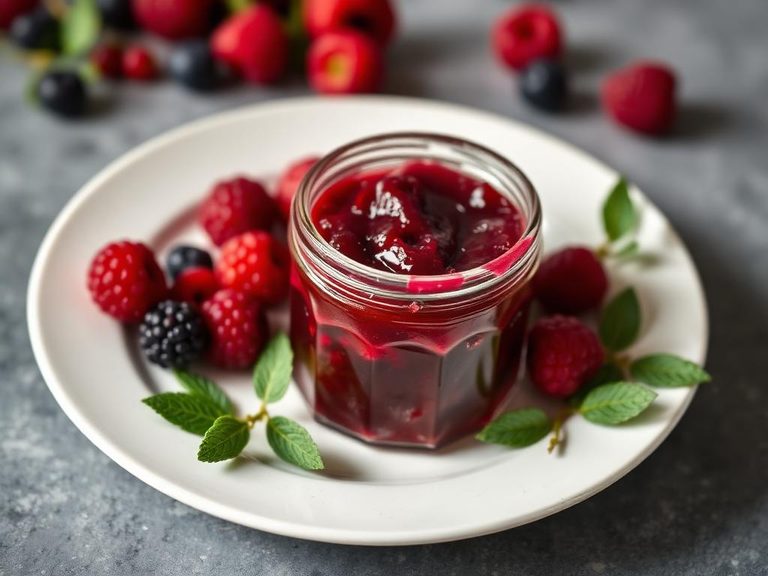
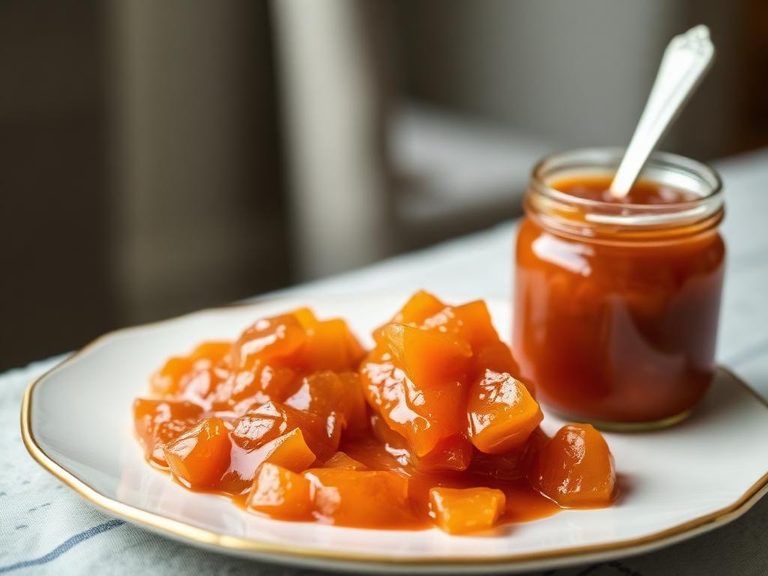
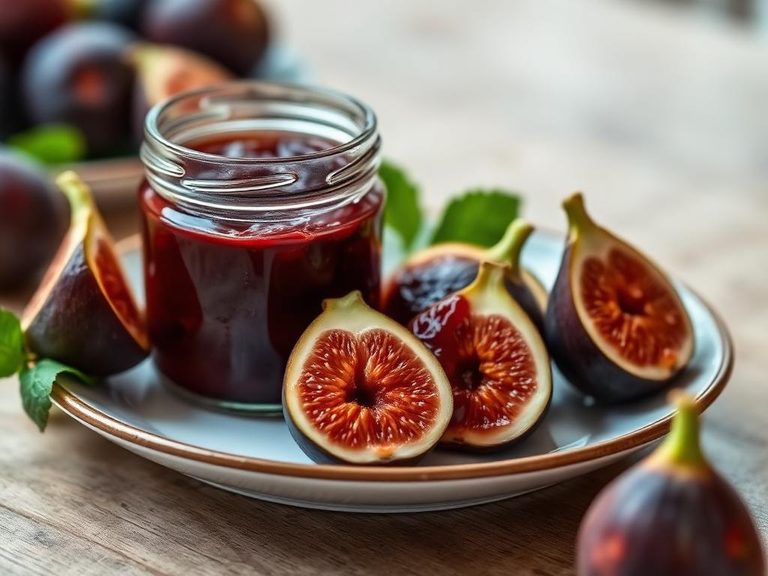
Jam or preserves are sweet spreads made by cooking fruit with sugar and sometimes pectin or lemon juice until thickened. Originating in ancient civilizations as a method of preserving seasonal fruit, they are now enjoyed worldwide on bread, pastries, and in desserts.
🍳 View the full Jam or Preserves recipe →
🍽️ Nutrition at a glance
High in carbohydrates primarily from natural and added sugars, jams provide quick energy and small amounts of vitamins like vitamin C and antioxidants from the fruit. A typical tablespoon serving contains roughly 50 calories.
Nutrition breakdown
| Calories | 52 kcal |
| Protein | 0.1 g |
| Carbs | 13.5 g |
| Fat | 0 g |
| Fiber | 0.3 g |
| Sugar | 12.5 g |
| Sodium | 10 mg |
| Potassium | 30 mg |
| Vitamin C | 2 mg |
| Iron | 0.1 mg |
| Calcium | 3 mg |
| Magnesium | 2 mg |
| Phosphorus | 3 mg |
| Manganese | 0.01 mg |
| Copper | 0.01 mg |
Per 1 tablespoon (20 g) · estimated, varies by recipe
💡 What's interesting
Culturally, jams reflect local fruit seasons and traditions, from French confiture to Middle Eastern fruit preserves. Nutritionally, they offer a concentrated source of fruit nutrients but are best enjoyed in moderation due to their sugar content.
🍽️ Related dishes

AI estimate may be inaccurate · Terms