Blueberry jam or preserves
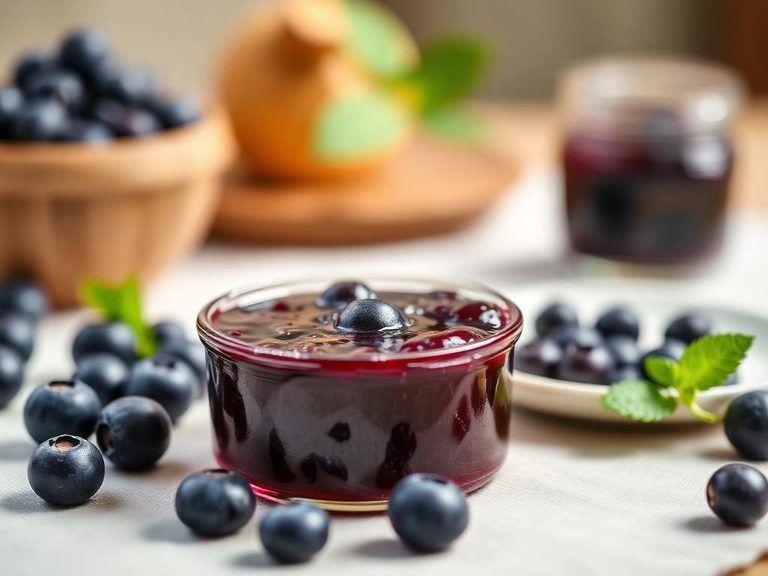
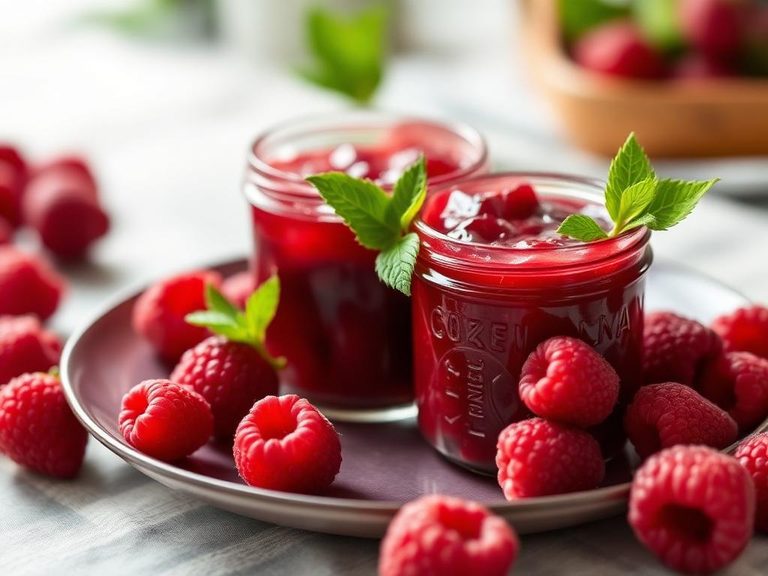
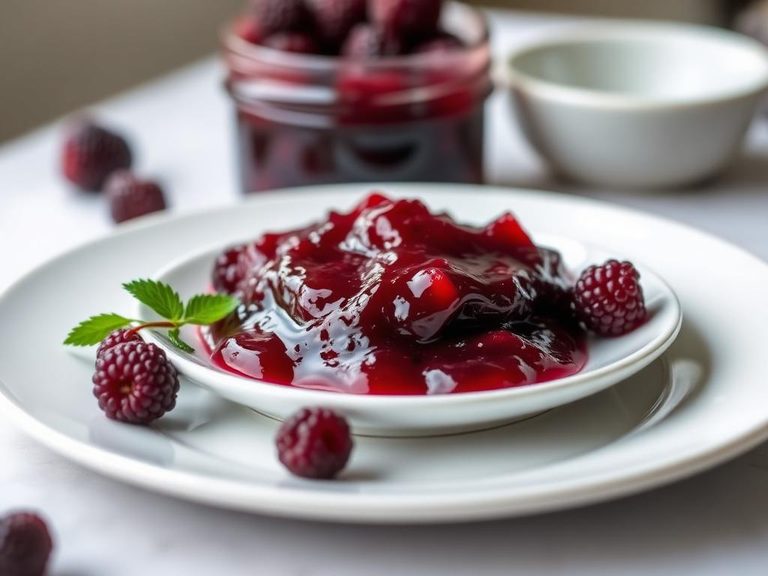
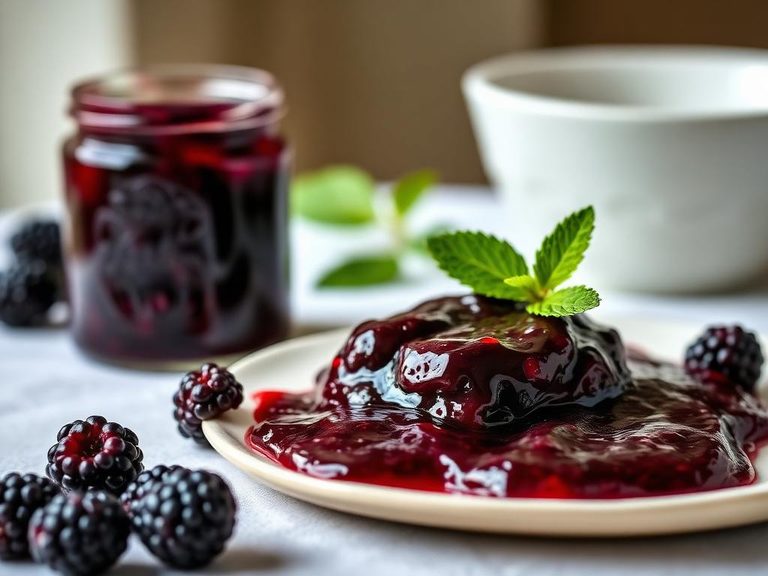
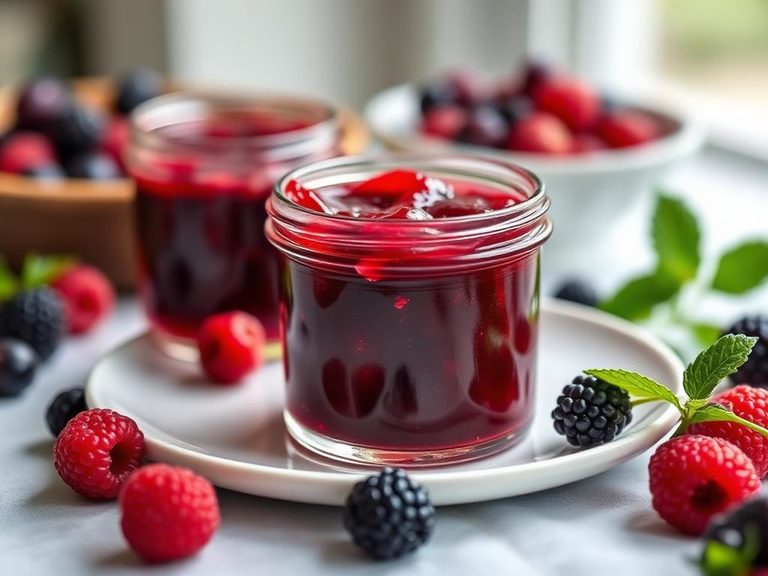
Blueberry jam is a sweet, spreadable preserve made by cooking blueberries with sugar and often pectin or lemon juice until thick. It's a popular way to enjoy the fruit's flavor year-round, especially on toast, pastries, or in desserts. While enjoyed worldwide, its tradition is particularly strong in North America and Europe where blueberries are native or widely cultivated.
🍽️ Nutrition at a glance
Blueberry jam is high in carbohydrates, primarily from natural fruit sugars and added sugar, with negligible fat and protein. It provides a quick source of energy and contains small amounts of antioxidants like vitamin C and manganese.
Nutrition breakdown
| Calories | 50 kcal |
| Protein | 0.1 g |
| Carbs | 13 g |
| Fat | 0 g |
| Fiber | 0.3 g |
| Sugar | 12 g |
| Sodium | 5 mg |
| Vitamin C | 1 mg |
| Manganese | 0.05 mg |
| Vitamin K | 1.5 mcg |
| Potassium | 20 mg |
| Copper | 0.02 mg |
Per 1 tablespoon (20 g) · estimated, varies by recipe
💡 What's interesting
Culturally, jam-making is a historic method of preserving summer fruit for winter, and blueberry jam is a staple in many breakfasts. Nutritionally, while it's a sugary treat, blueberries themselves are a 'superfood' rich in anthocyanins, some of which are retained in the jam.