Indian Tadka
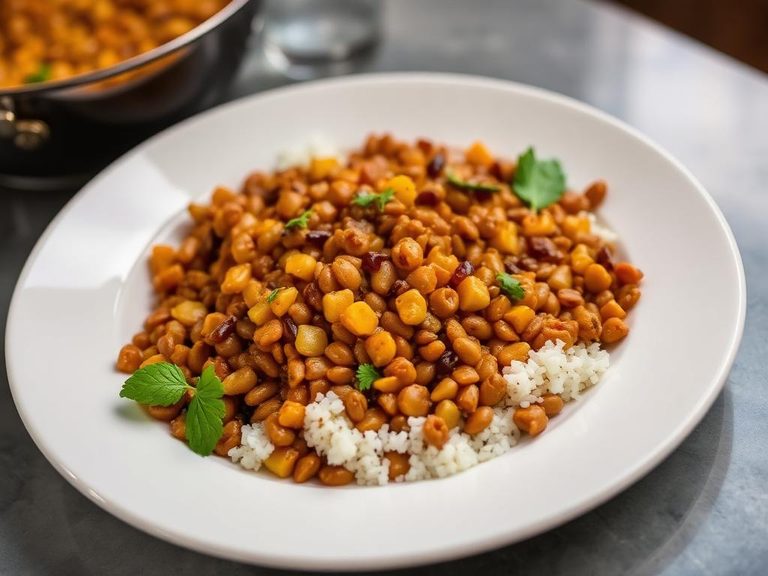
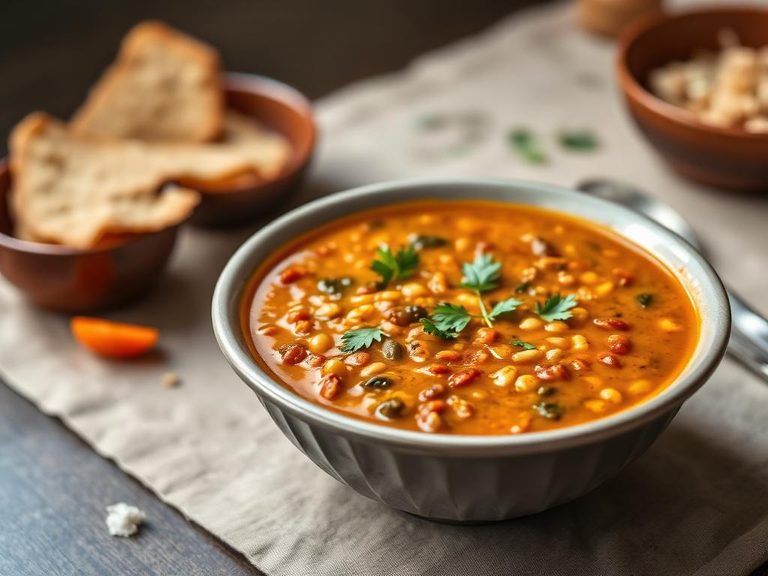
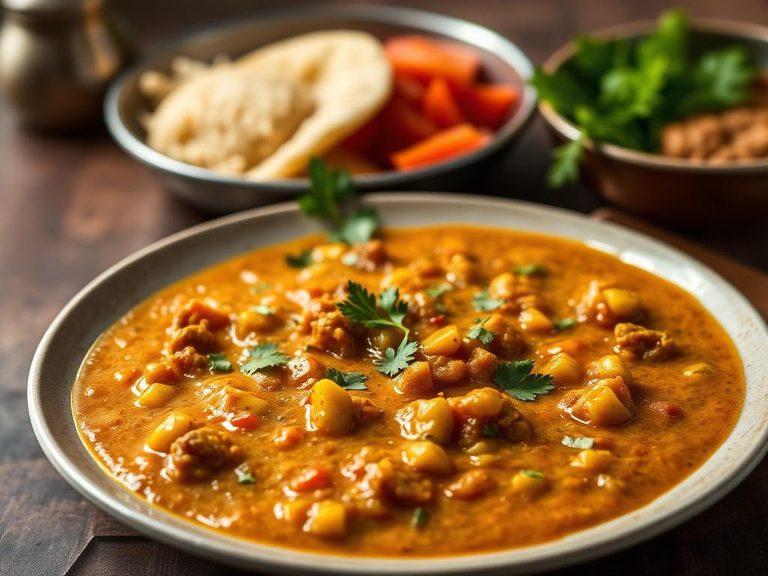
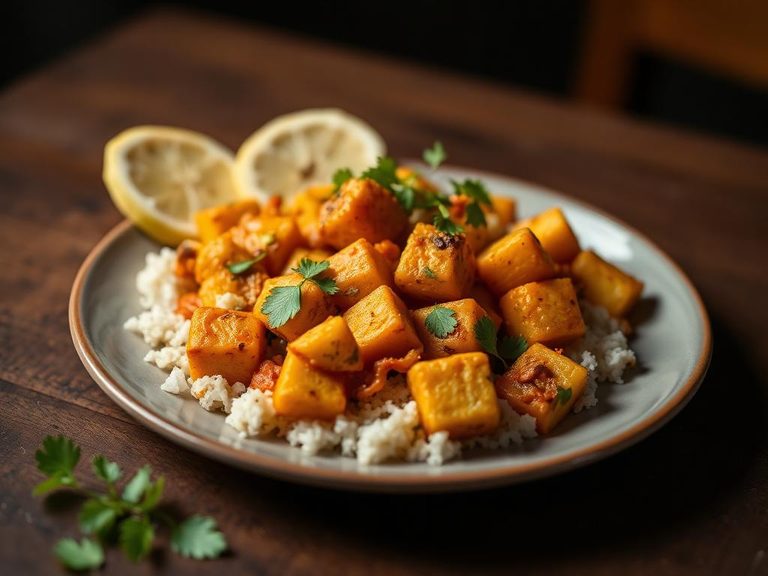
Indian Tadka is a vibrant tempering technique where whole spices like cumin, mustard seeds, and dried chilies are briefly fried in hot oil or ghee to release their essential oils, then poured over cooked lentils (dal). This aromatic infusion is a cornerstone of Indian cuisine, particularly in North and West India, transforming simple lentils into a flavorful, layered dish.
🍽️ Nutrition at a glance
Tadka itself is low in carbs and protein but adds healthy fats and calories from the oil or ghee used, while the spices contribute antioxidants and trace minerals. A typical serving of tadka over a bowl of lentils adds roughly 50-100 calories, primarily from the fat used in tempering.
Nutrition breakdown
| Calories | 120 kcal |
| Protein | 0.5 g |
| Carbs | 2 g |
| Fat | 13 g |
| Fiber | 0.5 g |
| Sugar | 0.5 g |
| Sodium | 200 mg |
| Iron | 1.5 mg |
| Manganese | 0.3 mg |
| Selenium | 1 mcg |
| Vitamin K | 10 mcg |
| Magnesium | 10 mg |
| Phosphorus | 15 mg |
| Zinc | 0.3 mg |
| Copper | 0.1 mg |
Per 2 tablespoons (30 g) · estimated, varies by recipe
💡 What's interesting
The tadka technique is a brilliant example of flavor science: frying spices in hot fat extracts fat-soluble flavor compounds that water alone cannot, creating a profound depth of aroma and taste. Nutritionally, the spices like turmeric and fenugreek in tadka have anti-inflammatory properties, and the fat helps the body absorb fat-soluble nutrients from the lentils.