Indian chapati
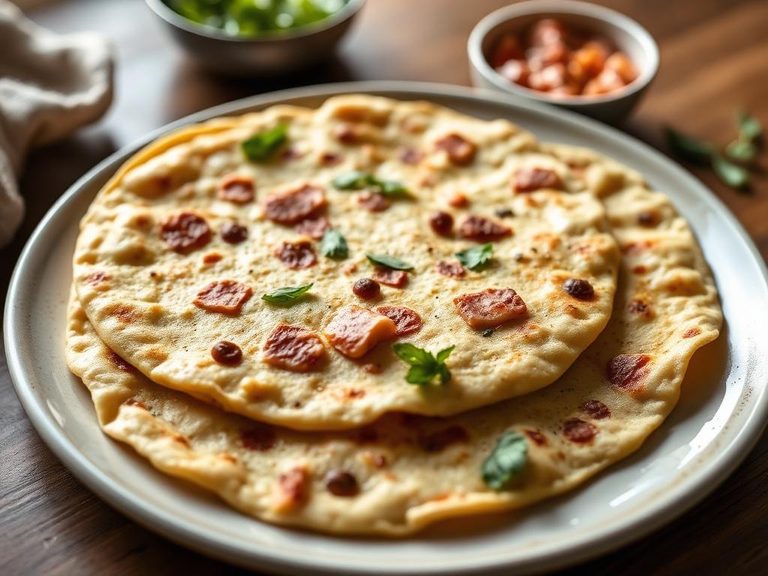
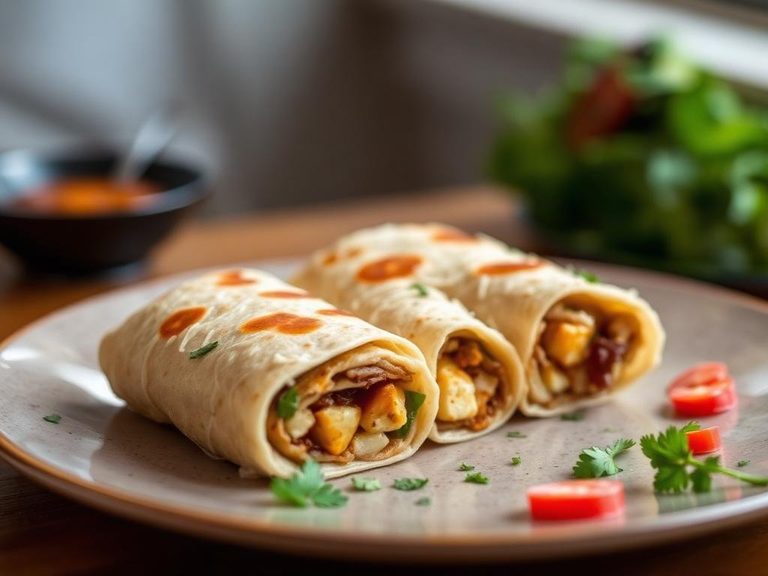
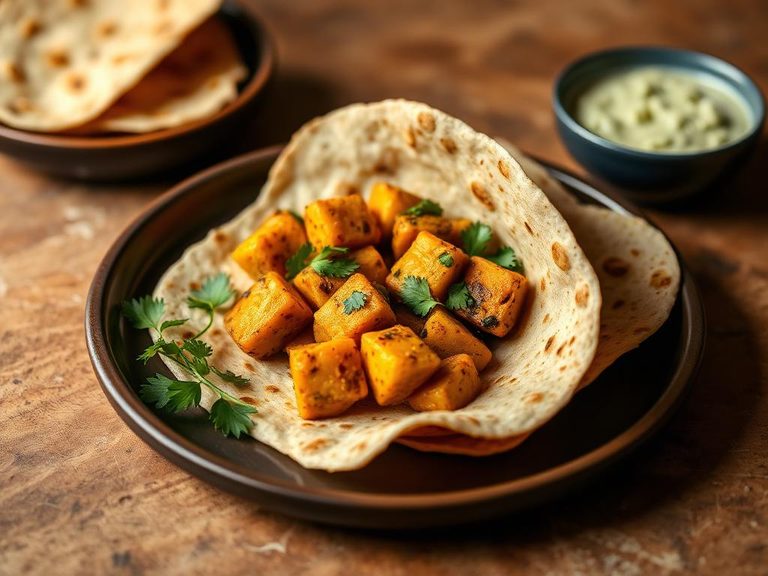
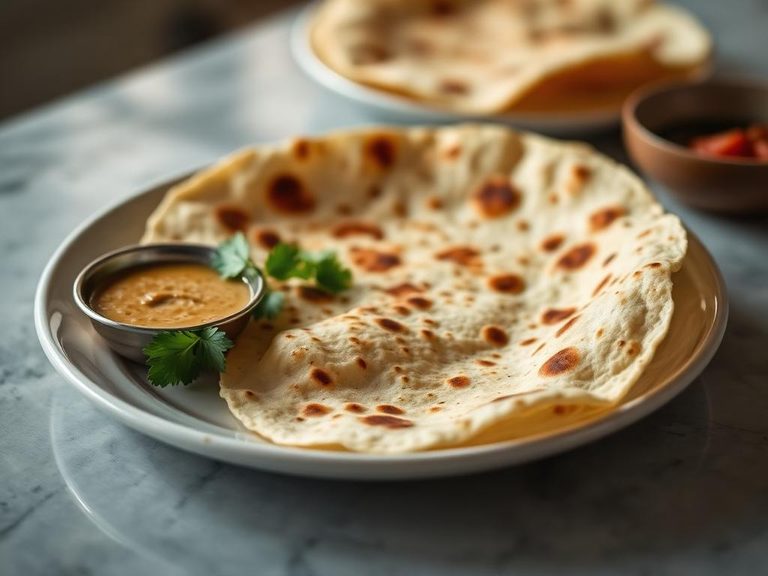
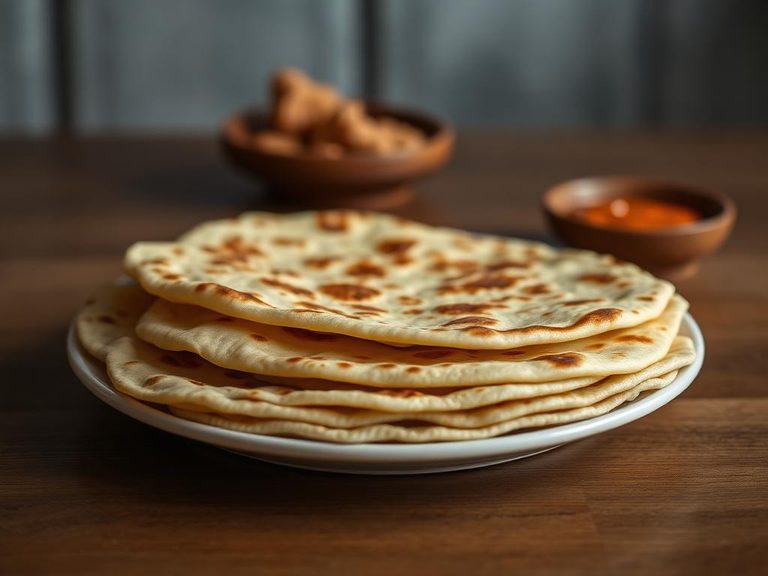
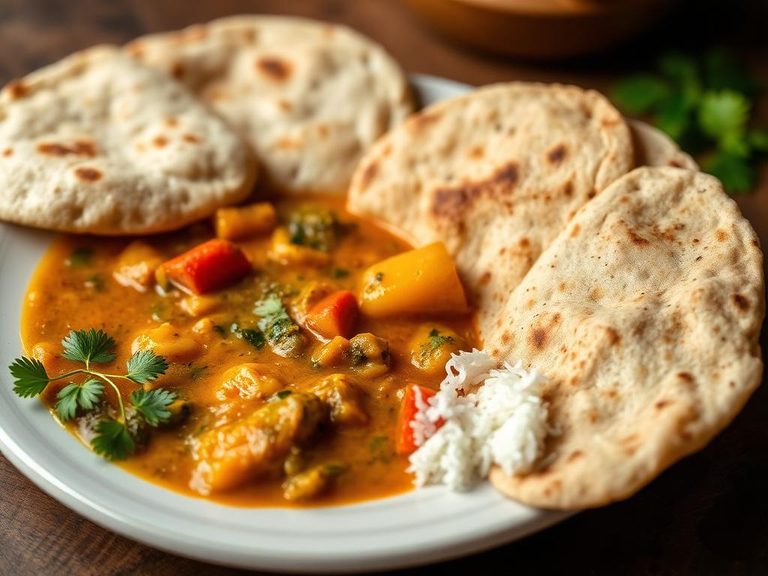
Chapati is a staple unleavened flatbread from the Indian subcontinent, made from a simple dough of whole wheat flour (atta), water, and a pinch of salt, then cooked on a hot griddle. It's a daily essential, often used to scoop up curries, dals, and vegetables, forming the backbone of many North Indian and South Asian meals.
🍽️ Nutrition at a glance
Chapati is primarily a source of complex carbohydrates and dietary fiber due to its whole wheat base, providing sustained energy with a moderate calorie count of roughly 100-150 calories per standard-sized bread. It offers essential nutrients like B vitamins, iron, and magnesium, and is naturally low in fat and sugar.
Nutrition breakdown
| Calories | 120 kcal |
| Protein | 3.5 g |
| Carbs | 22 g |
| Fat | 1.5 g |
| Fiber | 3 g |
| Sugar | 1 g |
| Sodium | 150 mg |
| Iron | 1.2 mg |
| Magnesium | 25 mg |
| Phosphorus | 80 mg |
| Potassium | 100 mg |
| Thiamin (B1) | 0.15 mg |
| Niacin (B3) | 1.8 mg |
| Folate | 30 mcg |
| Manganese | 0.7 mg |
Per 1 chapati (about 40 g) · estimated, varies by recipe
💡 What's interesting
Culturally, chapati is deeply symbolic of sustenance and home in India, with the act of making it by hand considered a daily ritual. Nutritionally, its whole grain content makes it a healthier alternative to refined flour breads, supporting digestive health and steady blood sugar levels.