Homemade baby food blend
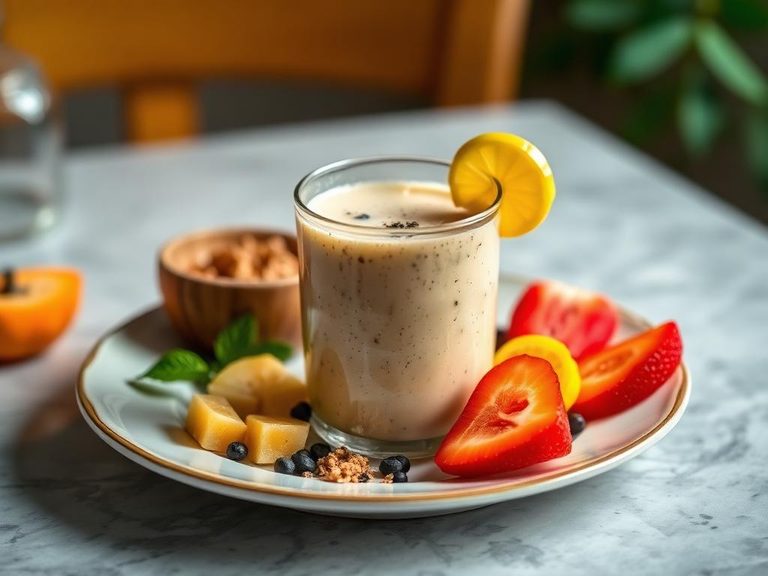
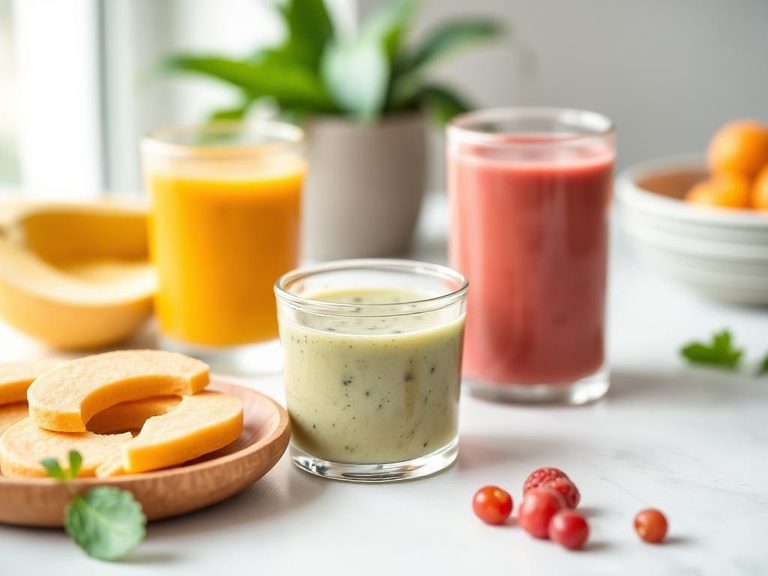
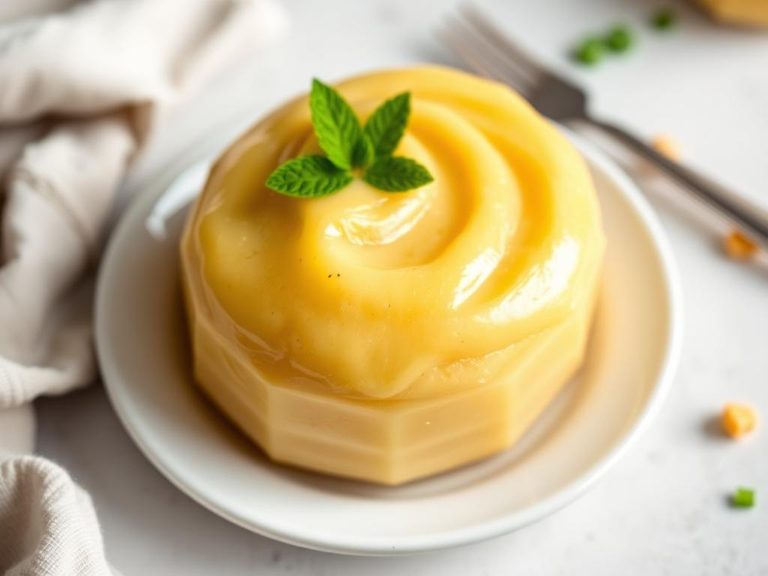
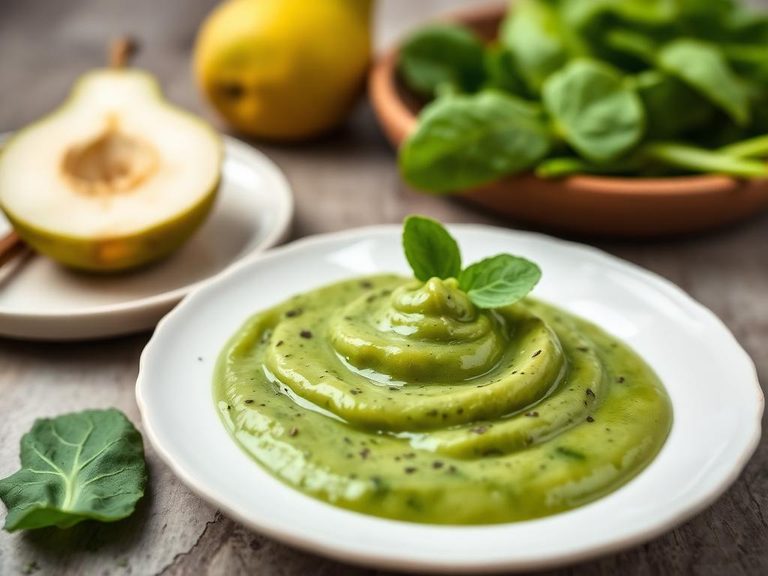
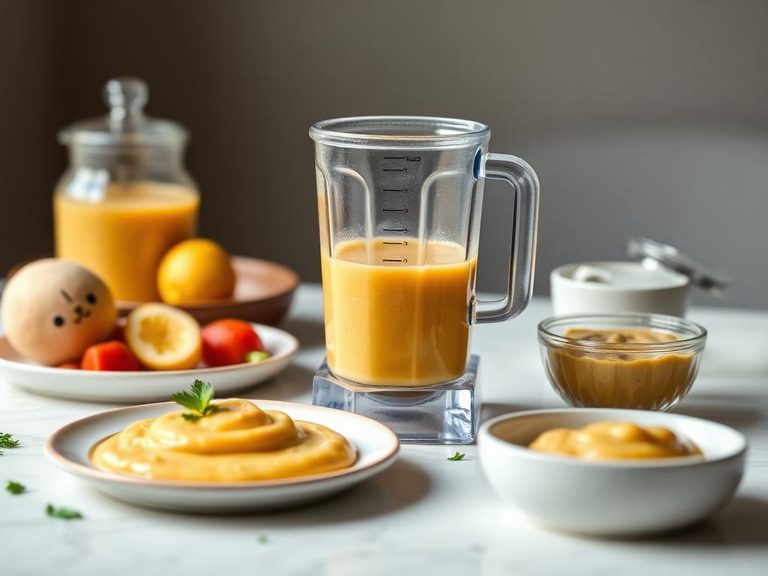
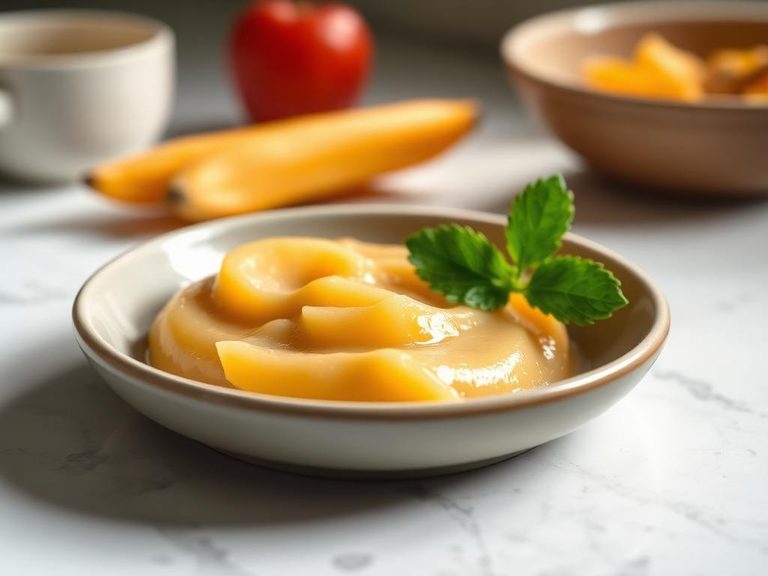
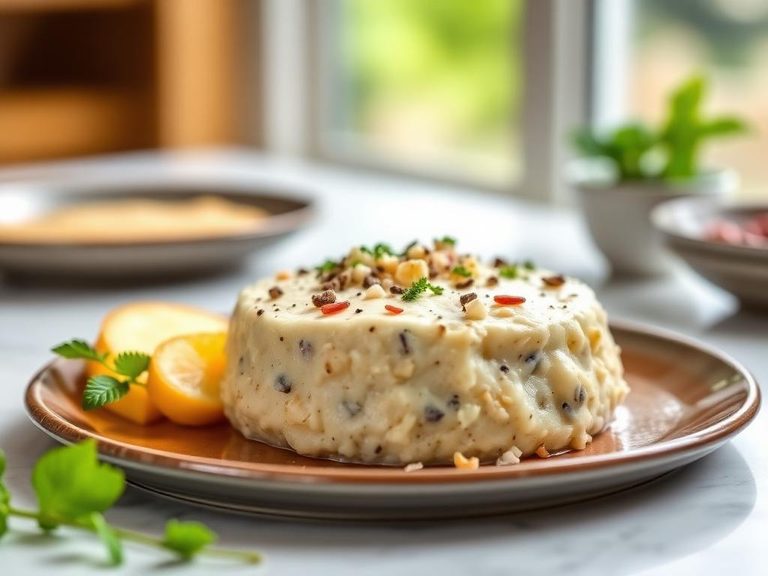
Homemade baby food blends are smooth or textured purees made from single or combined ingredients, typically including vegetables like carrots or sweet potatoes, fruits like apples or bananas, and sometimes iron-fortified cereals or mild proteins. Originating from home kitchens worldwide, they are a universal first-food tradition for infants transitioning to solids.
🍽️ Nutrition at a glance
These blends are generally balanced, often providing a mix of carbohydrates for energy, along with essential vitamins and minerals like vitamin A, potassium, and iron from added cereals. A typical serving (around 2-4 ounces) is relatively low in calories, usually ranging from 50 to 100 calories, depending on the ingredients used.
Nutrition breakdown
| Calories | 80 kcal |
| Protein | 2 g |
| Carbs | 15 g |
| Fat | 1 g |
| Fiber | 3 g |
| Sugar | 6 g |
| Sodium | 20 mg |
| Vitamin A | 150 mcg RAE |
| Vitamin C | 15 mg |
| Vitamin K | 10 mcg |
| Folate | 30 mcg |
| Calcium | 40 mg |
| Iron | 1 mg |
| Potassium | 200 mg |
| Magnesium | 15 mg |
Per 1/2 cup (120 g) · estimated, varies by recipe
💡 What's interesting
Culturally, homemade baby food reflects regional dietary staples, from rice-based congees in Asia to avocado or squash purees in the Americas. Nutritionally, it's unique for allowing parents to control texture and introduce allergens early in a controlled way, supporting both developmental and immune system growth.