

Hojicha Roasted Tea Cookies
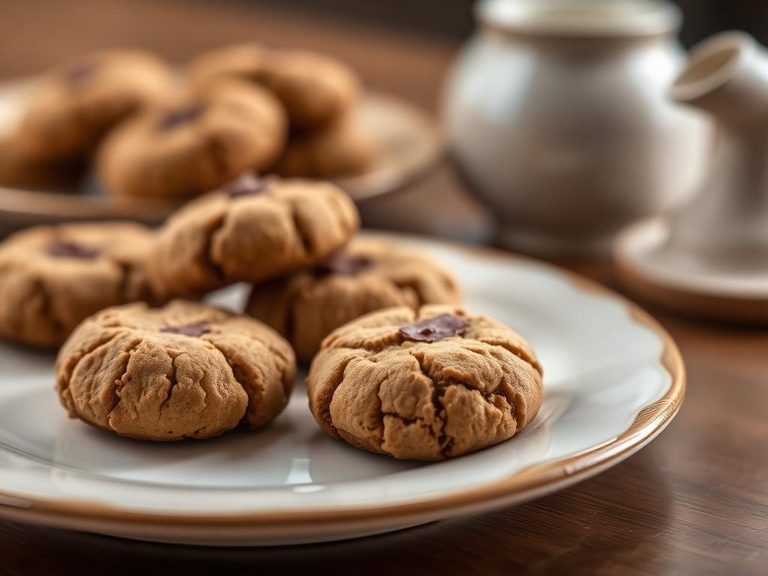
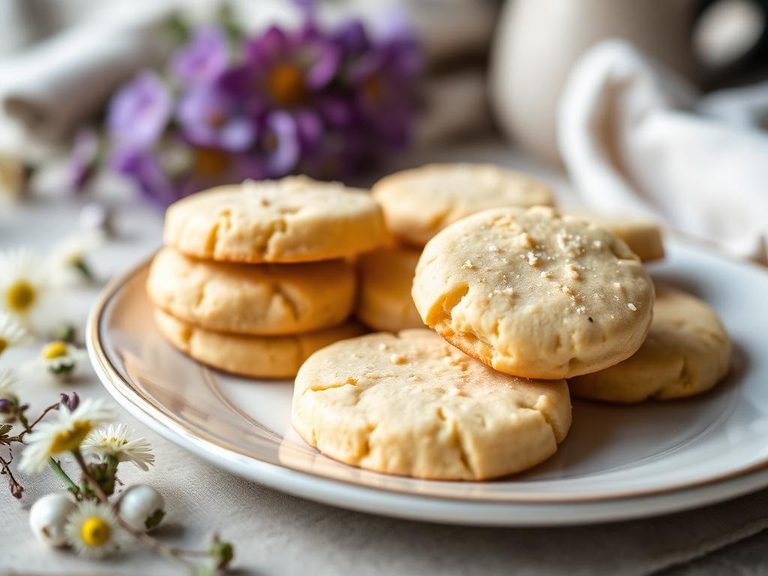
Hojicha roasted tea cookies are a Japanese-inspired treat that blends the earthy, toasty notes of hojicha—a roasted green tea—into a buttery, crumbly cookie dough. Typically made with flour, butter, sugar, and a generous amount of finely ground hojicha powder, they often feature a simple, elegant appearance, sometimes dusted with matcha or rolled in sesame seeds. This delightful fusion of Western cookie technique and traditional Japanese tea flavors has become a popular item in modern Japanese bakeries and home kitchens.
🍽️ Nutrition at a glance
These cookies are generally high in carbohydrates and fat due to the butter and sugar content, with a modest amount of protein from the flour. They provide small amounts of antioxidants from the hojicha tea and a rough calorie estimate is around 120-150 calories per cookie, depending on size and exact recipe.
Nutrition breakdown
| Calories | 190 kcal |
| Protein | 2 g |
| Carbs | 26 g |
| Fat | 9 g |
| Fiber | 1 g |
| Sugar | 12 g |
| Sodium | 120 mg |
| Iron | 1.5 mg |
| Calcium | 20 mg |
| Potassium | 45 mg |
| Magnesium | 10 mg |
| Phosphorus | 30 mg |
| Vitamin B1 (Thiamin) | 0.1 mg |
| Vitamin B2 (Riboflavin) | 0.05 mg |
| Niacin (B3) | 0.8 mg |
Per 2 cookies (40 g) · estimated, varies by recipe
💡 What's interesting
What makes hojicha cookies unique is the use of roasted green tea, which has a lower caffeine content and a distinctive nutty, caramel-like flavor that sets it apart from typical tea-infused sweets. Nutritionally, hojicha is known for its calming properties and potential digestive benefits, adding a functional twist to a classic dessert.
🍽️ Related dishes


AI estimate may be inaccurate · Terms