Hawaiian Spam Musubi
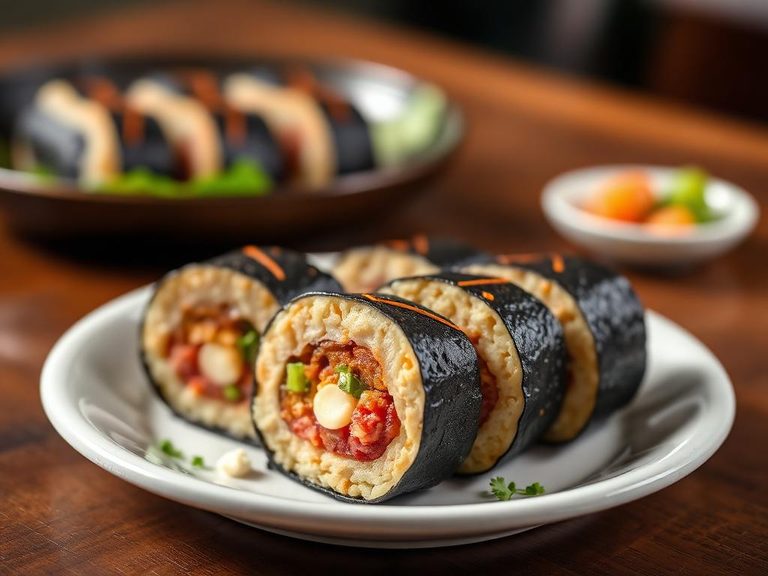
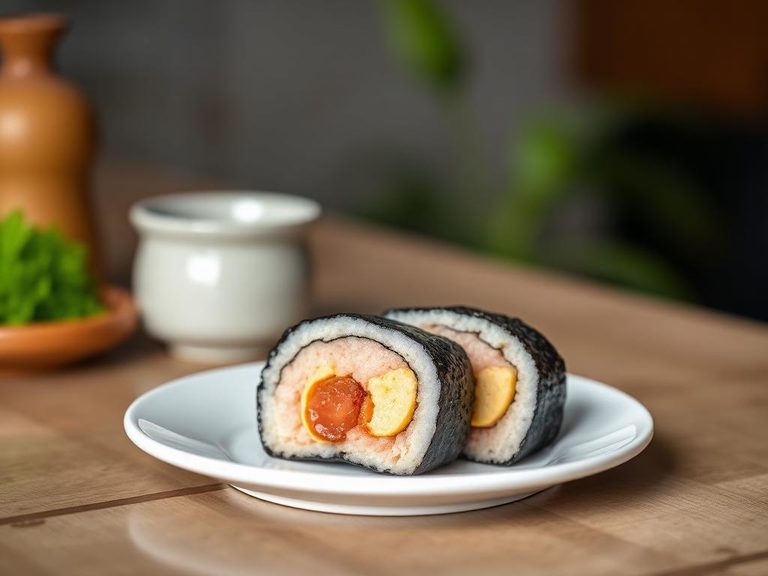
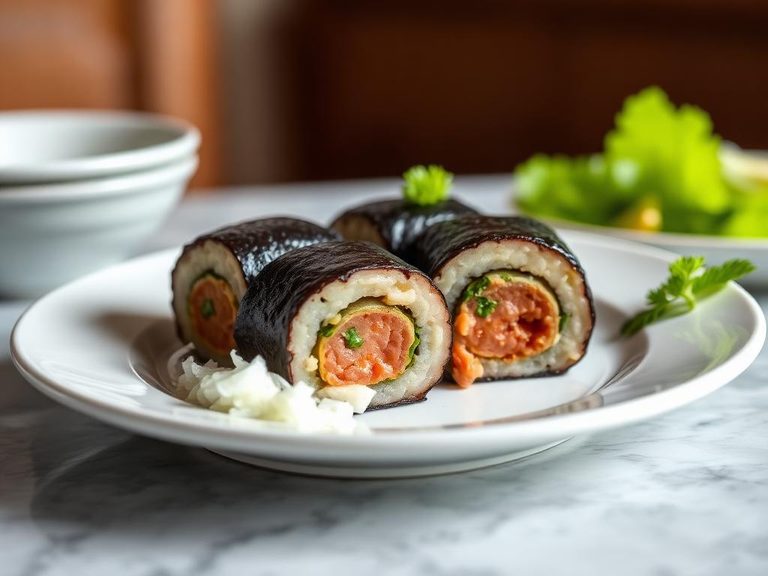
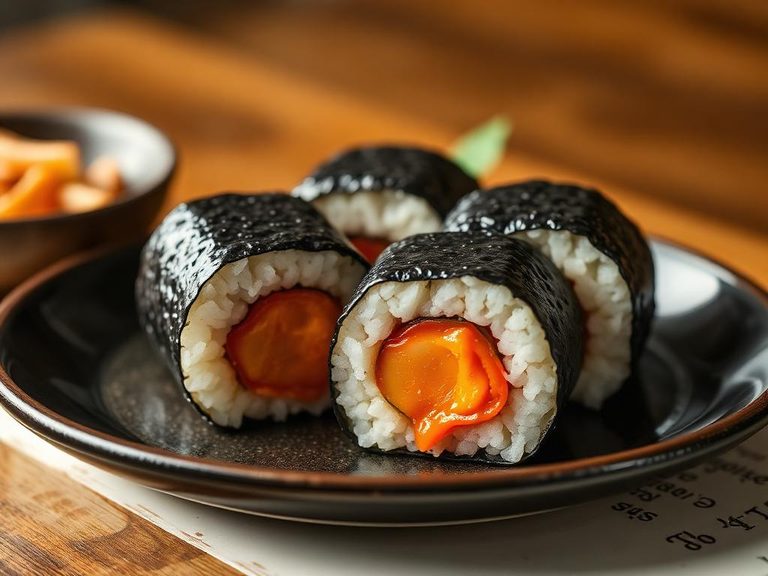
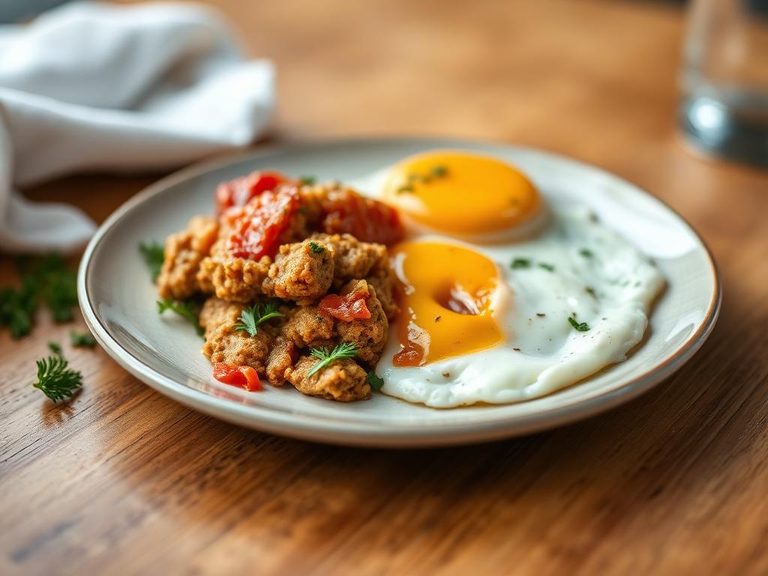
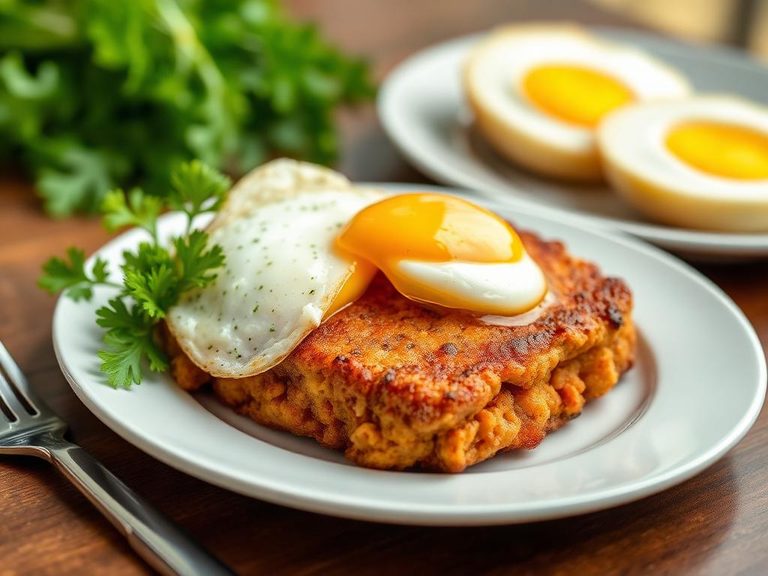
Hawaiian Spam Musubi (deconstructed) is a playful, easy-to-eat twist on the beloved island snack, separating the core components of grilled Spam, sushi rice, and nori for a build-your-own experience. It typically features slices of savory grilled Spam, a bed of seasoned rice, and crispy seaweed sheets. This dish is a staple of Hawaiian 'plate lunch' culture and convenience stores.
🍽️ Nutrition at a glance
This dish is high in both carbohydrates from the rice and fat from the Spam, providing a quick and dense source of energy. A typical serving offers a notable amount of protein, sodium, and some B vitamins, with a calorie count that can range from 300 to 500 depending on portion sizes.
Nutrition breakdown
| Calories | 280 kcal |
| Protein | 8 g |
| Carbs | 35 g |
| Fat | 11 g |
| Fiber | 0.5 g |
| Sugar | 2 g |
| Sodium | 780 mg |
| Iron | 1.5 mg |
| Potassium | 130 mg |
| Niacin (B3) | 3.5 mg |
| Vitamin B6 | 0.2 mg |
| Phosphorus | 85 mg |
| Selenium | 10 mcg |
| Thiamin (B1) | 0.2 mg |
| Folate | 30 mcg |
Per 1 piece (approx. 115 g) · estimated, varies by recipe
💡 What's interesting
Culturally, it's a perfect example of Hawaii's unique local food scene, born from the convergence of Japanese rice ball traditions and the post-WWII popularity of canned Spam. Nutritionally, it's a fascinating study in contrasts—a highly processed meat paired with a whole grain, creating a meal that is both a comfort food and a substantial energy source.