Ground into flour for baking
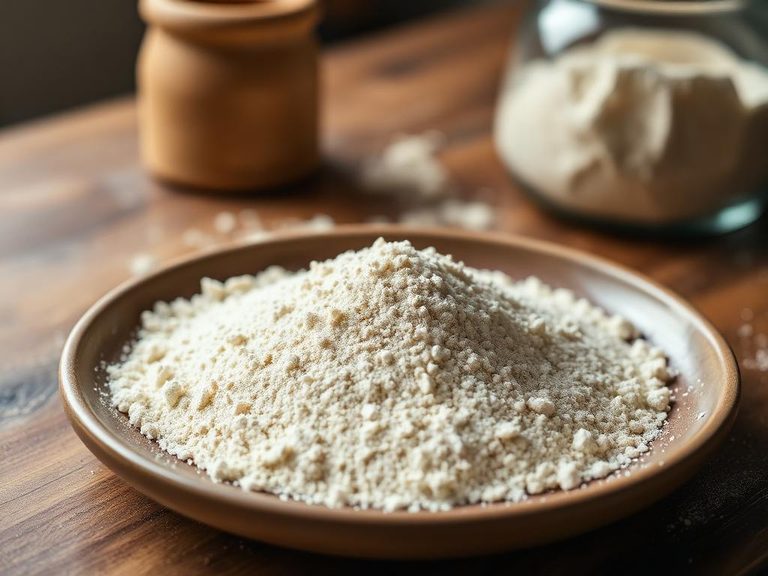
This refers to a wide variety of grains and legumes that are milled into a fine powder to serve as the foundational ingredient for baking breads, pastries, and other goods. The most common example is wheat flour, but it can also be made from rice, corn, oats, chickpeas, or almonds. The process of grinding unlocks the grain's starches and proteins, allowing them to form doughs and batters.
🍽️ Nutrition at a glance
Flour is predominantly a source of carbohydrates, providing energy for the body. Depending on the source (whole grain vs. refined), it can also offer significant dietary fiber, protein, and essential minerals like iron and B vitamins.
Nutrition breakdown
| Calories | 110 kcal |
| Protein | 3 g |
| Carbs | 23 g |
| Fat | 0.5 g |
| Fiber | 1 g |
| Sugar | 0.5 g |
| Sodium | 0 mg |
| Iron | 1.5 mg |
| Thiamin (B1) | 0.2 mg |
| Niacin (B3) | 2 mg |
| Folate | 40 mcg |
| Magnesium | 8 mg |
| Phosphorus | 35 mg |
| Selenium | 6 mcg |
| Manganese | 0.3 mg |
Per 1/4 cup (30 g) · estimated, varies by recipe
💡 What's interesting
The transformation of a hard, inedible grain kernel into a versatile, life-sustaining powder is one of the most important technological advancements in human history, enabling the development of settled agriculture and complex societies.
🍽️ Related dishes
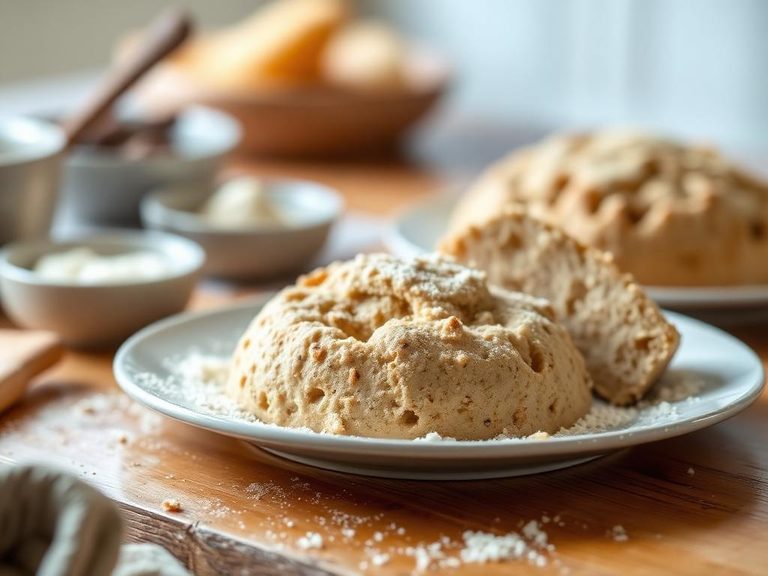 Ground into flour for protein-rich baking
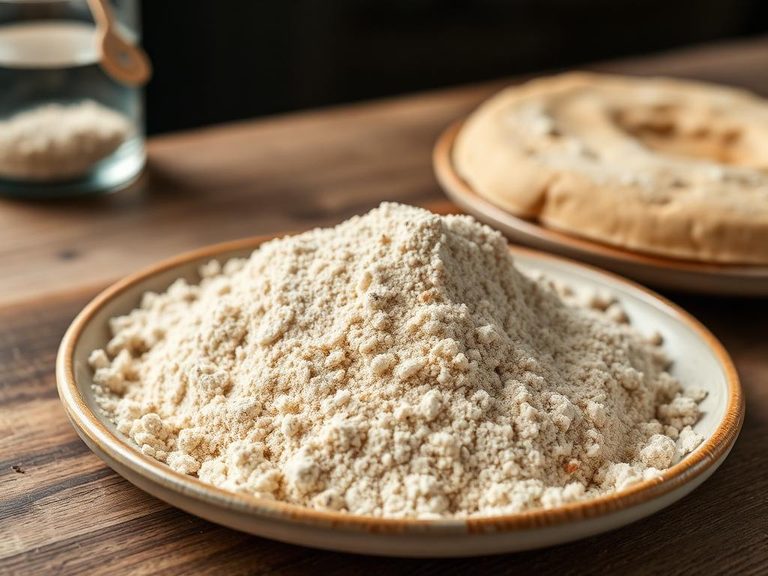 Ground into a sweet flour for tortillas or breads
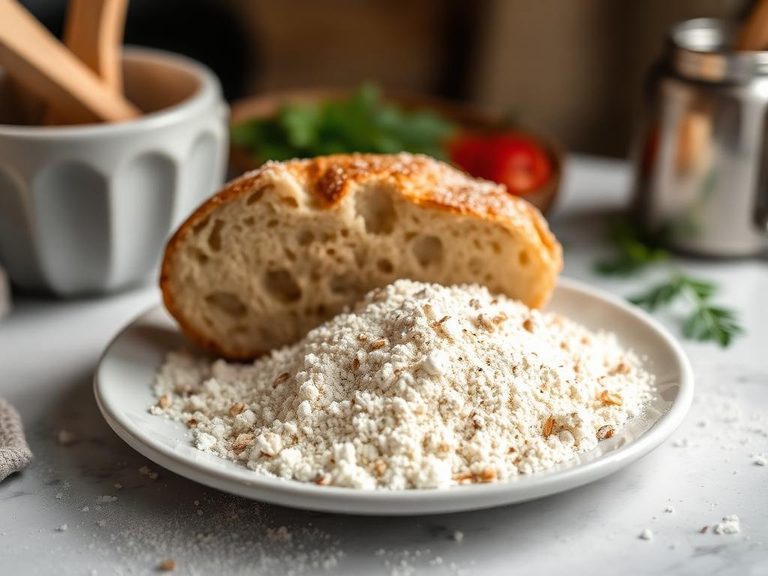 Ground into a flour for bread
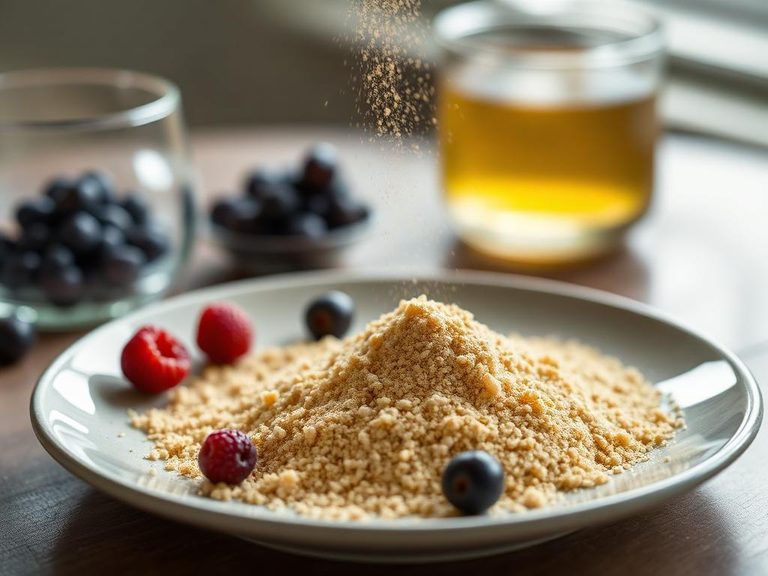 Ground into a powder for seasoning or mixing with berries
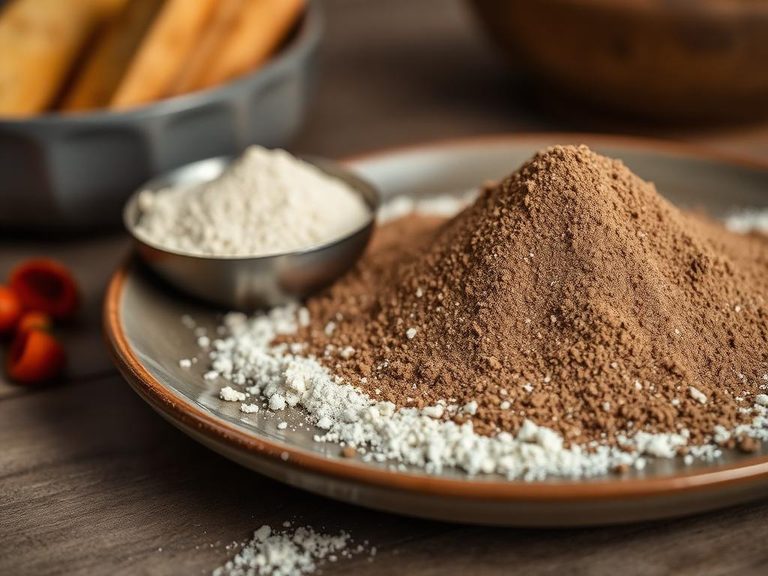 Ground into a powder for soups or breads
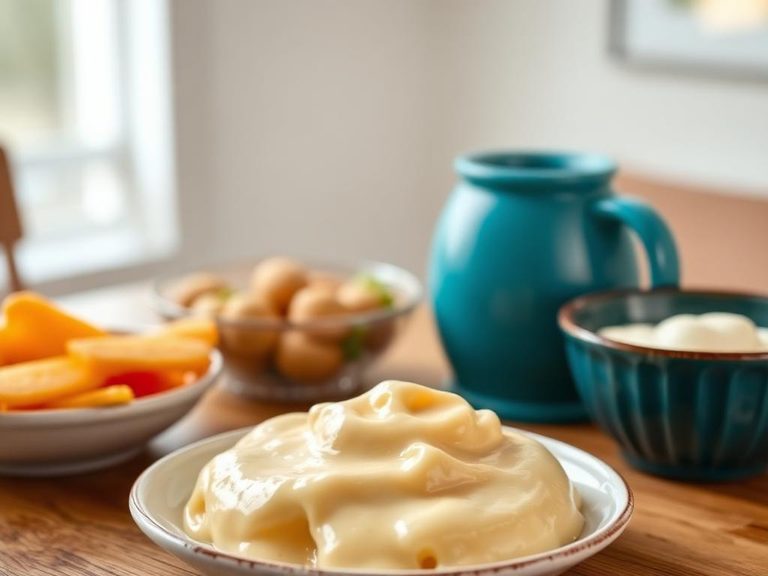 Incorporated into homemade infant formula recipes
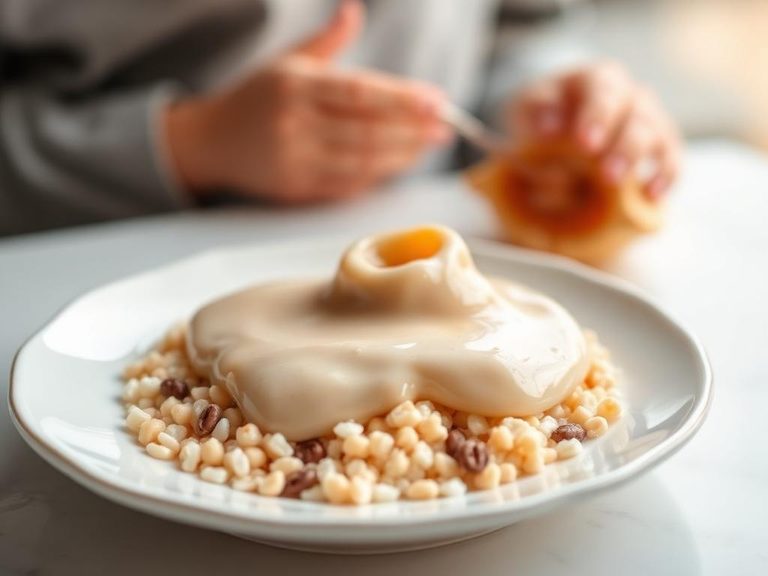 Formula mixed into infant cereal
 Blended into iron-fortified baby cereal