

Gluten-free baked goods
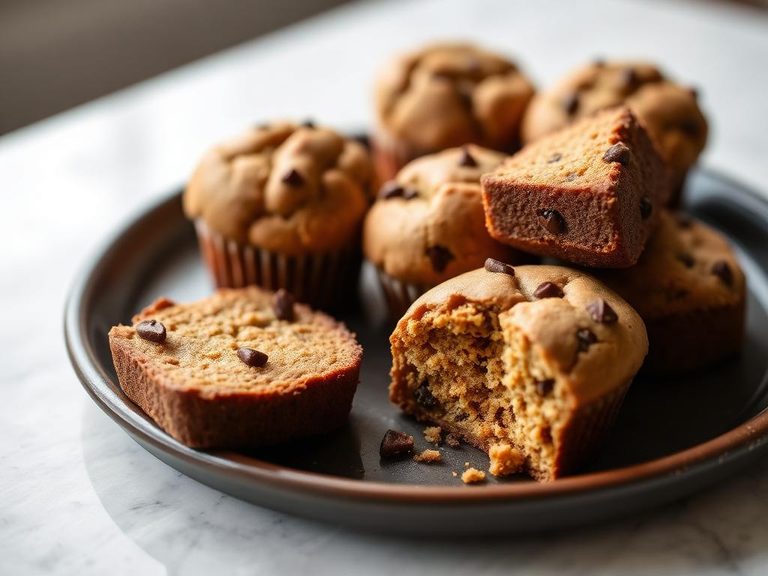
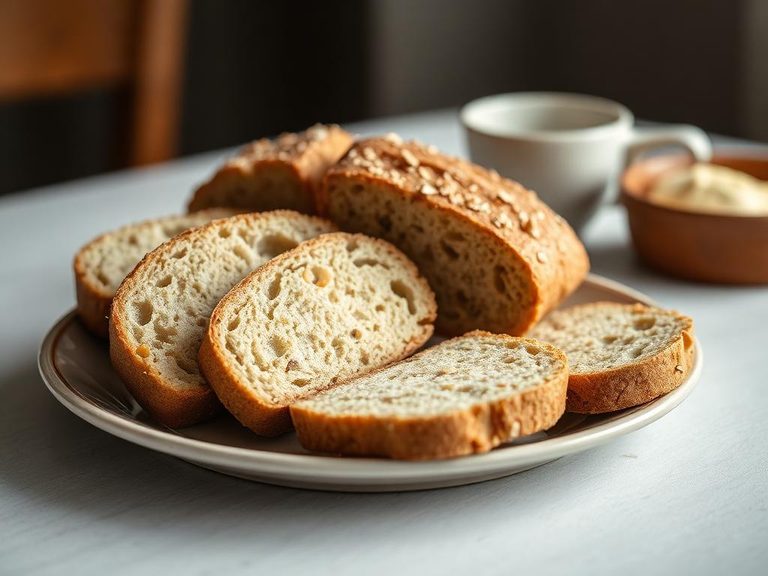
Gluten-free baked goods are a diverse category of pastries, breads, and cakes made without wheat, barley, or rye flours, often using alternative flours like almond, rice, or oat flour. They are a modern adaptation of traditional baking, originating from the need to accommodate celiac disease and gluten sensitivity, and have become popular in health-conscious and mainstream kitchens worldwide.
🍳 View the full Gluten-free baked goods recipe →
🍽️ Nutrition at a glance
These items are typically high in carbohydrates and fats, depending on the recipe, but can be a good source of fiber and certain minerals if made with whole-food ingredients. A standard serving, like a muffin or slice of bread, usually ranges from 150 to 300 calories.
Nutrition breakdown
| Calories | 280 kcal |
| Protein | 5 g |
| Carbs | 38 g |
| Fat | 13 g |
| Fiber | 3 g |
| Sugar | 16 g |
| Sodium | 210 mg |
| Iron | 2.5 mg |
| Magnesium | 45 mg |
| Phosphorus | 120 mg |
| Potassium | 180 mg |
| Vitamin B6 | 0.2 mg |
| Folate | 60 mcg |
| Vitamin E | 4 mg |
| Selenium | 8 mcg |
Per 1 medium muffin (110 g) · estimated, varies by recipe
💡 What's interesting
Culturally, they represent a significant shift in baking traditions, making celebratory foods accessible to those with dietary restrictions. Nutritionally, they often showcase the creative use of nutrient-dense flours like almond or coconut, which can offer more protein and healthy fats than refined wheat flour.
🍽️ Related dishes
AI estimate may be inaccurate · Terms