

Sugar-free baked goods
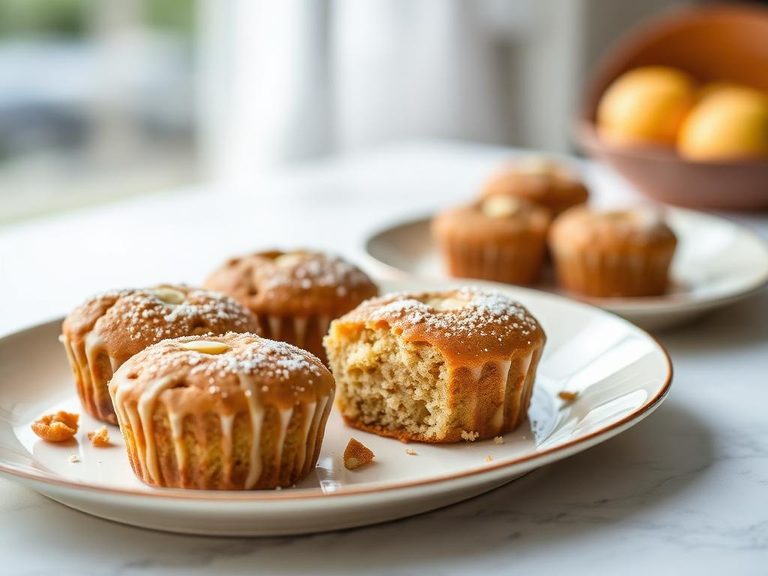
Sugar-free baked goods are a category of desserts and snacks made without added sugars, often relying on natural sweetness from fruits, vegetables, or sugar substitutes. They typically use ingredients like almond flour, coconut flour, oats, eggs, and sugar-free sweeteners such as stevia or erythritol. This approach to baking has gained popularity globally, particularly in health-conscious communities and among those managing dietary restrictions.
🍽️ Nutrition at a glance
These baked goods are generally lower in carbohydrates and sugar compared to traditional versions, but their fat and protein content can vary widely depending on the recipe. They provide a good source of fiber and certain minerals like magnesium and potassium, with a typical serving ranging from 150 to 250 calories.
Nutrition breakdown
| Calories | 180 kcal |
| Protein | 6 g |
| Carbs | 12 g |
| Fat | 13 g |
| Fiber | 4 g |
| Sugar | 1 g |
| Sodium | 120 mg |
| Magnesium | 45 mg |
| Potassium | 180 mg |
| Iron | 1.2 mg |
| Vitamin E | 3 mg |
| Calcium | 60 mg |
| Phosphorus | 95 mg |
Per 1 medium muffin (85 g) · estimated, varies by recipe
💡 What's interesting
Sugar-free baking is a fascinating intersection of culinary tradition and modern nutrition science, allowing people to enjoy familiar treats while aligning with specific health goals. It often highlights the natural flavors of ingredients like nuts and spices, which can be overshadowed by sugar in conventional recipes.
🍽️ Related dishes


AI estimate may be inaccurate · Terms