

Glaze for Roasted Vegetables
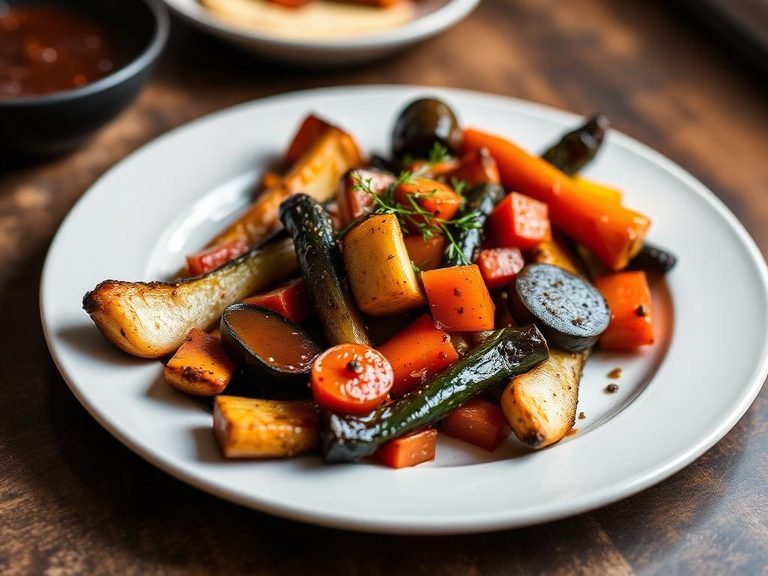
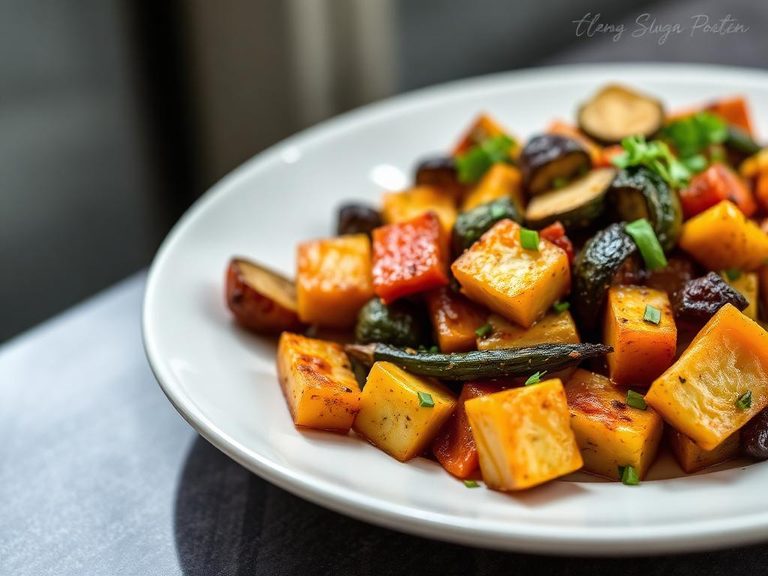
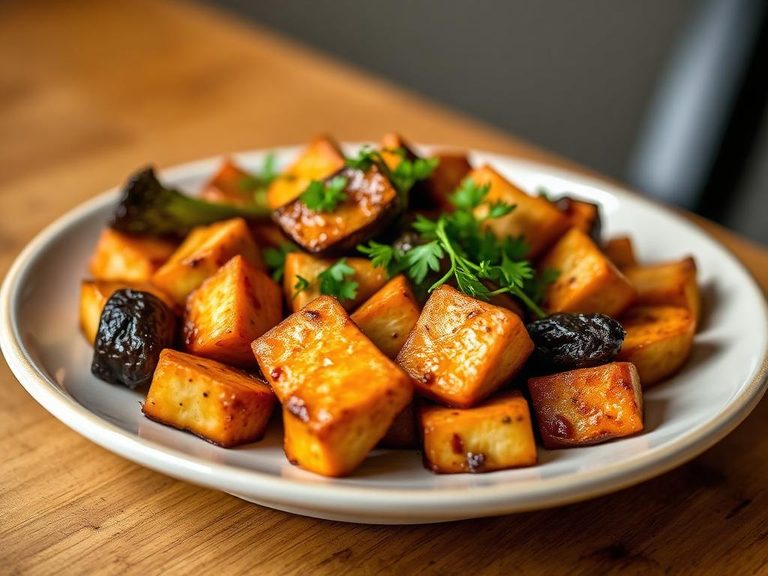
A glaze for roasted vegetables is a sweet and savory coating applied before or during cooking to enhance flavor and create a beautiful caramelized finish. It typically combines a sweetener like honey or maple syrup with an acid such as balsamic vinegar or citrus juice, along with oil, herbs, and spices. This technique is popular in Western cuisines, particularly in American and Mediterranean cooking, to elevate simple roasted vegetables.
🍽️ Nutrition at a glance
A typical serving adds about 50-100 calories, primarily from natural sugars and fats. It provides quick energy from carbohydrates and may include small amounts of antioxidants from ingredients like garlic or herbs, but is not a significant source of protein or fiber on its own.
Nutrition breakdown
| Calories | 70 kcal |
| Protein | 0.1 g |
| Carbs | 12 g |
| Fat | 2.5 g |
| Fiber | 0.2 g |
| Sugar | 10 g |
| Sodium | 200 mg |
| Potassium | 40 mg |
| Vitamin C | 2 mg |
| Vitamin A | 15 mcg RAE |
| Vitamin K | 3 mcg |
| Vitamin E | 0.5 mg |
| Iron | 0.2 mg |
| Calcium | 10 mg |
| Magnesium | 3 mg |
Per 2 tablespoons (30 g) · estimated, varies by recipe
💡 What's interesting
Glazing is a classic culinary technique that transforms humble vegetables into a gourmet side dish, highlighting the natural sugars through caramelization. Nutritionally, it can make vegetables more appealing and palatable, encouraging increased consumption of nutrient-dense produce.
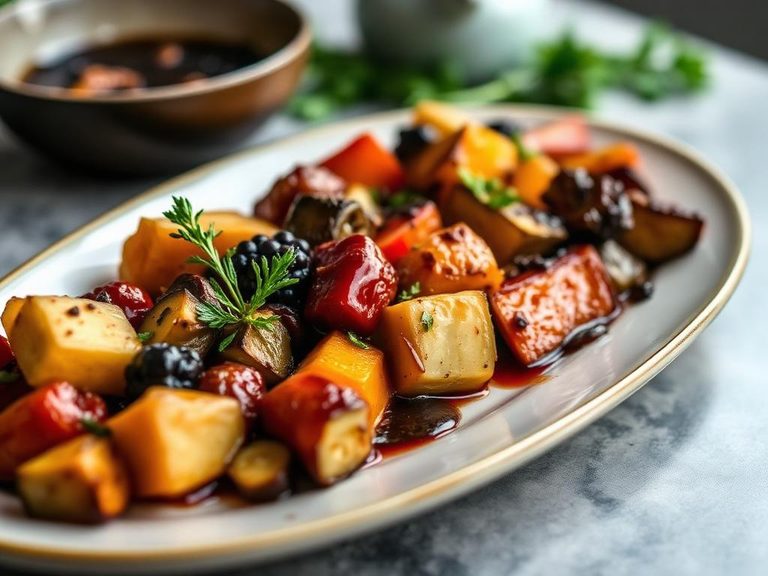
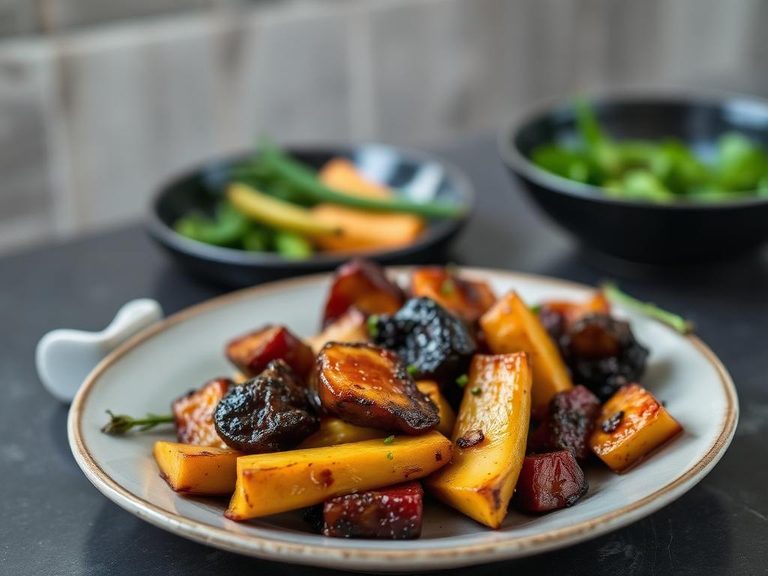
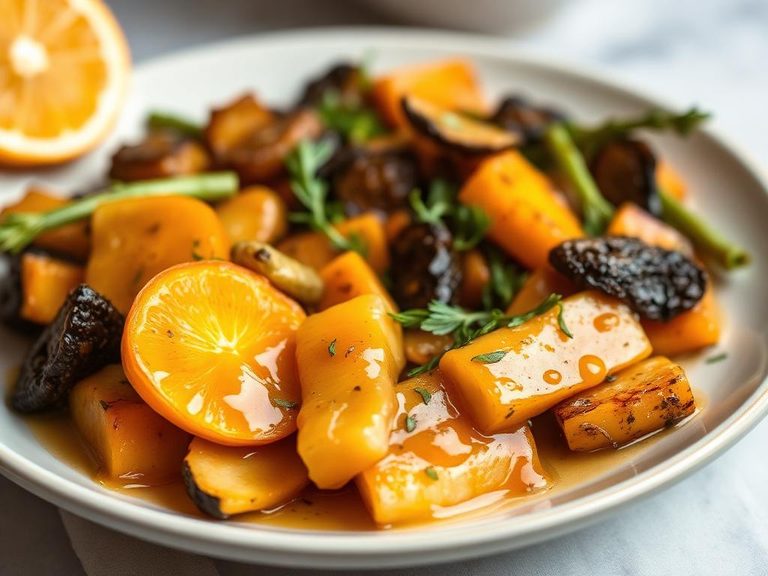
🍽️ Related dishes


AI estimate may be inaccurate · Terms