

Frozen pie crusts
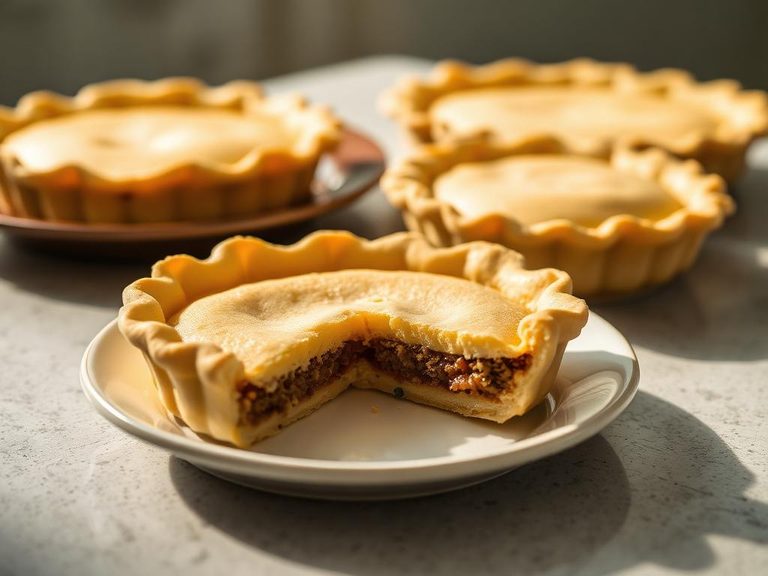
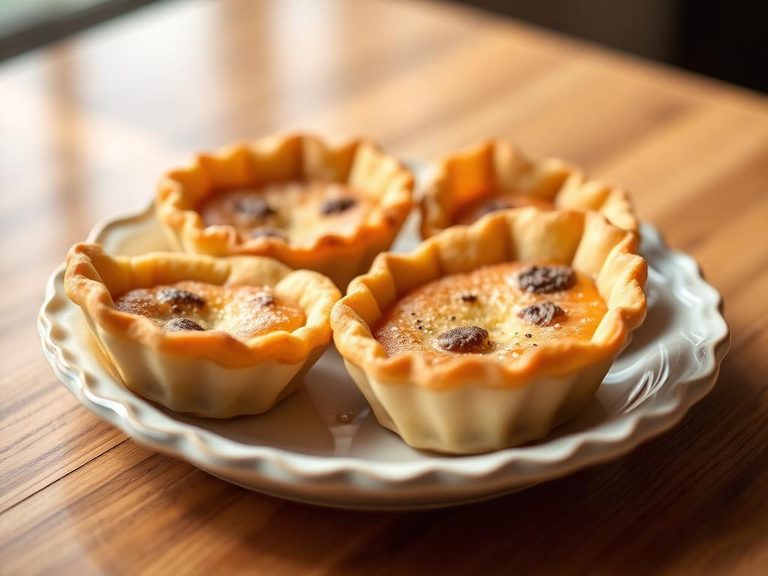
Frozen pie crusts are pre-made, unbaked pastry shells, typically made from flour, fat (like butter, shortening, or lard), salt, and water, sold frozen for convenience. They serve as a ready-to-use base for both sweet fruit pies and savory dishes like quiches or pot pies. This product is a staple of modern home baking, originating from the need for time-saving kitchen solutions.
🍽️ Nutrition at a glance
A typical frozen pie crust is high in carbohydrates and fat, with minimal protein. It primarily provides energy from calories and small amounts of iron and B vitamins from the flour, but is not considered a significant source of most nutrients.
Nutrition breakdown
| Calories | 600 kcal |
| Protein | 7 g |
| Carbs | 55 g |
| Fat | 40 g |
| Fiber | 2 g |
| Sugar | 0 g |
| Sodium | 450 mg |
| Iron | 3 mg |
| Thiamin (B1) | 0.4 mg |
| Niacin (B3) | 3.5 mg |
| Folate | 80 mcg |
| Selenium | 12 mcg |
| Manganese | 0.8 mg |
| Phosphorus | 80 mg |
| Calcium | 20 mg |
Per 1 single-crust shell (approximately 150 g) · estimated, varies by recipe
💡 What's interesting
Culturally, frozen pie crusts represent a shift in home baking from scratch-made to convenience-oriented cooking, democratizing pie-making for busy households. Nutritionally, they are often made with solid fats like shortening, which can be high in saturated or trans fats, making the nutritional profile a point of consideration for health-conscious bakers.
🍽️ Related dishes
AI estimate may be inaccurate · Terms